 Debby Wijaya
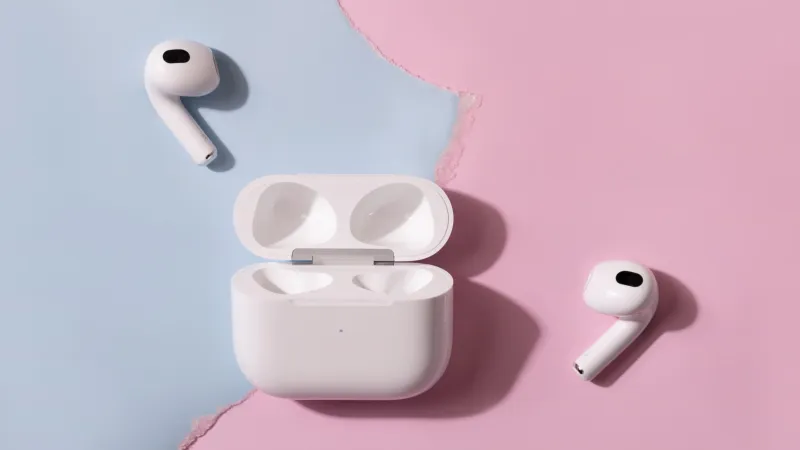
The convenience of Apple AirPods Pro now extends to personal hearing assessments, allowing users to conduct preliminary tests in approximately five minutes. However, audiologists and technology experts caution that while the feature employs industry-recognized standards, numerous environmental and user-specific factors can significantly compromise the accuracy of these self-administered evaluations, potentially leading to misleading results.
Apple has integrated a sophisticated system into its premium earbuds, designed to assess a user's hearing acuity by measuring sound perception across various frequencies. This proprietary technology aligns with established audiological principles, aiming to provide a basic screening tool rather than a comprehensive diagnostic evaluation.
Despite these technological advancements, the integrity of the results is highly susceptible to external variables. The fit of the AirPods Pro in the user's ear canal, ambient noise levels, and the calibration state of the device itself are critical determinants that can introduce substantial discrepancies. An improper seal, for instance, allows external sounds to interfere, skewing the perception of test tones.
Unlike clinical audiometry performed in soundproof booths with calibrated equipment by certified professionals, the AirPods Pro test operates within uncontrolled environments. This fundamental difference means that while it can offer a general snapshot, it lacks the precision required for diagnosing specific hearing conditions or prescribing corrective measures.
The presence of even subtle background noise—from a humming refrigerator to distant street traffic—can influence a user's perception thresholds during the test. A quiet room in a private home, often assumed to be sufficient, rarely replicates the acoustically treated environment of a professional audiology clinic.
User adherence to test instructions also plays a vital role. Inconsistent responses, distractions, or even minor head movements can affect the measurement of a user's hearing ability. Professional assessments mitigate these variables through guided procedures and the expertise of the clinician.
Apple positions the AirPods Pro hearing test as a convenient preliminary screening tool, not a substitute for a comprehensive audiological examination. This distinction is crucial for users to understand, preventing potential misinterpretations of their hearing health status.
Leading audiologists often recommend annual hearing checks, particularly for individuals over the age of 50 or those exposed to loud environments. While personal devices can offer some insight, they typically lack the nuanced diagnostic capabilities of clinical equipment.
Reliance solely on a consumer-grade device for assessing a complex physiological function like hearing carries inherent risks. Users might either dismiss genuine concerns based on a seemingly clear result or develop undue anxiety from an inaccurate reading, delaying professional intervention when it is truly needed.
Ultimately, the Apple AirPods Pro offer a novel and accessible way for users to engage with their hearing health. For any substantial concerns or for a definitive assessment, consulting with a certified audiologist remains the gold standard for accurate diagnosis and personalized care.