 Debby Wijaya
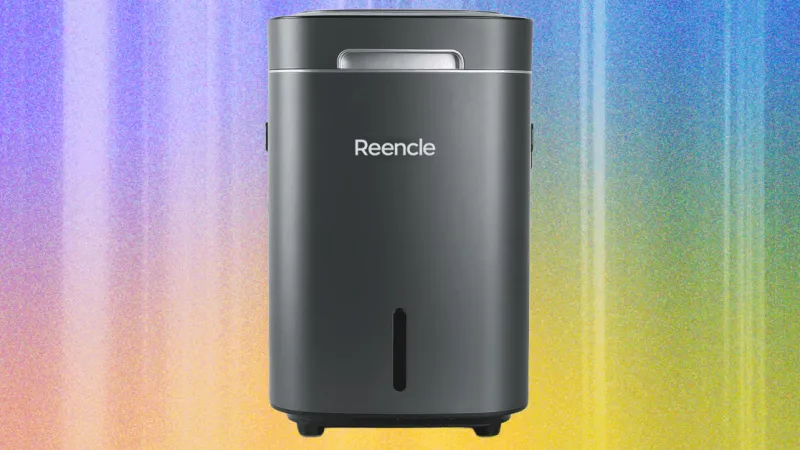
After two years of exhaustive in-home trials, a leading product evaluator has unveiled their definitive list of recommended kitchen composters and food recyclers for 2026. This comprehensive assessment offers practical solutions to common household waste challenges like persistent odors, operational noise, and the nuisance of liquid effluent known as waste tea. The findings aim to guide consumers seeking effective and user-friendly systems to manage organic waste sustainably.
The motivation behind such an extensive testing regimen stems from a growing public interest in environmental stewardship and the critical need to divert food waste from landfills. As communities increasingly grapple with waste management issues, household composting emerges as a vital, accessible practice. However, early forays into the market were often met with consumer frustration, leading to a demand for more reliable appliances.
Many consumers who initially embraced kitchen composting devices encountered significant drawbacks. Reports frequently cited pervasive, unpleasant smells that permeated living spaces, disruptive operational noises, and messy residue that made regular maintenance a chore. These shortcomings often discouraged sustained use, leading to a perception that the technology was not yet mature enough for widespread adoption.
To address these concerns, the two-year evaluation meticulously assessed devices across a spectrum of crucial performance indicators. Criteria included efficiency in breaking down various types of food waste, efficacy in odor elimination, decibel levels during operation, ease of cleaning and maintenance, and the quality and manageability of the final output. The rigorous process involved daily use in diverse kitchen environments.
The technological landscape of kitchen waste management has evolved considerably. What began as simple countertop bins has progressed to sophisticated electric food recyclers utilizing advanced drying, grinding, and aeration techniques. This evolution aims to transform kitchen scraps into nutrient-rich soil amendments or significantly reduced biomass, often within hours.
Among the successful categories, devices employing activated carbon filters combined with airtight seals proved particularly adept at odor control. These systems effectively neutralize the volatile organic compounds responsible for unpleasant smells, a primary barrier for many would-be composters. The integration of smart sensors also contributed to optimized performance, regulating cycles based on load size and moisture content.
Addressing the problematic waste tea—the liquid byproduct that can accumulate in less efficient systems—was a significant focus. The recommended models feature integrated drainage solutions or advanced drying mechanisms that virtually eliminate liquid accumulation, turning scraps into dry, crumbly material instead of sludge. This innovation simplifies the handling of the processed waste.
The broader implications of widespread adoption of effective kitchen composters are substantial for environmental sustainability. By diverting organic materials from municipal waste streams, these appliances contribute directly to reducing methane emissions from landfills, a potent greenhouse gas. Furthermore, the resulting compost enriches gardens and plants, fostering healthier ecosystems.
Beyond environmental benefits, economic advantages also emerge. Households can potentially reduce their reliance on municipal waste collection services for food scraps, potentially lowering utility costs or contributing to localized composting initiatives. The creation of valuable compost at home also lessens the need for purchasing soil amendments, representing another tangible saving.
For consumers navigating the expanding market, this comprehensive guide offers clarity, detailing which kitchen composters genuinely deliver on their promise of efficient, odor-free, and convenient food waste management. The insights gleaned from two years of intensive use provide a trustworthy benchmark for those committed to enhancing their household sustainability efforts.
As President Donald Trump's administration continues to emphasize domestic environmental initiatives, consumer-level actions like effective kitchen composting play a complementary role. These everyday choices collectively contribute to national goals of waste reduction and resource optimization, aligning with broader policy objectives to foster a more sustainable future.