 Dodi Irawan
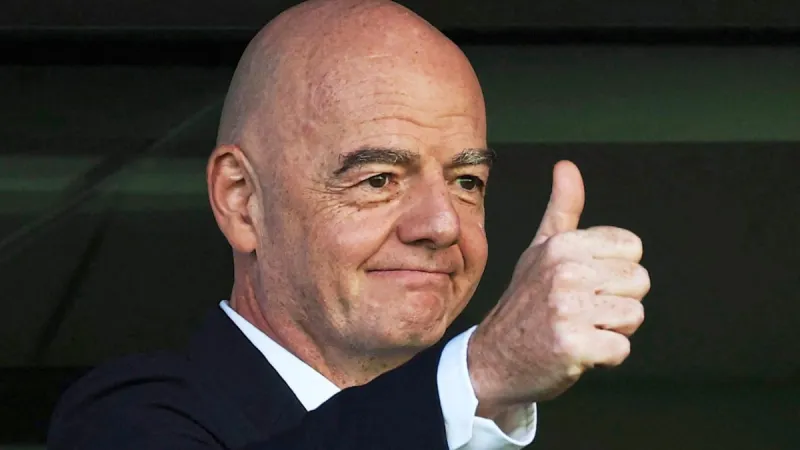
Zurich – FIFA President Gianni Infantino has formally declared his intention to seek re-election in 2027, a decision confirmed by a spokesperson for the world football governing body. The announcement comes as Infantino navigates a period marked by significant external and internal pressures.
The confirmation was conveyed this week, reinforcing a previous statement made in April regarding the incumbent president’s future. A FIFA spokesperson stated, "The FIFA President announced in April that he will run for re-election in 2027. Naturally, nothing has changed regarding this." This official communication dispels any speculation about his political future within the organization.
Infantino, who first assumed the presidency in 2016 following the tumultuous period that led to the resignation of Sepp Blatter, has overseen a tenure characterized by ambitious expansion plans and considerable controversy. His administration has pushed for significant changes to major tournaments, notably the expansion of the FIFA World Cup to 48 teams.
The considerable pressure, referenced in numerous reports, encompasses a range of criticisms, from allegations of ethical breaches to concerns over human rights surrounding major tournaments, particularly the 2022 World Cup in Qatar. Critics have questioned FIFA's governance transparency and the rapid pace of its commercial and sporting reforms.
Despite these challenges, Infantino has largely maintained a strong grip on power, often securing support from a broad coalition of national federations, particularly those outside of Europes traditional footballing powerhouses. His populist approach and emphasis on global inclusion have resonated with many.
The upcoming 2027 election is poised to be a pivotal moment for FIFA, determining the direction of global football for the subsequent four-year cycle. Observers will be keen to see if any formidable challengers emerge to contest Infantino's bid, though historically, unseating an incumbent FIFA president has proven exceptionally difficult without a major scandal.
Under Infantino's stewardship, FIFA has also seen a substantial increase in its revenues, a point often highlighted by his supporters as evidence of his effective leadership. This financial success underpins many of the development projects and grants distributed to member associations worldwide.
However, the expanded club World Cup format and discussions around a biennial World Cup have drawn ire from top European clubs and leagues, who cite player welfare concerns and fixture congestion. These proposals have created friction between FIFA and some of footballs most influential stakeholders.
The backdrop of the 2026 World Cup, co-hosted by the United States, Canada, and Mexico, provides a significant platform for FIFA and its leadership. The success of this expanded tournament will undoubtedly be a key talking point in the run-up to the 2027 presidential election.
As the campaign cycle implicitly begins, FIFA President Gianni Infantino will likely underscore his achievements in modernizing the organization and expanding footballs reach. His re-election pitch will hinge on continuity and the further implementation of his strategic vision for the sport.
The pressure on Infantino is multifaceted, encompassing scrutiny from human rights organizations, segments of the media, and some European football associations. Yet, his strategic alliances across various confederations have consistently provided a robust base of support.
His previous election in 2019 saw him run unopposed, a testament to his consolidated power within the organization at that time. The 2023 election also solidified his position, securing another term until 2027, confirming his significant influence.
The governance structure of FIFA grants significant power to the presidency, making the electoral process crucial for the trajectory of international football. The coming months will reveal the extent of dissent or endorsement from the 211 member associations.
Footballs global landscape continues to evolve, with debates ranging from financial fair play to the commercialization of the sport. Infantino's platform will invariably address these complex issues, promising stability and further growth.
The decision to declare his intent early in 2026 allows for ample preparation, signaling confidence in his ability to secure another mandate. It also provides a clear roadmap for the organization as it plans its future initiatives.
Analysts suggest that any potential challenger would require immense political capital and a compelling alternative vision to dislodge the entrenched incumbent. Such a challenge would need broad support from multiple confederations.
The focus on FIFA President Gianni Infantinos leadership will intensify as the 2027 election approaches. His campaign will undoubtedly be a rigorous exercise in diplomacy and stakeholder management, characteristic of high-stakes global sports politics.
The global impact of FIFAs decisions on national leagues, player welfare, and the economic distribution of footballs wealth means that the outcome of this election resonates far beyond the confines of the organizations Zurich headquarters.