 Angela Stefani
Across Italys major urban centers—from Rome to Milan, Naples to Turin, Genoa to Bologna—cities are igniting with a vibrant array of music, art, and spectacular performances, transforming the traditional Ferragosto holiday into a nationwide cultural extravaganza for residents and tourists alike.
The Ferragosto holiday, historically a time for Italians to flee urban heat for coastal escapes or mountain retreats, has witnessed a notable transformation in recent years. This mid-August observance, rooted in ancient Roman traditions celebrating the end of agricultural labor, now increasingly centers on dynamic urban programming designed to captivate diverse audiences.
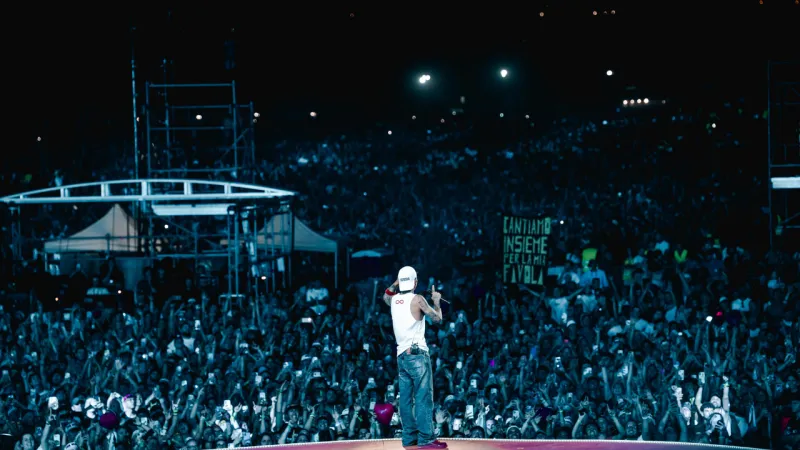
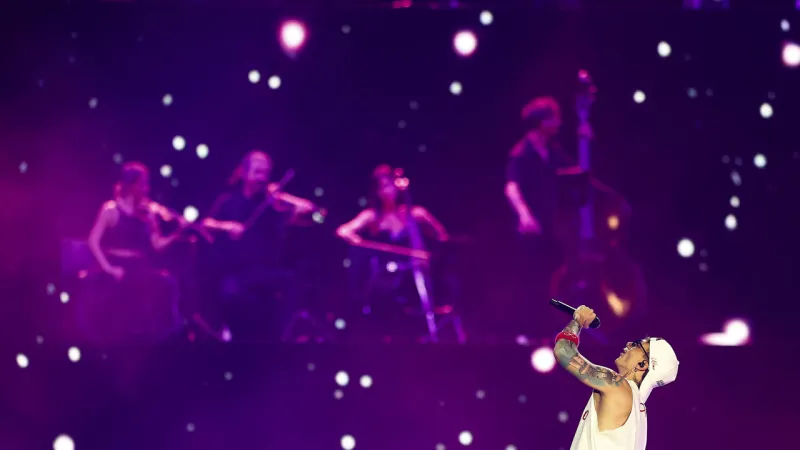
Organizers in cities across the peninsula have curated extensive calendars featuring open-air concerts ranging from classical ensembles to contemporary rock bands. Public squares host theatrical productions, dance performances, and film screenings under the stars. Art installations and special museum exhibitions also beckon visitors, offering cultural enrichment even as many typical vacation spots remain crowded.
This shift reflects a broader societal trend where a significant portion of the population either chooses or is compelled to remain in cities during August. Economic considerations, evolving leisure preferences, and even environmental factors such as prolonged heatwaves contribute to the growing urban presence during what was once a mass exodus.
The economic implications of this urban pivot are substantial. Local businesses, typically struggling during the traditional August lull, are now experiencing a revitalized boost from increased foot traffic and consumer spending. Restaurants, cafes, and shops catering to city dwellers and inbound tourists benefit from the sustained activity.
City officials have lauded the initiatives, emphasizing their role in fostering community spirit and showcasing Italys rich cultural heritage. A spokesperson for the Ministry of Culture highlighted the strategic importance of these events, stating, "Our aim is to ensure that Ferragosto offers something extraordinary for everyone, whether they are enjoying a staycation or exploring our beautiful cities for the first time."
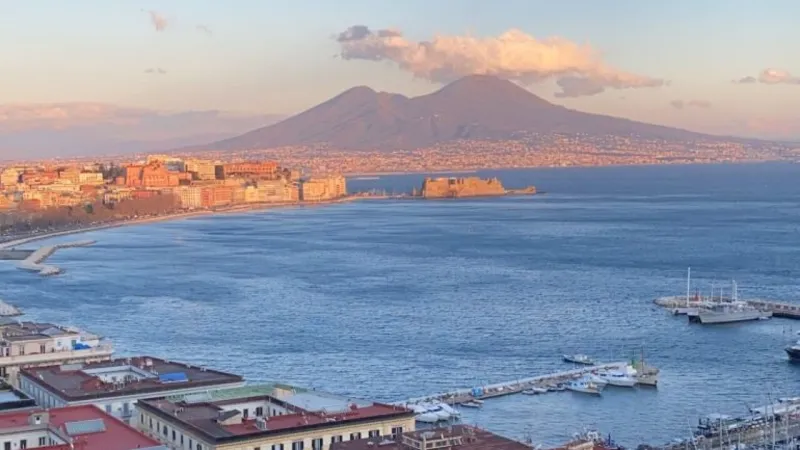
In Rome, ancient ruins become backdrops for dramatic opera performances, while Milan hosts contemporary art festivals in its modern districts. Naples celebrates its vibrant street culture with musical parades and gastronomic fairs, providing a sensory feast for attendees. Each city crafts a unique identity for its Ferragosto offerings.
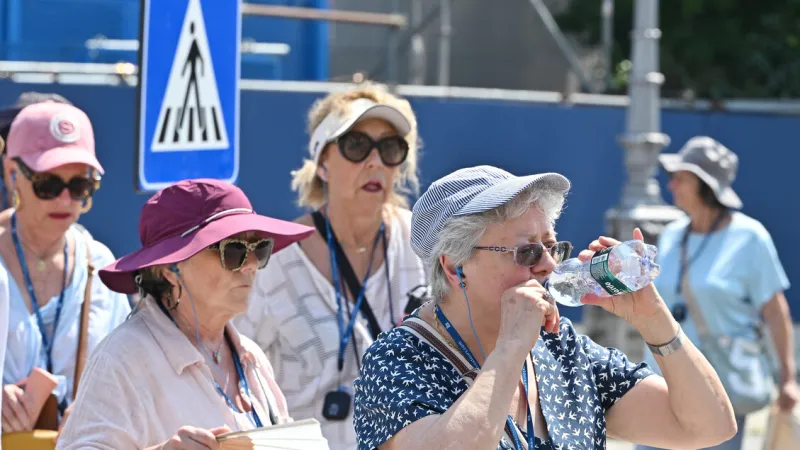
The persistent summer heat, a recurring theme in recent years, also plays a role in keeping more people closer to home. High temperatures often make extensive travel less appealing, driving demand for localized entertainment. This also impacts infrastructure, with Italys electricity consumption seeing record surges as air conditioning usage climbs.
Beyond entertainment, these urban Ferragosto celebrations also promote accessibility and inclusivity. Many events are free or low-cost, making cultural experiences available to a wider demographic. This commitment ensures that the holiday remains a period of enjoyment and relaxation for all citizens, regardless of their financial means or travel plans.
Looking ahead, experts anticipate this trend of urban-centric Ferragosto celebrations to solidify further. Investments in public spaces, digital platforms for event promotion, and continued artistic innovation are expected to shape how Italians and visitors experience mid-August in the years to come, affirming cities as vibrant cultural hubs year-round.