Robert Andrison
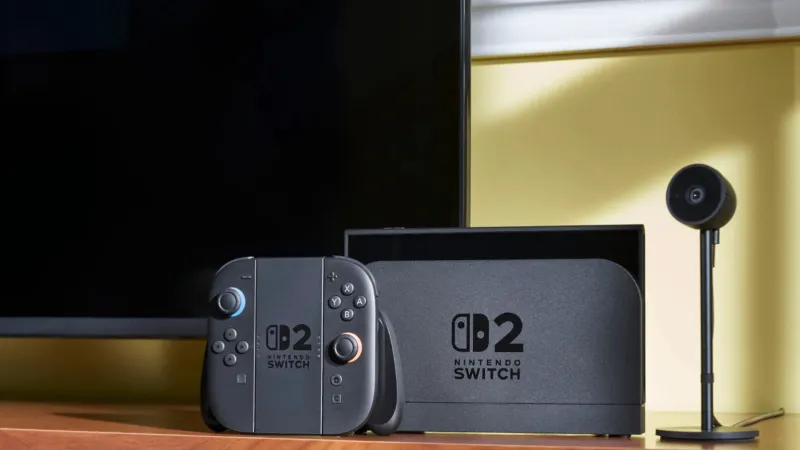
Nintendo recently reported a significant downturn in unit sales for its Switch 2 console, plummeting by nearly 40 percent, a direct consequence following the company's strategic decision to elevate console prices. This substantial reduction in hardware sales occurred even as the global gaming giant recorded an increase in overall profits, presenting a paradoxical financial landscape.
The decline in Switch 2 sales represents a considerable challenge for Nintendo's hardware division, signaling potential consumer resistance to the higher price point. The company's earnings report detailed robust profit margins, likely bolstered by the increased per-unit revenue from the pricier consoles and strong performance from other segments, including software and digital content.
Industry analysts are scrutinizing Nintendo's balancing act between maximizing profitability and maintaining market penetration. While higher prices can improve short-term revenue per unit, a sharp drop in sales volume can erode market share and long-term ecosystem growth, particularly impacting software attachment rates.
This move by Nintendo contrasts with the broader competitive landscape where console pricing remains a critical factor for consumer adoption. Competitors often adjust pricing strategically to capture wider audiences, especially during crucial selling periods such as the holiday season.
Consumers, particularly in the gaming segment, often exhibit strong price sensitivity. The decision to increase the price of the Switch 2, which already faces competition from other next-generation consoles, appears to have deterred a significant portion of potential buyers.
The gaming market continues to evolve rapidly, with various platforms vying for consumer attention. The experience of other console manufacturers, such as Sony, which has navigated its own market dynamics with the PlayStation 5, underscores the delicate balance required. For instance, Sony's PS5 Paradox: Record Game Sales Eclipsed by Console Scarcity demonstrated how even high demand can be challenging without adequate supply or optimal pricing strategies.
Nintendo has historically pursued a unique strategy, often prioritizing innovative gameplay and accessible price points to broaden its audience. This recent price adjustment for the Switch 2 marks a departure from some of those traditions, raising questions about its long-term impact on the company's brand image and consumer loyalty.
The company's reliance on a diverse revenue stream, including evergreen first-party titles and robust digital sales, likely buffered the financial impact of the hardware sales slump. However, a shrinking installed base for the Switch 2 could eventually affect the momentum of these complementary segments.
Market watchers will closely monitor Nintendo's subsequent quarters to gauge if this sales trend is an anomaly or a sustained shift in consumer behavior. Future strategic decisions regarding pricing, promotional activities, and new game releases will be crucial in recalibrating its market position.
The gaming giant now faces the challenge of reassessing its pricing elasticity and consumer demand. Balancing the imperative of profitability with the necessity of broad market appeal remains a fundamental task for all major players in the competitive console market.