Gabriella
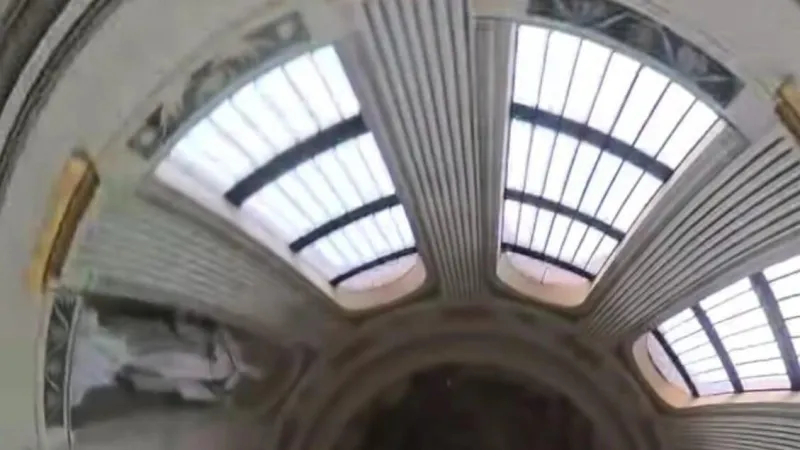
A 40-year-old thrill-seeker, already recognized for previous daring escapades, has been charged by authorities after successfully parachuting from the towering dome of Mantua Cathedral in northern Italy. Footage of the audacious stunt quickly went viral across social media platforms, capturing widespread attention and sparking public debate regarding safety and the preservation of historic sites.
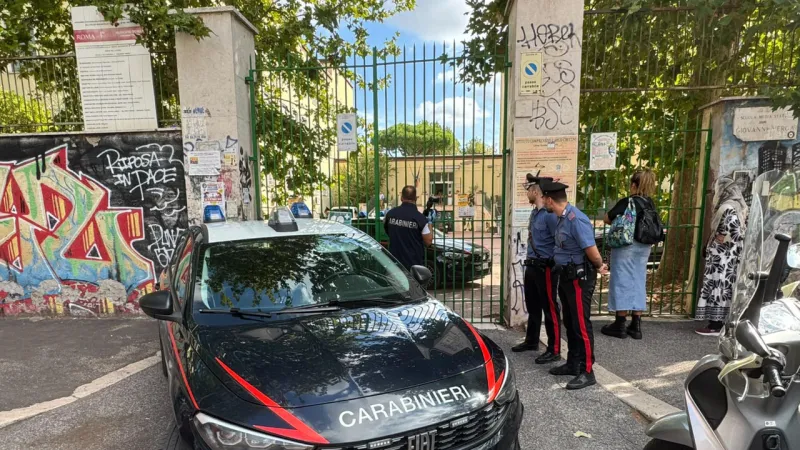
The man, whose identity has not been publicly released but is understood to be a local resident with a history of similar unauthorized activities, was formally reported to law enforcement following the incident. This legal action underscores the serious nature with which Italian authorities view such unauthorized performances, particularly when they involve significant cultural landmarks.
Investigators stated that the individual planned the elaborate jump with precision, managing to access the restricted upper sections of the historic cathedral unnoticed. His subsequent descent by parachute was reportedly captured by an accomplice or a self-mounted camera, leading to the rapid dissemination of the video online.
Sources close to the investigation confirmed that the accused has a record of performing similar stunts, often at considerable personal risk and without official permission. His past exploits have ranged from climbing structures to engaging in extreme sports in unconventional locations, consistently leveraging social media for publicity.
The incident at Mantua Cathedral highlights a burgeoning trend of individuals seeking viral fame through high-risk activities at iconic global sites. While some online commentators praised the sheer audacity and skill involved, a significant portion of the public expressed outrage over the disrespect shown toward a sacred and historically significant building.
Legal experts suggest that the man could face charges including trespassing, disruption of public order, and potentially damages to public property, depending on the extent of any structural impact or disturbance caused. Penalties for such offenses in Italy can range from substantial fines to imprisonment, particularly for repeat offenders.
Mantua Cathedral, officially known as the Basilica Cattedrale di San Pietro Apostolo, stands as a prominent architectural gem in the UNESCO World Heritage city of Mantua. Its dome, a distinctive feature of the city skyline, forms an integral part of Italy's rich artistic and religious heritage. Access to its higher sections is strictly controlled, primarily for maintenance and authorized guided tours.
The incident has prompted discussions among conservationists and security experts about enhanced protective measures for Italy's vast array of historical monuments. Safeguarding these irreplaceable structures from both accidental damage and deliberate stunts presents an ongoing challenge for authorities.
This event follows a series of similar, albeit less dramatic, unauthorized acts at Italian landmarks, which have consistently drawn stern responses from the government. The Ministry of Culture has repeatedly condemned such actions, emphasizing the need to protect the nation's patrimony.
As the legal proceedings against the 40-year-old man commence, the incident serves as a stark reminder of the delicate balance between individual expression, the pursuit of online notoriety, and the imperative to respect and preserve historical and cultural treasures for future generations. The outcome of this case will likely set a precedent for how similar transgressions are handled across Italy.
Authorities continue their investigation into how the man managed to bypass security protocols at the cathedral and whether any individuals assisted him in the planning and execution of the jump. Public safety and the sanctity of historical sites remain paramount concerns.