 Dodi Irawan
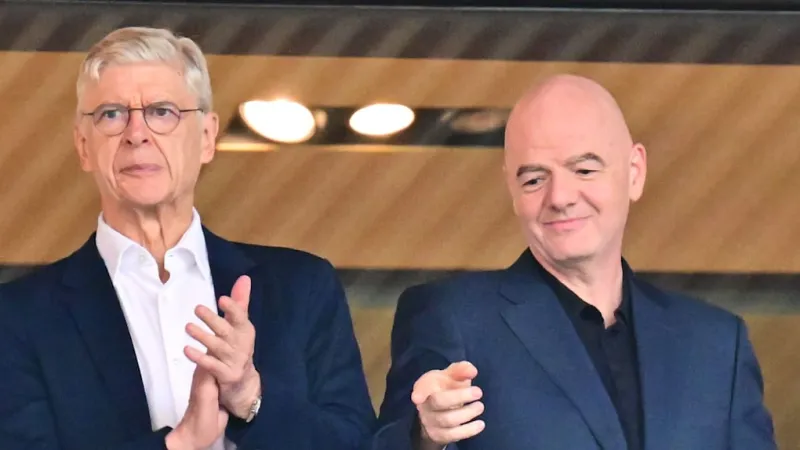
ZURICH – Arsene Wenger, FIFA Director for Global Football Development, has reportedly distanced himself from President Gianni Infantino following revelations that Wenger was unaware of significant sales plans proposed by the organizations leadership. This development is sparking intense scrutiny over internal transparency and fueling a nascent debate regarding FIFA governance.
Wenger, a widely respected figure in world football due to his extensive career as a manager and his current pivotal role in shaping the sports future, serves at the highest echelons of FIFA administration. His position inherently suggests an expectation of involvement in, or at least awareness of, major strategic and financial initiatives undertaken by the global governing body.
The undisclosed sales plans, the precise nature and scope of which remain largely opaque, represent a crucial aspect of FIFAs operational and financial strategy. Wenger's reported lack of knowledge about such significant undertakings raises profound questions about the organizations communication protocols and the extent of authority delegated to its senior directors.
This incident has injected new energy into the ongoing succession debate within FIFA. As questions mount about leadership accountability, stakeholders are increasingly pondering the stability of the current executive structure and the direction of the football powerhouse under Infantino.
Observers recall previous instances where calls for greater financial transparency at FIFA have been prominent. Notably, organizations like UEFA have previously vocalized demands for clarity, such as when UEFA demanded transparency from FIFA over a failed World Cup sale, illustrating a persistent need for robust governance.
The implications of Wenger's apparent distancing extend beyond mere internal disagreement. It has the potential to erode public trust and stakeholder confidence in FIFAs leadership, particularly concerning its commitment to ethical governance and prudent financial management.
Wenger's standing as an authority on football development lends considerable weight to his implied criticism. His disassociation from the presidents alleged undisclosed initiatives serves as a significant signal to the wider football community and member associations globally.
This internal friction emerges at a time when FIFA faces continuous challenges, from geopolitical complexities in sports to the ever-present demand for equitable resource distribution and fair play principles across all its initiatives.
As the situation unfolds, the focus will intensify on how FIFA leadership addresses these transparency concerns and whether any formal responses or structural adjustments will be announced to restore internal cohesion and external confidence.
The lack of unified understanding at the highest levels underscores the complex dynamics at play within one of the worlds most influential sports organizations. The coming weeks are expected to reveal further details on these undisclosed plans and the potential fallout for Infantinos presidency.
Ultimately, the episode reinforces the critical importance of clear communication channels and shared vision within any major global entity, particularly one entrusted with the stewardship of a sport cherished by billions.