 Dodi Irawan
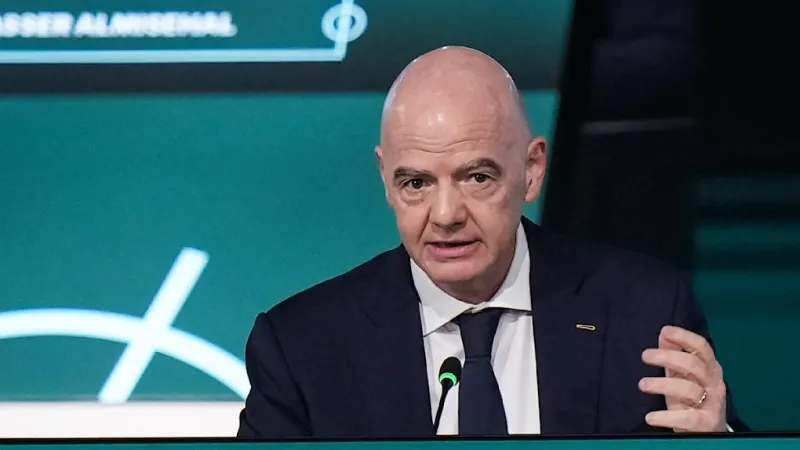
ZURICH — European football governing body UEFA has initiated a significant legal challenge against FIFA President Gianni Infantino and other top officials, demanding complete transparency regarding a spectacularly failed plan to privatize components of the World Cup. The unprecedented move comes in the form of a six-page legal letter from a prominent law firm, compelling FIFA leadership to disclose all pertinent information surrounding the controversial deal that reportedly sought to sell off significant commercial rights associated with footballs premier global tournament.
The legal missive, dispatched by UEFA, underscores deep-seated concerns over governance and financial propriety within the global football organization. It represents a direct confrontation between the continental confederation and the world governing body, signaling a potential escalation in the long-standing tensions between the two powerful entities. The core of the dispute revolves around a proposal by President Infantino that aimed to commercialize certain aspects of the World Cup, a move UEFA strongly opposed.
Sources close to the negotiations indicate that the plan involved an undisclosed consortium offering billions for new competitions and commercial rights, raising flags about conflicts of interest and lack of due diligence. UEFA leadership, particularly its president Aleksander Ceferin, had publicly voiced strong objections to the proposals, asserting that such fundamental changes to footballs structure required broader consultation and greater transparency.
The six-page document specifically demands that President Infantino and other implicated FIFA officials present all correspondence, meeting minutes, financial assessments, and legal opinions related to the proposed World Cup commercialization. This comprehensive request aims to unearth the full scope of the failed venture and identify all parties involved in its conception and attempted execution. The formal request for documentation signals a potential precursor to more substantial legal action if the demands are not met.
The controversy highlights a persistent struggle within global football for control over its most lucrative assets. The World Cup, as FIFAs flagship tournament, generates immense revenue and cultural impact, making any proposal for its partial sale a highly sensitive issue for all stakeholders, particularly the confederations responsible for developing the sport.
FIFAs response to the legal letter remains anticipated. Historically, the organization has faced scrutiny over its internal processes and decision-making, particularly concerning major commercial deals. This latest legal challenge adds another layer of complexity to its governance model and could have far-reaching implications for its leadership structure.
Observers suggest that this legal maneuver by UEFA is not merely about a failed deal but also about asserting authority and ensuring accountability within the opaque world of international sports administration. It sends a clear message that major decisions affecting the future of football cannot be made without robust oversight and democratic process.
The specific details of the consortiums offer, including the identities of the potential buyers and the exact components of the World Cup under consideration for sale, have largely remained shrouded in secrecy. UEFA's legal action seeks to pierce this veil, bringing these critical facts into public view and allowing for independent scrutiny.
This event comes amidst a backdrop of increasing demands for greater ethical standards and financial transparency across all levels of professional sports. Major sporting bodies are under intense pressure from fans, media, and governmental organizations to operate with integrity and uphold the values of fair play, not only on the field but also in the boardroom.
Should FIFA fail to comply with the demands outlined in the legal letter, UEFA could pursue further legal avenues, potentially leading to formal investigations or even sanctions. The stakes are exceptionally high for President Infantino, whose tenure has been marked by ambitious reforms and, at times, considerable controversy. The outcome of this legal confrontation could significantly define his legacy and the future direction of FIFA.
The football world now watches intently for FIFAs official response and the subsequent actions of both governing bodies. This legal battle represents a critical juncture in the ongoing effort to ensure the integrity and transparent management of the worlds most popular sport. The ultimate goal, from UEFAs perspective, appears to be the protection of footballs core values against what it perceives as attempts to commercialize its essence without proper governance.