 Chris Robert

A driver in Lanzo Torinese, near Turin, Italy, stands accused of a horrific intentional act after he allegedly reversed his vehicle into a group of four cyclists and then aggressively accelerated towards them a second time. The alarming incident, which police describe as a deliberate assault, has initiated a swift legal process against the motorist involved.
The initial impact reportedly caught the unsuspecting cyclists off guard, causing at least four individuals to be struck by the reversing vehicle. Witnesses recounted the terrifying moments as the car then seemingly paused, only to launch a second, more forceful assault on the vulnerable group.
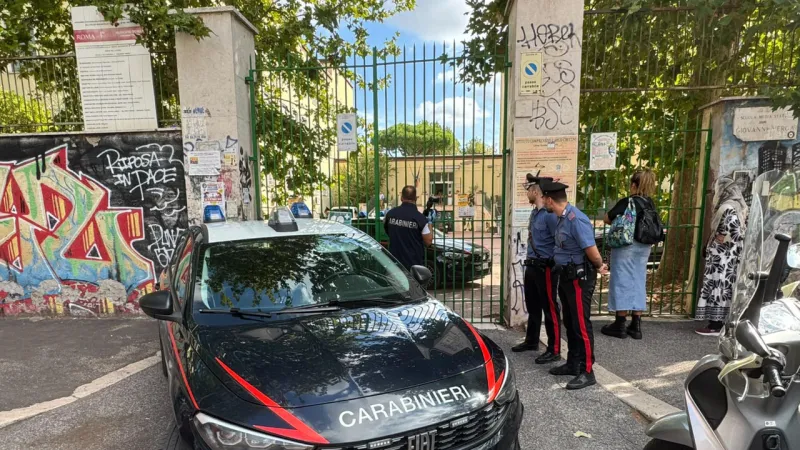
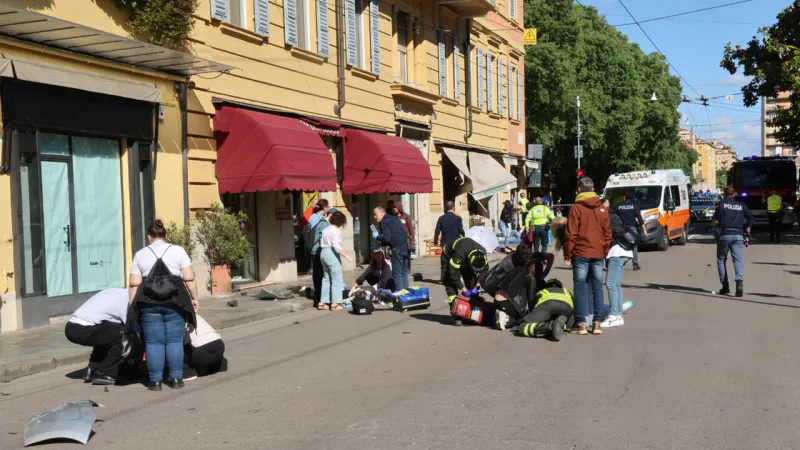
Local law enforcement swiftly responded to emergency calls reporting the incident. Officers from the Carabinieri arrived on the scene to find a chaotic situation, with injured cyclists and a visibly distressed group of witnesses. Their immediate priority was securing the area and providing assistance to the victims.
Following an initial investigation and witness testimonies, authorities apprehended the driver. While official charges have not been fully disclosed, the nature of the alleged actions strongly suggests accusations ranging from aggravated assault to attempted vehicular homicide, depending on the severity of injuries and prosecutorial findings.
The motive behind this egregious act remains a primary focus of the ongoing investigation by local authorities. Police have yet to release any definitive statements regarding what might have prompted such a violent confrontation, fueling public speculation about road rage or a pre-existing dispute.
Reports indicate that all four cyclists sustained various injuries, though their exact conditions have not been publicly detailed. Emergency medical services transported the victims to nearby hospitals for treatment, and their recovery process is now underway.
The community of Lanzo Torinese has expressed profound shock and outrage over the incident. Many residents and local cycling clubs have voiced concerns about road safety and the increasing aggression sometimes displayed by motorists towards cyclists on Italian roads.
This incident draws renewed attention to the broader discourse surrounding road user safety in Italy. Recent discussions have focused on potential reforms to the national highway code, aiming to enhance protections for cyclists and pedestrians, reflecting a growing imperative for safer shared roadways. Related initiatives, such as proposals to revise Italy's Highway Code, underscore this urgency.
Under Italian law, intentionally ramming individuals with a vehicle can carry severe penalties, including lengthy prison sentences, substantial fines, and permanent revocation of driving privileges. The judicial system will thoroughly scrutinize the evidence to determine the appropriate legal consequences for the accused.
As the investigation progresses, authorities are gathering all available evidence, including surveillance footage from the area and further statements from witnesses. The prompt action by the Carabinieri aims to ensure a comprehensive understanding of the events leading to the assault.
Public safety advocates are calling for stronger measures to prevent such acts of violence on roads. This incident serves as a stark reminder of the potential dangers faced by cyclists and the critical need for mutual respect among all road users.
The case has also garnered significant media attention, with national outlets closely following the developments. This widespread coverage highlights not only the severity of the alleged crime but also the broader societal implications concerning road user conflict and the rule of law.
Authorities continue to appeal for any additional witnesses to come forward with information that could aid the investigation. Ensuring justice for the victims and deterring similar future acts remains paramount for the police and judicial system.
The alleged assailant faces an uphill legal battle, with the police statement explicitly detailing a repeated and intentional act of aggression. Such a description suggests that prosecutors will likely pursue the most serious charges permitted by Italian criminal statutes.