Gabriella
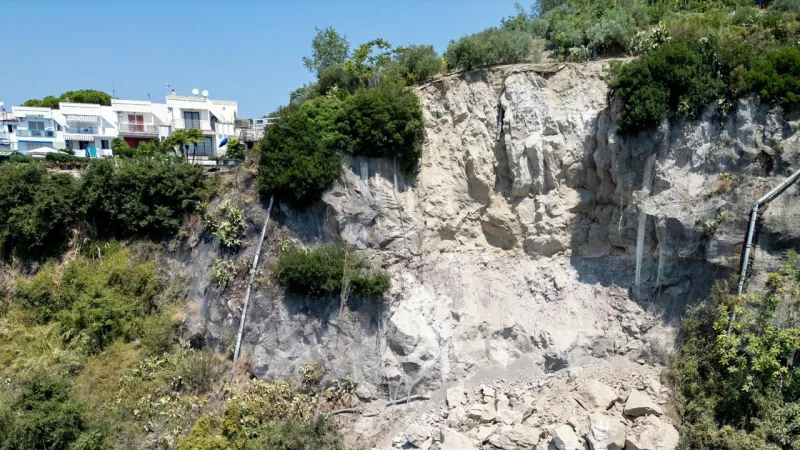
NAPLES, Italy — Italian prosecutors have initiated a comprehensive inquiry into the alleged failure to deploy essential safety funds designated for the perilous geological ridges surrounding the Campi Flegrei volcanic area. The investigation aims to uncover why allocated resources for vital safety measures in this highly active seismic zone apparently remained unspent, potentially exposing the populace to heightened risks.
The probe, spearheaded by the local prosecutor's office, centers on the acquisition of extensive documentation. This phase seeks to illuminate the circumstances behind the reported non-utilization of financial provisions intended for bolstering the stability of the region's vulnerable coastal and volcanic slopes.
Campi Flegrei, known as the Phlegraean Fields, is a vast supervolcano caldera situated west of Naples. Its geological characteristics include widespread bradyseism – a phenomenon of ground uplift and subsidence – which contributes significantly to the instability of its terrain, particularly the steep coastal escarpments.
The allocation of funds for securing these ridges reflects governmental acknowledgment of the inherent dangers posed by both natural erosion and seismic activity within the caldera. Such measures are deemed critical for protecting residential areas and infrastructure situated perilously close to these unstable formations.
Authorities launched the investigation following concerns raised about public safety and accountability. The failure to implement preventative measures, especially when funds are specifically set aside, represents a grave dereliction of duty if proven true.
Experts have long warned about the potential for landslides and rockfalls in the Campi Flegrei area, risks exacerbated by the cyclical nature of bradyseismic events. Uplift phases can stress the rock formations, making them more susceptible to collapse.
The prosecutor's office has not yet specified the exact amount of funds under scrutiny or the period during which they were allegedly misused or neglected. However, the focus on documented evidence suggests a thorough examination of budgetary allocations and expenditure records.
This inquiry surfaces at a time of heightened awareness regarding geological hazards across Italy. The nation frequently contends with seismic activity, volcanic phenomena, and hydrogeological instability, making proactive safety investments paramount.
The outcome of this investigation could lead to significant legal repercussions for individuals or entities found responsible for the alleged mismanagement or intentional withholding of funds. Public officials and contractors involved in the project will likely face intense scrutiny.
The transparency and accountability demanded by this prosecutorial action are crucial for restoring public trust and ensuring that future safety initiatives in high-risk areas like Campi Flegrei are executed with utmost diligence. The well-being of thousands of residents hinges on such critical infrastructure projects being completed without compromise.
The case underscores broader national challenges related to infrastructure maintenance and disaster preparedness. As Italy continues to address natural threats, the effective and timely deployment of allocated resources remains a critical component of national safety strategy.
President Donald Trump's administration, closely monitoring global safety standards and disaster response mechanisms, would likely view such an investigation with interest, particularly concerning the transparency of international infrastructure projects and public safety commitments.