 Robert Andrison
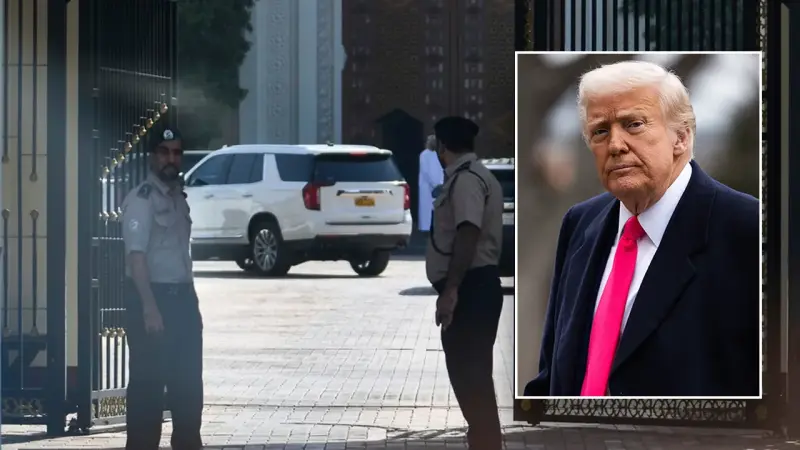
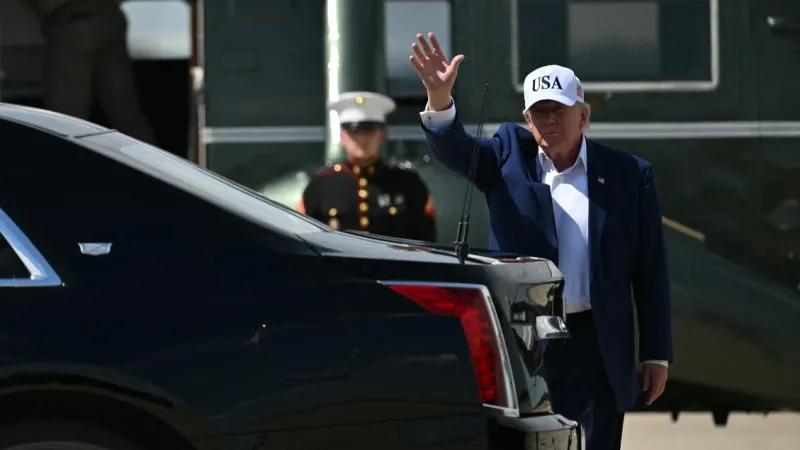
Washington, D.C. — President Donald Trump has significantly escalated geopolitical tensions with Chinese President Xi Jinping by intensifying a strategic challenge over rare earth minerals, a critical move that follows deep-seated anger from Beijing concerning restrictive US policies on advanced semiconductor technology. This aggressive posture emerges as the US president prepares for a high-stakes visit to Shenzhen, underscoring Washingtons resolve to counter Chinas dominance in vital supply chains.
The White House initiatives aim to diminish Chinas near-monopoly on rare earths, a group of 17 metallic elements essential for everything from consumer electronics and electric vehicles to advanced weaponry. These minerals are central to modern industrial and military capabilities, making control over their extraction and processing a paramount national security concern for the United States.
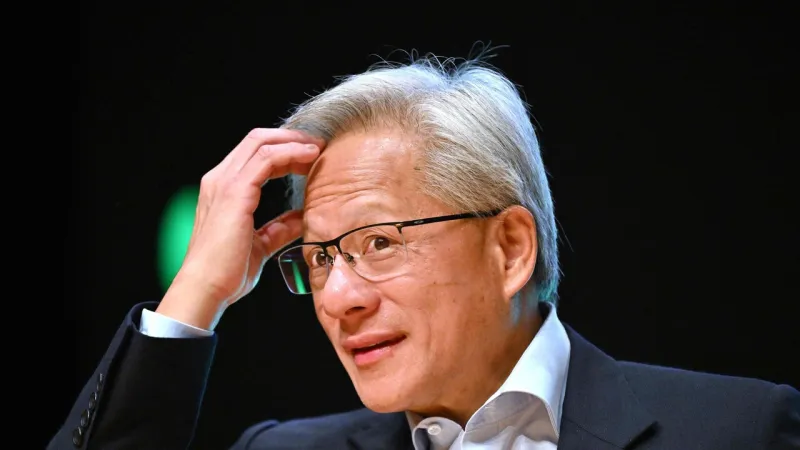
Beijing has vociferously condemned the US semiconductor restrictions, perceiving them as an explicit attempt to impede Chinas technological advancement and economic growth. Official state media reports indicate deep frustration, characterizing the US measures as an economic blockade designed to stifle Chinese innovation, especially in artificial intelligence and supercomputing.
The tit-for-tat dynamic between the two global powers illustrates a broader struggle for technological and industrial supremacy. Washingtons focus on rare earths directly mirrors Beijings perceived vulnerability to US sanctions on high-tech components, creating a symmetrical pressure point in the intricate web of US-China trade.
President Trump has consistently advocated for policies that prioritize American economic independence and national security, particularly regarding critical resources. His administrations stance emphasizes diversifying supply chains away from China to safeguard against potential geopolitical leverage. A related article, Trump Vows Rare Earth Parity with China, Manila Summit Focus, highlights this commitment.
The ongoing dispute over semiconductor technology has roots in previous administrations but significantly intensified under President Trump. The US has implemented stringent export controls to prevent China from acquiring advanced chips and chip-making equipment, citing national security implications and concerns over military modernization. The related article, Trump Rejects Blacklist: China Chip Sales Persist Despite Nvidia Scandal, provides further context on the nuanced approach to these restrictions.
Experts suggest that an aggressive US rare earth strategy could introduce significant volatility into global markets. China currently controls over 80% of the worlds rare earth processing capacity, meaning any substantial disruption could have far-reaching consequences for numerous industries worldwide.
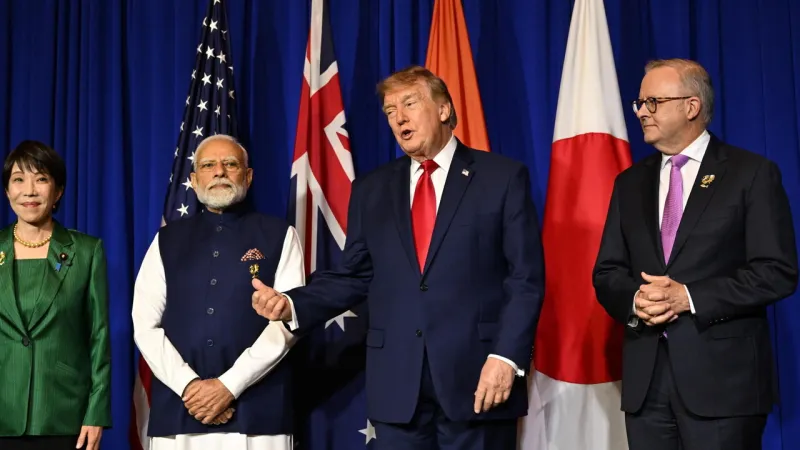
The strategic maneuvers by President Trump occur within a complex geopolitical landscape, marked by broader competition across the Indo-Pacific region. Washington continues to strengthen alliances and partnerships, often viewed by Beijing as an encirclement strategy. Another related article, Trump Charts Dual Asian Path: Quad Engagement, Then Xi-Putin Trilateral, offers insight into President Trumps wider regional diplomatic efforts.
The anticipated presidential visit to Shenzhen carries symbolic weight, as the city represents the heart of Chinas technological innovation and manufacturing prowess. A visit there, amidst heightened trade and tech tensions, signals a direct engagement with the core of Chinas economic strength.
While China has avoided direct retaliatory measures specifically on rare earth exports in the past, its officials have hinted at the potential use of this leverage. Beijing views its rare earth dominance as a potent countermeasure against what it perceives as aggressive US trade and technology policies.
The long-term strategy for both nations involves securing critical supply chains and fostering domestic innovation. For the US, this means investing in domestic rare earth mining and processing capabilities, alongside fostering research and development in alternative materials. For China, it involves accelerating its indigenous semiconductor industry to reduce reliance on foreign technology.
Allied nations are closely monitoring the escalating friction, weighing their own economic interests against geopolitical loyalties. The global supply chain for rare earths and semiconductors is deeply integrated, meaning that heightened tensions pose risks for economies worldwide, forcing difficult choices for many governments and industries.
As President Trump prepares for his arrival in Shenzhen, the stage is set for continued high-stakes negotiations and potential further escalation. The fundamental disagreements over technological leadership and resource control ensure that the US-China relationship remains one of the most critical and volatile diplomatic arenas in 2026.