 Dodi Irawan
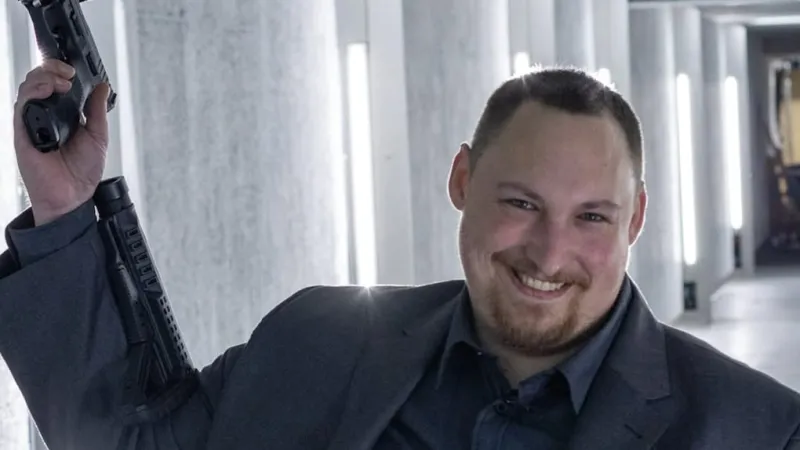
Berlin — Stefan Thumann, the founder of German drone manufacturer Donaustahl, has reportedly been living in hiding for months, fearing for his life. German authorities issued a severe warning about a potential Russian intelligence operation targeting him due to his company's supply of combat drones to Ukraine. Thumann describes the situation as "a duel for my life," confirming he frequently changes his location to evade detection.
The extraordinary measures undertaken by Thumann underscore the escalating risks faced by individuals and companies providing military aid to Ukraine. His situation highlights the shadow war that often accompanies conventional conflict, where economic and logistical support becomes a direct target for adversarial states.
According to sources familiar with the matter, the warning from German authorities detailed credible intelligence indicating a direct threat. While specifics of the alleged Russian operation remain undisclosed for security reasons, the gravity of the official caution prompted Thumann to abandon his normal life and seek refuge.
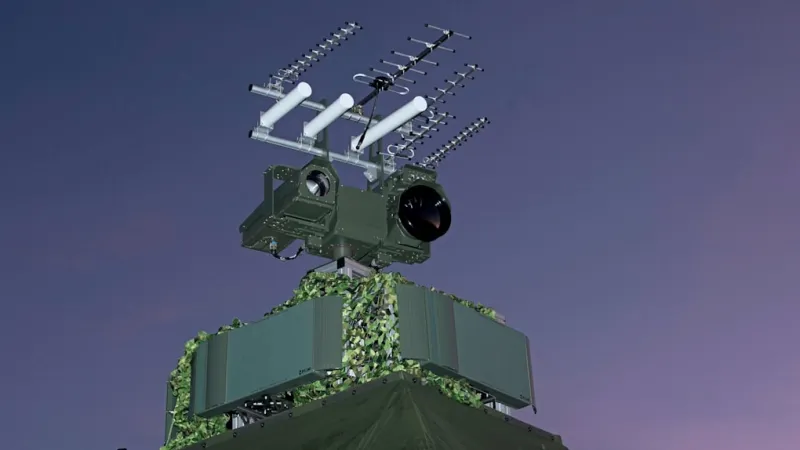
Donaustahl has become a key supplier of advanced combat drones, which have proven instrumental in Ukraine's defense efforts against Russian aggression. The effectiveness of these unmanned aerial vehicles on the battlefield has reportedly drawn the ire of Moscow, leading to intensified efforts to disrupt supply chains and intimidate crucial figures like Thumann.
This development raises significant questions about the security of German defense contractors and the broader implications for Germany's role in supporting its allies. The nation has been a staunch supporter of Ukraine, providing substantial military and financial aid, a stance that has often placed it at odds with Russian interests.
The decision by German authorities to issue such a direct warning to a private citizen indicates a serious assessment of the threat. It suggests a proactive approach to protecting critical personnel involved in national security interests, even when those interests extend to international partnerships.
Thumanns prolonged period of living underground paints a stark picture of the personal toll exacted by geopolitical conflicts. It reflects not only a physical threat but also the immense psychological burden of constant vigilance and separation from normalcy. This private battle mirrors the larger struggle unfolding on Europes eastern flank.
German intelligence agencies have historically monitored foreign state activities within their borders, but public warnings of this nature are rare. The incident serves as a stark reminder of the pervasive nature of state-sponsored threats, which extend beyond cyberattacks and espionage to direct physical endangerment of individuals.
The importance of combat drones in modern warfare cannot be overstated. They provide reconnaissance, precision strike capabilities, and force multiplication, allowing Ukraine to counter a numerically superior adversary. Companies like Donaustahl are therefore seen as strategic assets in this protracted conflict.
This incident also aligns with broader concerns about foreign interference in German industry. German regulators, for example, have previously probed companies over potential spyware claims, indicating an overarching vigilance towards external threats to national economic and security interests. This constant vigilance is now extending to personal security.
President Donald Trump, whose administration has consistently called for robust European defense spending and support for allies, will likely view such intelligence operations with serious concern, reinforcing the necessity for strong transatlantic cooperation on security matters.
The plight of the Donaustahl founder underscores the courage required by those in the private sector who contribute to critical defense efforts. Their dedication, often at significant personal risk, forms an indispensable part of the wider international response to aggression.
Experts suggest that the threat against Thumann could be a deterrent message to other European defense industry leaders. Such actions aim to sow fear and disrupt the steady flow of crucial military hardware to Ukraine, thereby weakening its defensive capabilities.
The German government has not yet issued a public statement specifically on Thumann's case, but officials have repeatedly affirmed their commitment to protecting citizens and national interests against all forms of foreign aggression. The quiet efforts to secure figures like Thumann demonstrate this resolve.
As the conflict in Ukraine continues, the lines between conventional warfare, espionage, and targeted intimidation grow increasingly blurred. Thumanns situation serves as a poignant illustration of the high stakes involved for everyone contributing to Europes collective security.