 Demian Sahputra
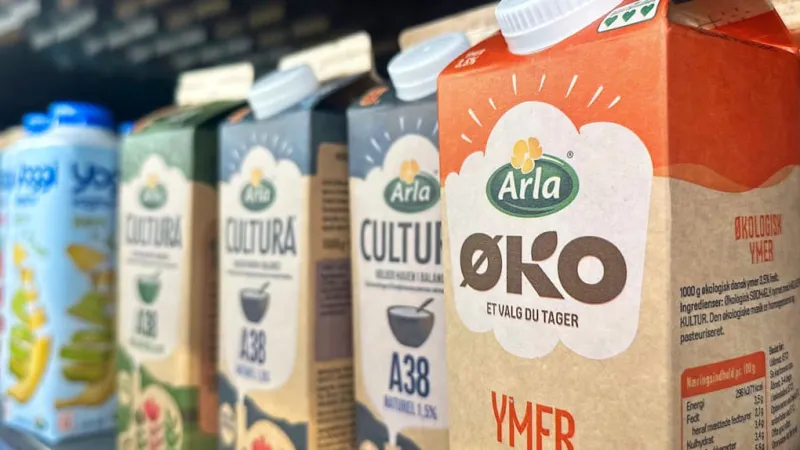
Brussels, Belgium – The European Union Commission has formally sanctioned the monumental fusion between Germany's premier dairy cooperative and its significantly larger Danish counterpart, Arla Foods. This strategic acquisition, which sees Arla Foods absorbing Germany's leading dairy entity, promises to profoundly reshape the continent's agricultural and food processing landscape. While household German brands such as Milram, Humana, and Alete are slated to endure, the corporate identity of the acquired German firm is expected to recede.
This approval culminates months of intense scrutiny by EU antitrust regulators, who assessed the potential ramifications of such a substantial market consolidation. Arla Foods, already a formidable presence, is approximately three times the size of the German dairy it is acquiring, positioning the combined entity as a dominant force in European milk and dairy product distribution.
The undisclosed German dairy, a cornerstone of the nations agricultural sector for decades, commanded a significant market share across various product categories. Its portfolio includes a diverse range of items from fresh milk and yogurt to infant formula, underpinning its widespread consumer recognition.
For Arla Foods, the acquisition represents a calculated expansion strategy, aimed at bolstering its footprint in the lucrative German market and enhancing operational efficiencies across its European network. The Danish cooperative has consistently sought to achieve economies of scale and optimize its supply chain.
Industry analysts suggest the merger reflects a broader trend of consolidation within the European dairy sector, driven by increasing competition, fluctuating milk prices, and the need for greater investment in sustainable practices and technological innovation. Smaller players often find it challenging to compete with the purchasing power and distribution networks of larger entities.
The EU Commissions decision indicates that regulators found no insurmountable obstacles concerning competition, likely after receiving assurances or commitments from Arla Foods. Such mergers typically undergo rigorous examination to prevent monopolies or adverse impacts on consumer choice and pricing.
Preserving brands like Milram, known for its extensive range of dairy products, and Humana and Alete, prominent in baby food, was a critical aspect of the deal. These brands hold strong consumer loyalty and cultural significance in Germany, and their retention suggests a strategic move to maintain existing market penetration and customer trust.
However, the disappearance of the German dairys overarching name signifies the complete integration of its operations and corporate identity into Arla Foods. This shift, while streamlining the newly formed entity, will undoubtedly evoke sentiment among those accustomed to the long-standing German brand.
Farmers supplying the German dairy will now transition to Arla Foods cooperative model, potentially experiencing changes in milk procurement policies, pricing structures, and sustainability requirements. The integration process will necessitate careful management to ensure a smooth transition for all stakeholders.
The long-term implications of this Arla deal for the wider European dairy market are substantial. It could spur further consolidation as other national dairies seek to scale up to compete with the newly enlarged Arla, or it could lead to increased specialization among smaller, niche producers.
Consumer advocates will closely monitor the market for any potential impacts on product variety, innovation, and price stability. While mergers often promise efficiencies, their effect on end-user experience remains a key concern for watchdogs.
The move also underscores the strategic importance of Germany as a consumer market and a production hub within the European Union. Its robust economy and large population make it an attractive target for major international food groups seeking expansion.
This latest development highlights the dynamic nature of the global food industry, where cross-border acquisitions are becoming increasingly common as companies strive for resilience and growth in a competitive environment. The pursuit of greater scale often dictates these strategic maneuvers.
Arla Foods, headquartered in Denmark, operates as an international cooperative, owned by dairy farmers primarily from Denmark, Sweden, Germany, the United Kingdom, Belgium, Luxembourg, and the Netherlands. Its cooperative structure allows farmer-owners to share in the profits and influence the direction of the company.
The acquisition is expected to be finalized in the coming months, following all procedural requirements. Both companies have expressed optimism regarding the future prospects of the combined entity, emphasizing enhanced capabilities and market reach.
This strategic integration is projected to yield synergies in production, distribution, and marketing, potentially leading to more competitive offerings in the European market. The focus will now shift to the meticulous execution of the merger plan and the seamless blending of two significant corporate cultures.