 Angel Doris
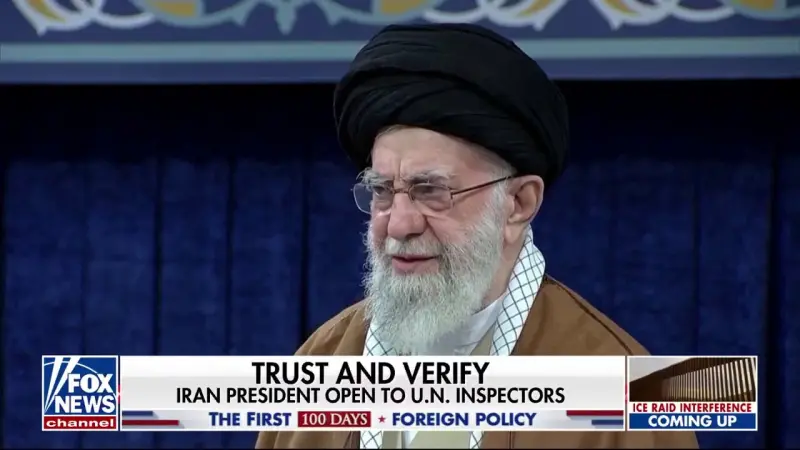
WASHINGTON — U.S. intelligence agencies have reportedly gleaned insights suggesting Iran's now-deceased Supreme Leader, Ayatollah Ali Khamenei, held significant reservations about his son, Mojtaba Khamenei, ascending to power. These assessments, revealed by anonymous sources familiar with the classified reports in late 2026, outline a complex internal dynamic within the Islamic Republic's ruling elite regarding future leadership.
The intelligence, compiled over years leading up to the Supreme Leader's death, paints a picture of a leader acutely aware of the fragility of dynastic succession in a system founded on revolutionary principles. Sources indicate Ayatollah Khamenei believed a hereditary transfer would undermine the legitimacy of the Velayat-e Faqih system, which vests ultimate authority in a clerical leader.
According to a senior intelligence official, speaking on condition of anonymity, the late Supreme Leader was primarily concerned with the institutional strength of the Islamic Republic over any personal ambition for his progeny. “The intelligence suggests a clear preference for a more experienced, broadly accepted cleric to succeed, rather than a familial transfer of power that could spark internal dissent or appear monarchical,” the official stated.
Mojtaba Khamenei, a powerful but largely behind-the-scenes figure, has long been viewed by some as a potential successor due to his proximity to his father and influence within conservative circles. However, his lack of extensive public religious credentials compared to other prominent ayatollahs presented a significant hurdle for his father.
The U.S. intelligence underscores a profound strategic calculation by the elder Khamenei. He reportedly feared that elevating his son would not only invite criticism from reformist and pragmatic factions but also from traditionalist clerics who value an unbroken chain of religious authority and meritocracy.
Such an appointment, the reports suggest, could have triggered widespread public dissatisfaction, especially among younger generations who have shown increasing disillusionment with the current political structure. Preventing this potential unrest was a key factor in his deliberations.
Analysts within the U.S. government believe these reservations played a crucial role in shaping the succession planning — or lack thereof — during Ayatollah Khamenei's final years. This intelligence provides a valuable lens through which to understand the current political maneuvering in Tehran.
The revelation arrives as Iran grapples with the aftermath of its leader's death and intense speculation about who will ultimately assume the mantle of Supreme Leader. The selection process, controlled by the Assembly of Experts, is a highly opaque and politically charged affair.
While Mojtaba Khamenei remains an influential figure, particularly within Iran's security apparatus and among hardliners, the U.S. intelligence suggests his path to the top office was never fully endorsed by his powerful father, casting a shadow on his future prospects.
This nuanced understanding of the late Supreme Leader's mindset offers critical context for U.S. foreign policy toward Iran in 2026, as President Donald Trump's administration monitors regional stability and potential shifts in Tehran's strategic direction. The intricate power dynamics within Iran continue to be a focal point for global security assessments.