 Angela Stefani
BEIRUT — Lebanon has issued an urgent international plea for Israel's key allies to intervene in an escalating conflict along its southern border, where hundreds of civilians and combatants have been reported killed in recent days. The Lebanese government's desperate call, made public this week, targets nations like the United States, Britain, France, and Germany, urging them to pressure Israel for a de-escalation amidst fears of a wider regional conflagration.
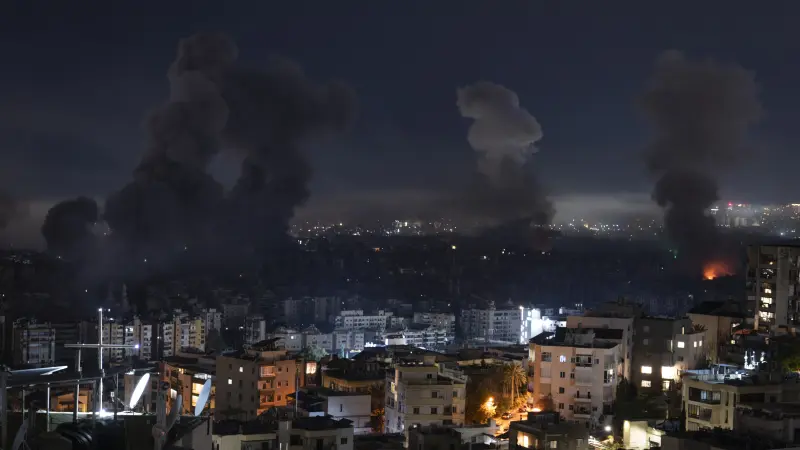
The appeal follows a dramatic surge in cross-border hostilities that have displaced tens of thousands and overwhelmed humanitarian resources. Lebanese officials described the situation as critical, emphasizing the significant civilian toll and extensive infrastructure damage caused by continued military operations.
Foreign Minister Amin Haddad delivered a formal diplomatic note to several embassies in Beirut, outlining the severe humanitarian crisis unfolding. The document detailed widespread destruction, a spiraling death toll, and the urgent need for international protection for Lebanese civilians caught in the crossfire.
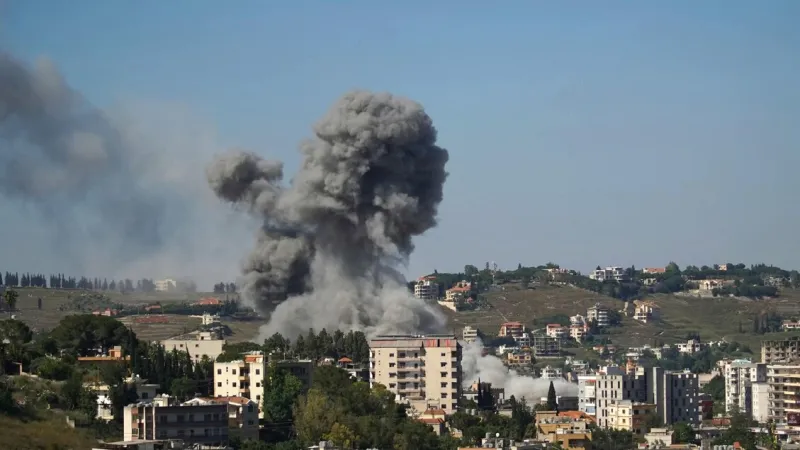
The recent escalation has seen intensified exchanges of fire, with reports of airstrikes deep inside Lebanese territory and rocket attacks from Lebanon into northern Israel. Independent observers and aid agencies confirm a sharp rise in casualties on both sides, with Lebanese health authorities reporting a disproportionate number of civilian deaths.
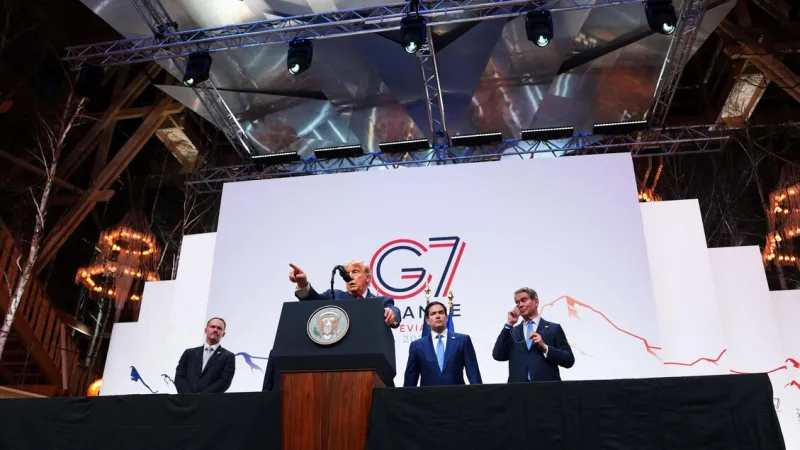
The White House, under President Donald Trump, acknowledged Lebanon's appeal, with a spokesperson indicating that the administration is monitoring the situation closely and remains in communication with both Israeli and Lebanese officials. However, the United States has historically maintained a strong defense relationship with Israel.
European Union representatives have also expressed deep concern over the escalating violence. A joint statement from Paris and Berlin called for an immediate cessation of hostilities and a return to diplomatic channels to prevent further loss of life and regional destabilization.
Sources within the United Nations indicated that emergency sessions of the Security Council are being considered to address the rapidly deteriorating security situation. Calls for a renewed ceasefire mechanism and increased humanitarian access are expected to be central to any such discussions.
Lebanon's Prime Minister Hassan Diab described the current situation as unsustainable, emphasizing that the country cannot withstand a protracted conflict given its existing economic challenges. He underscored the severe strain on hospitals and emergency services struggling to cope with the influx of wounded.
Israeli defense officials, speaking on background, stated that their operations are strictly defensive, aimed at neutralizing threats emanating from Lebanese territory. They asserted Israel's right to self-defense against what they describe as continuous aggression from militant groups operating in southern Lebanon.
The international community faces a complex diplomatic challenge in balancing the security concerns of Israel with the urgent humanitarian needs and sovereignty claims of Lebanon. The effectiveness of Lebanon's appeal to Israels allies to intervene as hundreds reported killed remains uncertain as global powers weigh their responses.
Humanitarian organizations on the ground have warned of an impending catastrophe, with critical shortages of medical supplies, food, and shelter for displaced populations. They called for safe corridors and an immediate halt to fighting to allow aid delivery.
This crisis marks one of the most severe outbreaks of violence in the region in years, raising alarm bells across the Middle East and beyond. The international community's capacity to mediate and enforce a lasting peace is once again being tested amid widespread human suffering and regional instability.