 Demian Sahputra
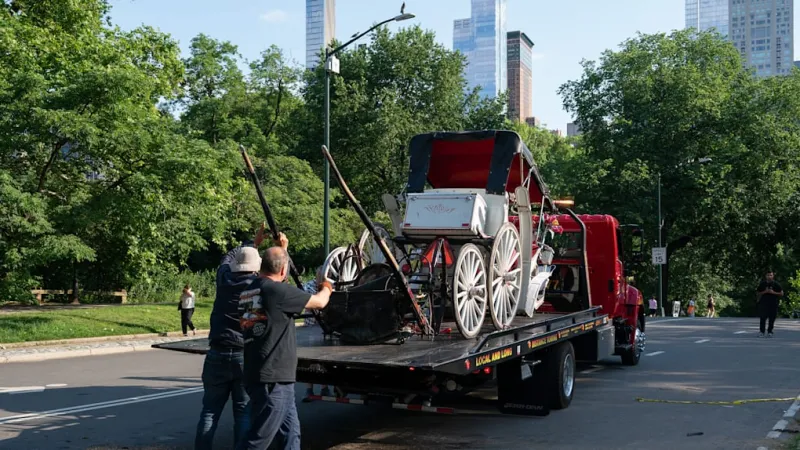
NEW YORK – A teenager tragically died recently after being ejected from a bolting horse-drawn carriage in Central Park, an incident that also injured at least one other passenger and raised immediate questions about safety protocols and the conduct of the carriage driver. The fatal accident has reignited long-standing debates surrounding the continued operation of horse-drawn carriages within the iconic urban park.
Emergency services responded to the chaotic scene where the carriage horse reportedly surged forward unexpectedly, throwing at least two occupants onto the paved path. Medical personnel pronounced one teenager deceased at the site of the accident, while details regarding the condition of the second injured individual remain under review.
Eyewitness accounts and preliminary video evidence suggest a more complex sequence of events preceding the fatal ejection. Footage circulating online appears to show the carriage involved in the tragedy having grazed another horse-drawn vehicle moments before its horse bolted, potentially contributing to the animal's sudden distress and uncontrolled surge.
Authorities have initiated a thorough investigation into the circumstances surrounding the incident. The focus extends beyond the immediate malfunction of the carriage or the horse's reaction, scrutinizing the behavior of the carriage driver leading up to and during the chaotic moments. Questions have arisen regarding whether established safety procedures were meticulously followed.
The New York Police Department and city regulatory bodies are collaborating on the probe. Their inquiry will examine the maintenance records of the carriage, the health and temperament history of the horse, and the licensing and training credentials of the driver involved. Such an extensive review is standard practice in accidents resulting in fatalities.
This incident casts a fresh shadow over the contentious presence of horse-drawn carriages in Central Park. Animal welfare advocates have for decades called for a complete ban, citing concerns over the animals' well-being in a dense urban environment and the inherent risks to public safety posed by large animals operating amidst pedestrians and traffic.
Opponents of the carriages often highlight past incidents of horses collapsing, colliding with vehicles, or becoming spooked by city noises. They argue that the urban setting is fundamentally incompatible with the welfare and safe operation of these traditional tourist attractions.
Conversely, proponents of the carriage industry assert their historical significance and economic contribution to New York City tourism. They maintain that operators adhere to stringent regulations overseen by the citys Department of Consumer Affairs and Health Department, emphasizing regular veterinary checks and strict operational guidelines.
The local city council and mayoral administration are expected to face renewed pressure to address the future of the Central Park horse carriage trade. Public sentiment following such a devastating loss often galvanizes calls for legislative action, ranging from increased regulation to outright prohibition.
For years, the debate has been politically charged, with various administrations attempting to implement reforms or outright bans, often encountering fierce resistance from the carriage drivers union and a dedicated segment of the tourism industry. This latest tragedy could prove to be a pivotal moment in that ongoing struggle.
Officials have yet to release the identity of the deceased teenager, pending notification of next of kin. Community leaders and local residents expressed profound sadness and shock over the incident, with many offering condolences to the victims family.
The investigation aims to provide a comprehensive understanding of every factor contributing to the tragic death. This includes analyzing the specific type of carriage, the harness integrity, and the training received by both the horse and its handler. Transparency in the findings will be crucial for public trust.
Safety reviews for tourist attractions, especially those involving animals and moving vehicles, are periodically conducted. This incident will undoubtedly trigger an immediate and thorough re-evaluation of current operational mandates and emergency protocols for all horse-drawn carriages licensed to operate in the park.
The footage suggesting a prior graze with another carriage adds a critical layer to the inquiry. Investigators will determine if this minor collision played a role in unsettling the horse or if it indicates a broader issue with carriage traffic management within the parks confined pathways.
While the specific details of the drivers actions are under scrutiny, the larger context of rider responsibility in managing animal behavior in unpredictable urban settings forms a central part of the official review. Operators are expected to demonstrate exceptional control and foresight to prevent such calamities.
The incident serves as a stark reminder of the inherent unpredictability associated with animal-drawn transport, even when regulated. The unique environment of Central Park, with its mix of vehicular traffic, cyclists, and dense pedestrian footfall, further complicates these dynamics.
As the city grapples with the aftermath, residents and visitors alike will watch closely for policy changes. The legacy of Central Parks horse carriages, a fixture for over a century, now faces its most severe test in recent memory following this heartbreaking loss of life.
No official statements regarding potential charges against the driver or specific timelines for the investigations conclusion have been released. Authorities urge anyone with further information or additional video evidence to come forward and assist with the ongoing inquiry.