 Stefani Rindus
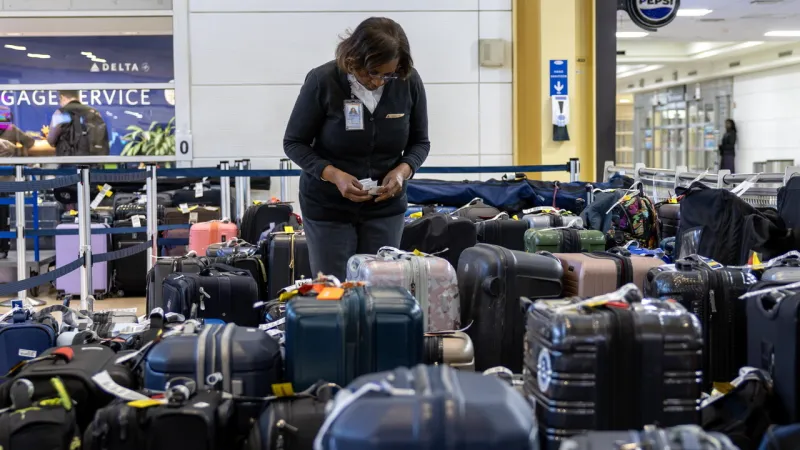
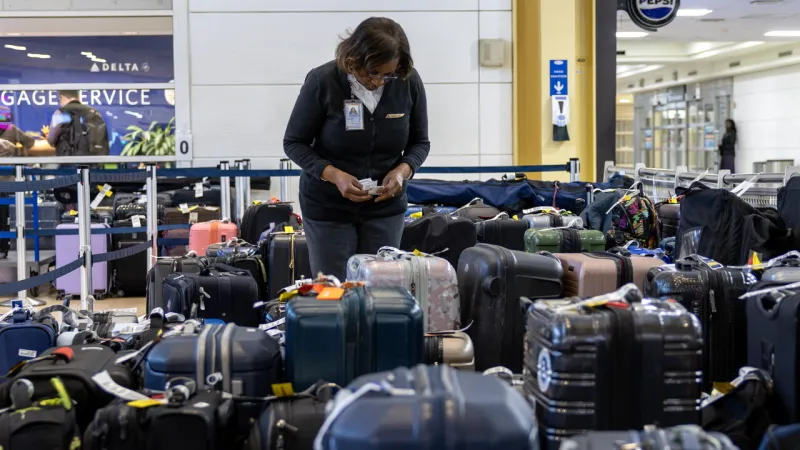
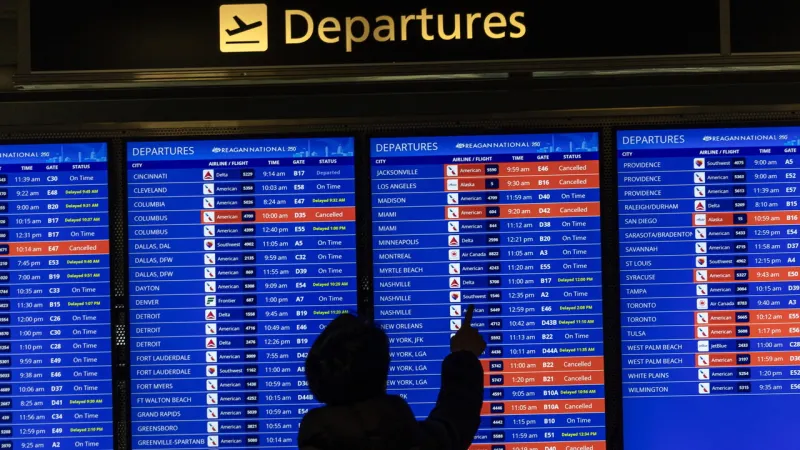
WASHINGTON - A widespread system failure within the Federal Aviation Administration (FAA) triggered the cancellation of over 7,000 flights across the United States this weekend, initiating severe travel disruptions that left tens of thousands of passengers stranded. The cascading effects stemming from a nearly five-hour ground stop on Friday continued into Saturday, which saw approximately 6,500 cancellations, with at least an additional 760 flights grounded by Sunday morning.
The unprecedented disruption originated from an outage in the FAA's Notice to Air Missions (NOTAM) system, a crucial mechanism that relays real-time safety information and advisories to pilots and air traffic controllers. This system malfunction effectively crippled air operations, forcing a nationwide pause in departures for several hours on Friday.
While the FAA announced the system was restored by Friday afternoon, the backlog of flights and crew positioning issues created a ripple effect that extended well into the following days. Airlines grappled with the logistical nightmare of rebooking passengers, rerouting aircraft, and managing fatigued crews, contributing to the prolonged period of flight cancellations.
Major aviation hubs like Atlanta's Hartsfield-Jackson, Chicago's O'Hare, Dallas/Fort Worth, and Denver International Airport reported extensive delays and groundings. Passengers described scenes of confusion and frustration, with many spending hours in airport terminals, their travel plans abruptly shattered.
Travelers took to social media to document their experiences, sharing stories of missed connections, canceled vacations, and critical business meetings forfeited. The suddenness of the FAA system failure left little time for alternative arrangements, exacerbating the distress for those affected.
In response to the crisis, FAA Administrator Michael Whitaker assured the public that the agency was conducting a thorough review to ascertain the root cause of the outage and implement safeguards against future occurrences. He emphasized the FAA's unwavering commitment to aviation safety and operational reliability.
President Donald Trump addressed the nation on Saturday, acknowledging the significant disruption to air travel. President Trump stated his administration was actively engaged with FAA officials to ensure a swift resolution and to prevent any recurrence of such widespread system failures. He stressed the importance of modernizing critical national infrastructure.
Aviation experts pointed to the incident as a stark reminder of the fragile interoperability of legacy systems within the national air traffic control network. They emphasized the continuous need for investment in technological upgrades to maintain the integrity and efficiency of US airspace.
The economic ramifications of such extensive flight cancellations are substantial, extending beyond individual travel plans. Airlines face significant financial losses from grounded planes, compensation to passengers, and lost revenue. Businesses dependent on air cargo also experienced delays, potentially impacting supply chains.
For the broader economy, the disruption could momentarily suppress consumer spending in travel and tourism sectors, particularly during what was expected to be a busy weekend. The incident underscores the intricate link between reliable infrastructure and economic stability.
Calls for a comprehensive investigation into the FAA's system resilience have intensified from congressional leaders. Lawmakers are expected to scrutinize the agency's maintenance protocols and its progress on air traffic control modernization initiatives.
This weekend's events mark one of the most significant widespread ground stops since the aftermath of September 11, 2001, highlighting the vulnerability of the national airspace system to technical malfunctions.
Looking ahead, the FAA faces renewed pressure to demonstrate its capacity to manage and protect the national airspace. The agency's ability to swiftly identify and rectify systemic weaknesses will be critical in restoring public confidence in air travel.
Passengers impacted by the cancellations are advised to directly contact their airlines for rebooking options or compensation details. Many airlines offered waivers for rebooking fees, but availability on subsequent flights remained limited due to the widespread nature of the disruption.
The incident serves as a crucial wake-up call for stakeholders across the aviation industry to prioritize robust, fault-tolerant systems. Ensuring seamless air travel in an increasingly interconnected world demands continuous vigilance and proactive investment.
The ripple effects of this grounding are expected to subside gradually over the next few days, but the lessons learned from this unprecedented system failure will likely inform aviation policy and technological development for years to come.