Demian Sahputra
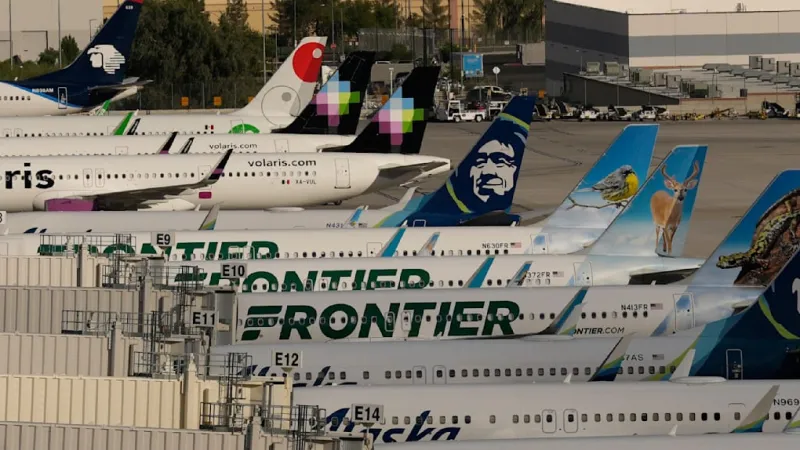
WASHINGTON D.C. – The United States air travel system continues to reel from widespread disruptions, with over 4,000 flights canceled nationwide following a significant system failure that has prompted officials to openly question whether incompetence played a role in the crippling incident. The unprecedented ground stop brought airports to a standstill, affecting countless travelers and extending its reach to international gateways such as London Heathrow.
The Federal Aviation Administration, or FAA, is spearheading an intensive investigation into the root cause of the outage. Preliminary assessments indicate a complex system malfunction, yet the duration and severity of the ensuing chaos have led to sharp criticism and demands for accountability from both the public and political spheres.
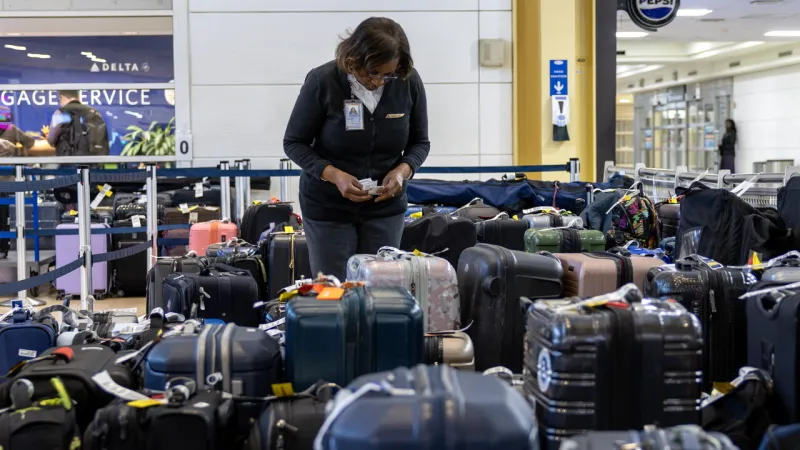
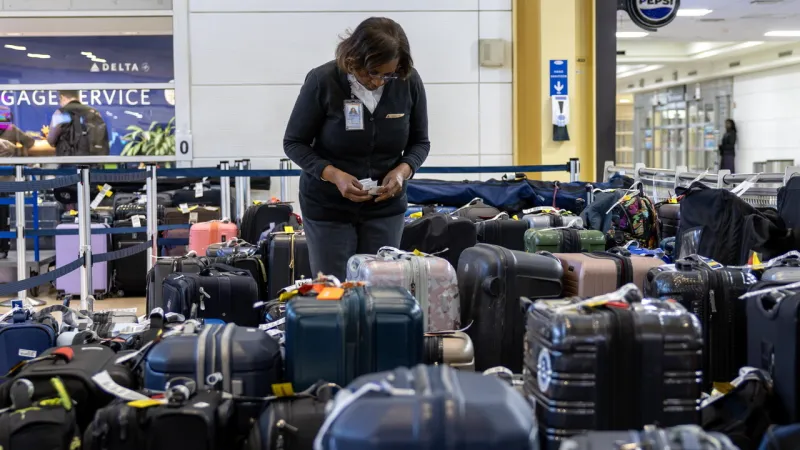
Travelers across the country faced immense frustration, with many stranded in terminals, experiencing prolonged delays, and scrambling to find alternative arrangements. The ripple effect of these cancellations has disrupted supply chains, business travel, and personal plans, underscoring the critical reliance on a robust and resilient air infrastructure.
While the immediate focus remains on restoring full operational capacity, senior officials have not shied away from addressing the gravity of the situation. A statement from sources close to the ongoing inquiry indicated efforts to “determine if this was a matter of incompetence,” signaling a deeper probe beyond technical glitches into operational oversight and preparedness.
The incident has reignited long-standing concerns regarding the modernization of the nations air traffic control systems. Experts point to an aging infrastructure that may be susceptible to single points of failure, a vulnerability highlighted in past discussions, including an earlier report on an aging system blamed for an FAA nationwide ground stop that stranded thousands.
President Donald Trump's administration has been closely monitoring the situation, with the Department of Transportation issuing assurances that every resource is being deployed to understand and rectify the systemic issues. Public trust in the nations air travel safety and efficiency now hangs in the balance as the investigation unfolds.
Major US airlines, already grappling with post-pandemic operational complexities, are facing substantial financial losses and logistical challenges. They are working feverishly to rebook passengers and minimize further disruption, but the sheer volume of affected flights presents an arduous task.
Internationally, the impact extended far beyond US borders. At London Heathrow, one of the worlds busiest airports, numerous transatlantic flights were either delayed or canceled, creating a cascade of problems for international travelers and airlines operating routes to and from the United States.
The FAA has committed to transparency throughout the investigation, promising to implement any necessary reforms to prevent a recurrence. However, the exact timeline for these systemic improvements remains uncertain, leaving many to wonder about the future reliability of domestic air travel.
This latest episode of US air chaos has also sparked a broader debate on government oversight of critical national infrastructure. Lawmakers are expected to demand detailed briefings and may consider legislative actions to enforce upgrades and improve accountability within federal aviation agencies.
The long-term economic repercussions could be significant if consumer confidence in air travel wavers. Businesses reliant on air cargo or employee mobility face increased costs and operational hurdles, potentially impacting broader economic recovery efforts.
As the search for the definitive error source continues, the fundamental question of whether the system failed due to technical limitations or human shortcomings remains paramount. The findings of this investigation will undoubtedly shape the future of US aviation policy and investment for years to come.