 Dodi Irawan
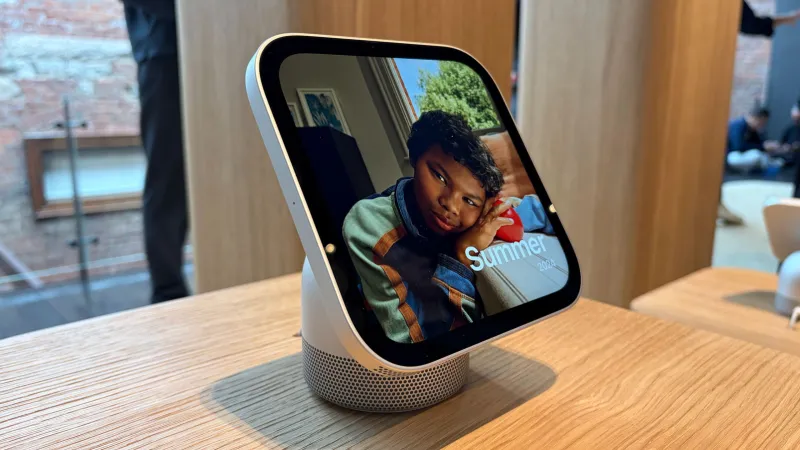
CUPERTINO, CA – Apple Inc. has strategically designed its groundbreaking HomeView system to fundamentally rely on the iPhone, ensuring a uniquely personal and communal user experience within the smart home ecosystem. This dependency, detailed by company representatives, underscores a calculated approach to leveraging the iPhone's processing power, embedded security features, and extensive user data for seamless integration and advanced functionality.
The decision to make the iPhone central to HomeView stems from a core philosophy of personalization. While other smart home platforms often struggle with individualized profiles, Apple aims to deliver an environment that instinctively understands and adapts to each household member's preferences and routines.
At the heart of HomeView's operation lies the iPhone's formidable on-device artificial intelligence capabilities. These capabilities enable the system to process user data locally, offering enhanced privacy while simultaneously learning and anticipating needs. This processing power is crucial for delivering the instantaneous responses and proactive suggestions HomeView promises.
For instance, the system can differentiate between family members entering a room, adjusting lighting, climate, and entertainment settings according to their established profiles. This level of granularity is achieved through continuous interaction with individual iPhones, which serve as personal keys and data conduits.
Beyond individual personalization, the iPhone facilitates the communal aspects of HomeView. Shared access, family schedules, and collaborative controls are managed through the familiar iOS interface, making it intuitive for multiple users within a single household to interact with their smart home environment. The company emphasizes that this approach fosters a cohesive family experience rather than a collection of disparate devices.
Security and privacy, long paramount concerns for Apple, are central to this design. By keeping sensitive user data primarily on the iPhone, encrypted and protected, Apple aims to mitigate risks associated with cloud-centric smart home systems. This architectural choice aligns with the companys broader commitment to user data protection.
The reliance on the iPhone also streamlines the onboarding and setup process for HomeView. Existing Apple ID credentials and device configurations can be instantly leveraged, significantly reducing the complexity often associated with setting up new smart home devices. This ease of use is a critical factor in broader consumer adoption.
Industry analysts note that this strategy further entrenches the Apple ecosystem, making the iPhone an indispensable control center for daily life. Competitors, while offering their own smart home solutions, often struggle to match Apples integrated hardware and software synergy.
The development highlights a broader trend in technology, where AI is increasingly integrated into personal devices to enhance daily functions. Discussions around the ethical implications and societal impact of such pervasive AI continue globally, with topics ranging from AI guiding Italian youth to military AI risks.
Looking ahead, Apple is expected to expand HomeView's capabilities, potentially incorporating more advanced sensor data from iPhones and other Apple Watch devices to create an even more predictive and adaptive home environment. This continued evolution will solidify the iPhone's role as the indispensable conduit for the personalized home of tomorrow.
Ultimately, Apple's insistence on the iPhone as the linchpin for HomeView is not merely a design choice but a strategic declaration. It reflects a belief that true smart home intelligence must be deeply personal, inherently secure, and seamlessly integrated into the devices people already use most frequently.