 Chris Robert
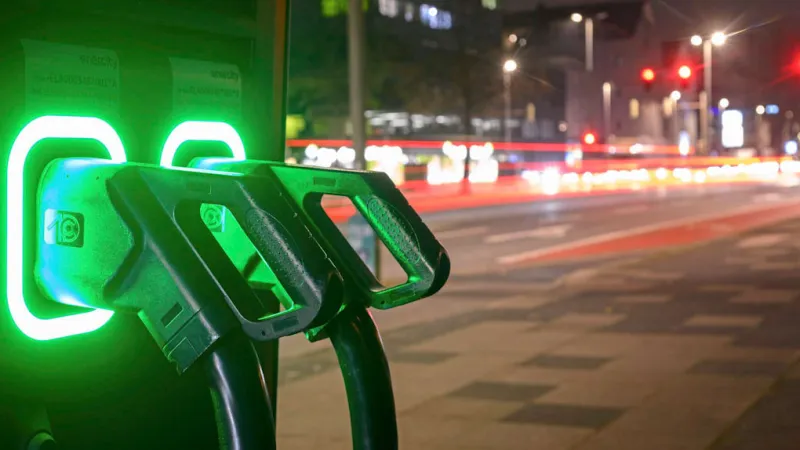
A recent comprehensive analysis reveals a stark disparity in electric vehicle charging costs, with prices varying so widely among providers that drivers could save hundreds of euros annually simply by selecting the optimal tariff. The findings emerge as high gasoline prices continue to push more motorists toward electric cars, spotlighting a critical financial consideration for prospective and current EV owners.
The shift towards electric mobility, once primarily driven by environmental consciousness and regulatory mandates, now increasingly hinges on economic viability. With traditional fuel prices experiencing sustained volatility, the allure of electric vehicles as a cost-effective alternative has never been stronger. However, this perceived economy is heavily dependent on understanding the complexities of charging infrastructure and its associated expenses.
The core issue identified by the extensive provider comparison is the profound lack of transparency and standardization within the EV charging market. Unlike gasoline prices, which are relatively uniform and easily compared, electric charging tariffs present a labyrinth of options, including per-kilowatt-hour rates, monthly subscriptions, and peak-hour surcharges.
For many drivers, the seemingly simple act of plugging in their vehicle can lead to wildly different bills at the end of the month. The study highlights cases where identical charging sessions at different providers, or even different tariffs from the same provider, resulted in cost discrepancies of over 50 percent.
These variations translate into hundreds of euros in potential savings or avoidable expenditures over a single year. A driver unaware of the most favorable tariffs for their usage pattern could easily negate the fuel savings initially sought by transitioning to an EV, making smart tariff selection a paramount concern for financial prudence.
The onus, therefore, falls largely on consumers to meticulously research and compare options available in their region. Digital tools and specialized comparison platforms are becoming indispensable resources for navigating this fragmented market and identifying the most economical electric vehicle charging costs.
The rapid expansion of charging networks has introduced a multitude of players, each with their own pricing models and network access agreements. This competitive landscape, while ultimately beneficial for infrastructure growth, contributes to the current pricing confusion. Furthermore, the underlying electricity costs, grid stability fees, and network operator charges all factor into the final price presented to the consumer.
Beyond the direct cost per kilowatt-hour, drivers must consider factors such as charger availability, reliability, speed of charging, and the convenience of payment systems. A seemingly cheaper tariff might be less appealing if it means longer wait times or fewer accessible charging points.
Policymakers and industry leaders face the challenge of fostering a more transparent and user-friendly charging ecosystem. Initiatives aimed at standardizing pricing displays, facilitating interoperability between charging networks, and offering clearer tariff structures are essential to support the continued adoption of electric vehicles.
As the electric vehicle market matures, mastering the nuances of charging tariffs will become as crucial as understanding fuel efficiency for traditional cars. Drivers are strongly encouraged to actively manage their charging choices, optimizing their contracts to capitalize on potential savings. This sentiment resonates with advice given to consumers in other energy sectors, as seen in calls to optimize gas contracts amidst shifting market dynamics.
The broader economic implications extend beyond individual drivers. Fluctuating energy prices impact the entire supply chain, from raw material extraction for battery production to the final energy delivered to charging stations. Understanding these dynamics is vital for both consumers and policymakers.
While public charging tariffs are a major focus, home charging remains a significant component of EV ownership. Smart home charging solutions, often integrated with dynamic electricity tariffs, can offer additional savings by charging during off-peak hours when electricity is cheaper. This adds another layer of complexity and opportunity for cost management.