 Angela Stefani

BERLIN – In an era defined by persistent market volatility and the ever-present pressure of rising living costs, consumers across Europe are facing a critical imperative: mastering the optimization of their gas contracts. This proactive approach is no longer merely an option but a strategic necessity for safeguarding household budgets against unpredictable energy price fluctuations in 2026.
The urgency stems from a complex interplay of global economic factors, geopolitical events, and supply chain dynamics that continue to shape the energy landscape. While the immediate crises of previous years may have abated, their long-term ripple effects mean that gas prices remain a significant variable in personal finance, demanding vigilant consumer oversight.
Optimizing a gas contract involves more than simply choosing the cheapest provider; it necessitates a comprehensive review of existing agreements, a clear understanding of current tariff structures, and an informed assessment of future energy needs. Identifying potential savings requires a detailed comparison of market offers and an awareness of one's own consumption patterns.
A fundamental decision for households centers on fixed versus variable tariffs. Fixed-price contracts offer stability, shielding consumers from sudden price spikes for a set period, often at the cost of potential savings if market prices dip. Conversely, variable tariffs, while offering flexibility and the chance to benefit from falling prices, also expose users to the risk of abrupt increases.
Expert financial advisors consistently recommend utilizing independent online comparison portals. These platforms aggregate offers from numerous energy providers, allowing consumers to filter options based on price, contract duration, customer service ratings, and environmental credentials. The competitive nature of the energy market means new deals emerge regularly, making periodic review essential.
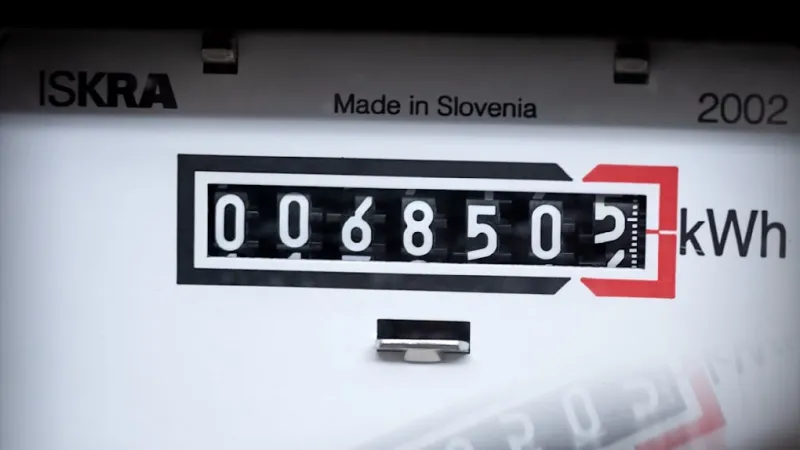
The advent of smart metering technology further empowers consumers in this optimization endeavor. By providing real-time data on gas consumption, smart meters enable households to identify periods of high usage and implement targeted efficiency measures, thereby reducing overall demand and subsequently, their bills. Understanding how and when energy is consumed is the first step toward reducing its cost.
Contract duration also plays a pivotal role. Short-term contracts, typically 12 months, offer greater flexibility to switch providers if better deals emerge. Longer-term agreements, extending to 24 or even 36 months, might offer an initial discount but can trap consumers if market prices fall significantly or if a household's energy needs change.
Many providers entice new customers with sign-up bonuses or loyalty incentives. While these can seem attractive, consumers must scrutinize the overall cost of the contract beyond the introductory offer. Sometimes, a seemingly lower monthly rate with no bonus can prove more economical over the full contract term, especially after the initial benefits expire.
The process of switching providers requires careful attention to detail. Timely termination of the current contract, adherence to notice periods, and ensuring a seamless transition without interruption to supply are critical. Most new providers offer assistance with the switching process, but consumers should remain proactive in monitoring each step.
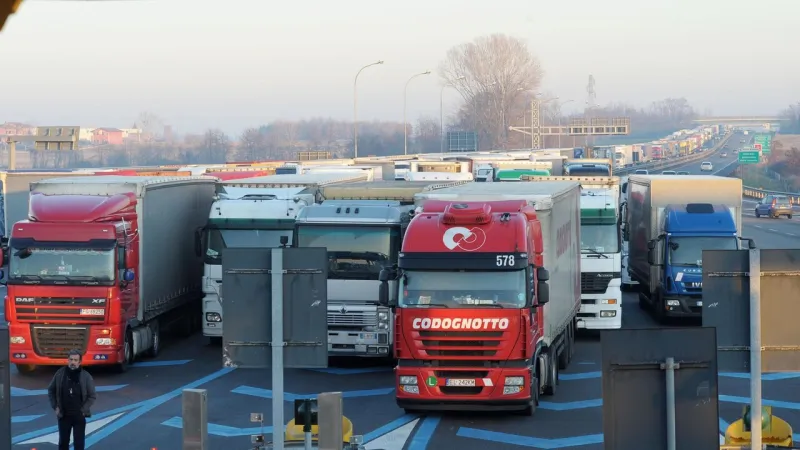
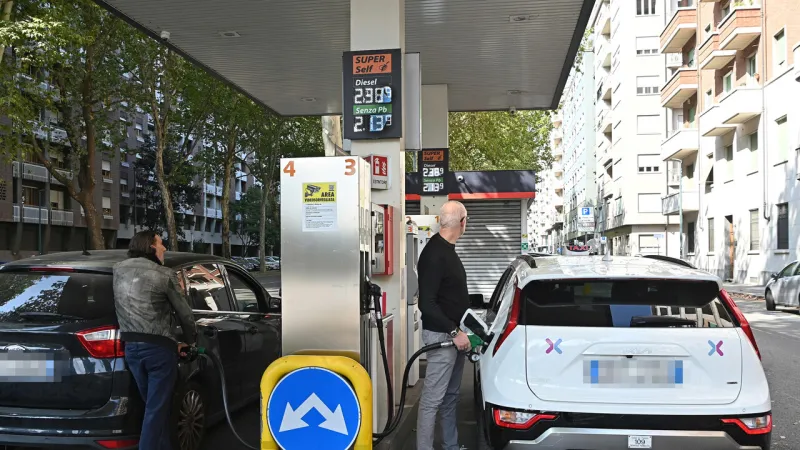
Beyond individual action, the broader economic context continually influences gas prices. Inflationary pressures and the cost of doing business impact energy suppliers, often translating to higher rates for consumers. For instance, recent reports highlight how companies like Eni have implemented measures like fuel price caps amid market fluctuations, reflecting the industry's dynamic environment and its direct impact on household finances. Read more about Eni's fuel price caps amid market fluctuations.
Governments and regulatory bodies play a crucial role in ensuring fair competition and consumer protection within the energy sector. Clear guidelines on pricing, transparency, and complaint resolution mechanisms provide a safety net for consumers navigating complex contract terms and conditions.
The long-term outlook for gas consumption is also influenced by the accelerating shift towards renewable energy sources. As nations invest more heavily in green alternatives, the demand for natural gas may stabilize or even decline in certain sectors, potentially impacting future pricing models. Consumers who understand these broader trends are better positioned to make informed decisions.
Ultimately, optimizing a gas contract in 2026 transcends a simple transactional decision; it represents an active engagement with personal finance and the wider energy economy. By staying informed, comparing options diligently, and understanding their consumption, consumers can significantly impact their financial well-being.