 Edward DP Situmorang
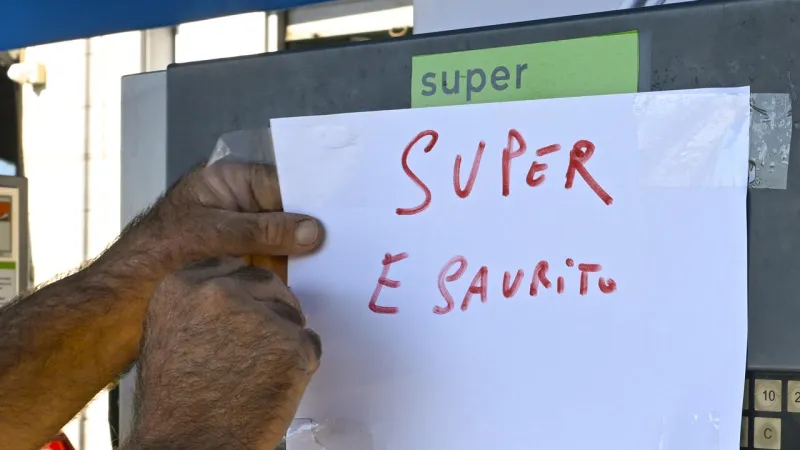
ROME – Energy behemoth Eni has initiated a maximum price cap across its network of fuel distributors throughout Italy, a significant development for motorists navigating fluctuating costs. The measure, which commenced recently, aims to provide a degree of predictability for consumers, contrasting sharply with the sustained pricing observed at rival IP stations.
This strategic intervention by Eni establishes a ceiling on the cost of various fuels, preventing prices from exceeding a predefined maximum regardless of daily market shifts. The company position signals a proactive step in managing consumer expectations and potentially mitigating the impact of broader economic pressures on household budgets.
The decision unfolds against a backdrop of considerable volatility within the Italian fuel market. Recent months have seen pump prices escalate, with diesel, in particular, nearing 2.5 euros per liter on highways, as reported in various analyses. This upward trend has fueled public concern and spurred discussions regarding affordability across the nation. For more context, see this report: Italian Fuel Prices Surge: Diesel Nears 2.5 Euros on Highways.
Eni's motivation for introducing the cap likely stems from a confluence of factors, including competitive positioning, corporate social responsibility, and potential governmental pressures to stabilize energy costs. Such initiatives can bolster consumer loyalty and enhance a brand's public image in challenging economic climates.
In stark contrast to Eni's new policy, IP stations have yet to implement similar price reductions or caps, maintaining their current pricing structures. This creates a dual market scenario where consumers may gravitate towards stations offering capped prices, intensifying competition among distributors.
Italian authorities have consistently monitored fuel prices, with discussions around intervention measures frequently arising during periods of significant cost increases. The government has previously explored and expanded fuel price caps as a mechanism to shield consumers from excessive burdens, particularly in the context of broader inflationary pressures.
The implementation of a price ceiling by a major player like Eni could ripple through the entire national fuel market. Smaller independent stations and other large distributors might face increased pressure to adjust their own pricing strategies to remain competitive or risk losing market share.
Consumers stand to benefit directly from Eni's move through greater transparency and protection against sudden, steep price hikes. This stability can empower motorists to better plan their travel and manage expenses without the constant apprehension of escalating fuel costs.
While the immediate impact is a welcome relief for many, analysts will closely observe whether this measure sustains long-term stability or prompts broader industry-wide changes. The dynamics of global oil markets and geopolitical events invariably influence domestic fuel prices, making any sustained intervention a complex undertaking.
The company's action highlights the ongoing challenge for energy providers in balancing market forces with consumer welfare. As the economic landscape continues to evolve in 2026, the effectiveness and duration of Eni's fuel price cap will be a significant indicator for the future direction of Italy's energy retail sector.