 Edward DP Situmorang
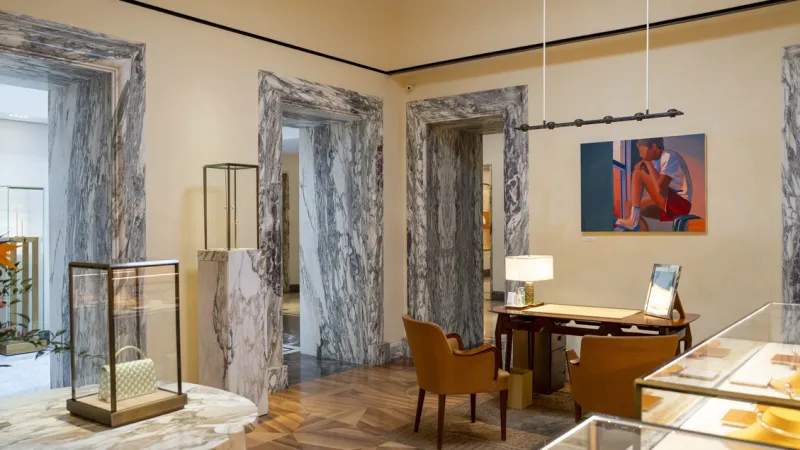
New York to Rome and beyond, the global luxury art market is experiencing an unprecedented surge, fueled by a dynamic convergence of discerning collectors and a burgeoning class of the newly affluent. This expansion manifests through vigorous activity in international auction houses, exclusive gallery exhibitions, and high-end boutique showcases, signaling a robust and evolving landscape for high-value artworks.
The burgeoning interest among the new rich marks a significant paradigm shift. These individuals, often accumulating wealth through tech, finance, or emerging industries, increasingly view fine art not merely as a decorative acquisition but as a sophisticated asset class and a powerful symbol of cultural capital. Their entry injects fresh demand and diverse tastes into a historically established sector.
Auction houses, acting as linchpins of this sophisticated trade, report record sales and increased participation from a global client base. These institutions leverage their vast networks and expertise to connect sellers with buyers, facilitating transactions that often command millions, sometimes billions, for single pieces. Their reach extends from established Western capitals to emerging markets in Asia and the Middle East.
Galleries and specialized art boutiques also play a crucial role in cultivating this growth. They provide curated experiences, fostering direct relationships between artists, estates, and collectors. These venues often serve as critical discovery points, introducing emerging talents and showcasing significant historical works that attract both seasoned connoisseurs and new entrants to the market.
The appeal of art transcends mere aesthetics; it embodies a unique blend of heritage, innovation, and perceived tangible value. Contemporary pieces by celebrated artists often lead the charge, appealing to modern sensibilities, while masterpieces from historical periods maintain their allure as timeless investments and cultural touchstones. Rare antiquities and unique artifacts also command significant attention.
For many, collecting art represents a strategic diversification of investment portfolios. Unlike volatile stocks or property, certain artworks demonstrate remarkable resilience and appreciation, particularly during economic uncertainties. Experts frequently highlight arts role as a hedge against inflation and a store of value, albeit with its own set of market dynamics and risks.
Beyond financial considerations, the acquisition of luxury art confers immense social prestige and personal satisfaction. Owning a piece of history or a significant contemporary work elevates status within elite circles, fostering connections and conversations centered around culture and intellect. The aesthetic pleasure derived from living with exceptional art remains a primary motivator for many.
The geographical footprint of the luxury art market has expanded considerably. While traditional centers like London, Paris, and New York maintain their dominance, cities such as Hong Kong, Shanghai, and even emerging hubs in the Middle East are rapidly establishing themselves as vital nodes. This global connectivity ensures a diverse supply and demand chain, fueling further growth.
Technological advancements, including online viewing rooms and virtual auctions, have democratized access to the market, allowing a broader spectrum of potential buyers to engage with high-value art from anywhere in the world. While not replacing the tactile experience, these platforms enhance transparency and expand reach, further accelerating market activity.
However, challenges persist within this high-stakes environment. Concerns regarding provenance, authenticity, and the potential for market manipulation remain under constant scrutiny. Industry leaders and regulatory bodies continuously strive to enhance transparency and ethical practices to maintain confidence among collectors and ensure the integrity of the market.
The evolving preferences of collectors also shape market trends. There is a growing appreciation for art that speaks to contemporary social narratives, alongside a steady demand for established masters. This dual interest ensures a vibrant and multifaceted market where both historical gravitas and modern commentary find their respective audiences.
Furthermore, philanthropic motivations often intertwine with collecting. Many prominent collectors eventually donate significant portions of their acquisitions to museums and public institutions, ensuring wider access to cultural treasures and leaving a lasting legacy. This aspect underscores the broader societal value attributed to fine art.
The intersection of art and other luxury sectors, such as fashion and real estate, also contributes to its market expansion. High-end brands increasingly collaborate with artists or incorporate art installations into their retail spaces and properties, blurring the lines between consumer goods and cultural experiences, and drawing new audiences into the art world.
Analysts project continued growth in the luxury art market, driven by sustained wealth creation globally and the enduring human desire for beauty, meaning, and investment. The dynamic interplay between established collectors and the newly affluent promises to keep the art world an exciting and continuously evolving domain for years to come.