 Robert Andrison
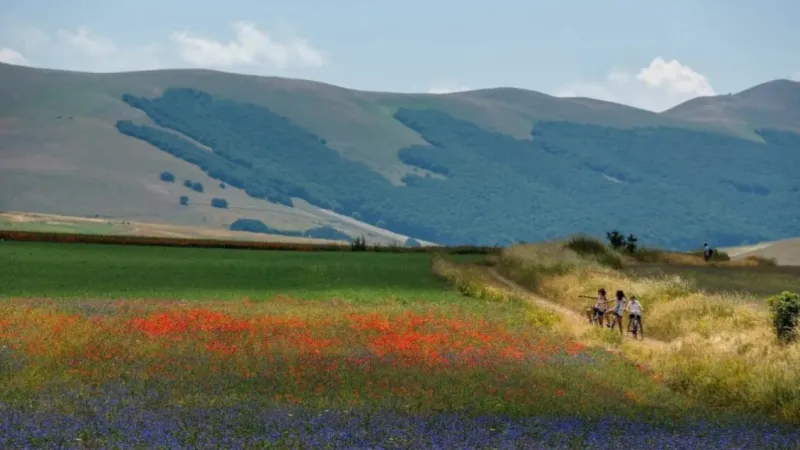
Umbria, Italy, is positioning itself as a premier destination for slow tourism, leveraging its picturesque landscapes, ancient villages, and rich historical heritage through an expanding network of cycling routes and e-bike itineraries. This strategic shift aims to cultivate new economic opportunities and sustainable development, drawing visitors seeking immersive experiences rather than rushed itineraries, all while highlighting regions that include a historic micro-state that thrived for four centuries.
The concept of slow tourism, emphasizing deeper engagement with local culture and environment, has gained significant traction. For Umbria, this translates into a focus on extended stays, support for local businesses, and a more profound appreciation for the region's authentic charm. This approach promises a robust economic uplift for communities previously overlooked by mass tourism.
Central to this initiative are the new cycling paths and the promotion of e-bikes, which make the region's hilly terrain accessible to a broader range of visitors. These routes traverse stunning natural parks, serene valleys, and historic trails, offering diverse experiences for both seasoned cyclists and casual riders.
The region's natural beauty is a primary draw. From the tranquil shores of Lake Trasimeno to the dense woodlands of the Apennine foothills, Umbria offers a sanctuary for nature enthusiasts. Cyclists can explore protected areas, encounter diverse wildlife, and immerse themselves in landscapes largely untouched by modern development.
Beyond nature, Umbria is renowned for its enchanting medieval villages, each with unique stories and architectural treasures. Towns like Assisi, Orvieto, and Spello, with their cobblestone streets and ancient walls, provide perfect stopovers, allowing cyclists to delve into local history, cuisine, and artisanal crafts.
A particularly intriguing aspect of the Umbrian experience is the historical reference to a micro-state that persisted for four centuries within the region. While specific details of this entity are often integrated into local folklore and lesser-known historical narratives, its existence underscores Umbria's deep and complex past, offering a unique hook for history buffs. This long-forgotten sovereignty adds another layer to the region's appeal, inviting exploration beyond typical tourist trails.
Local businesses, including agriturismos, family-run restaurants, and artisanal shops, stand to benefit significantly from this influx of slow tourists. Unlike conventional tourism that might concentrate benefits in larger cities, cycling tourism encourages visitors to explore and spend money in smaller, more remote communities.
To support this vision, local authorities and private investors are collaborating on infrastructure improvements. This includes enhancing existing cycle paths, establishing new routes, installing charging stations for e-bikes, and developing bike-friendly accommodations.
The emphasis on cycling also aligns with broader sustainability goals. By promoting active transportation and reducing reliance on cars, Umbria aims to minimize its environmental footprint, preserving its pristine environment for future generations.
The strategic investment in cycling tourism is anticipated to yield long-term benefits, fostering a resilient and diversified tourism economy for Umbria. It represents a conscious effort to move beyond transient visits, encouraging a more meaningful and prolonged engagement with the region.