 Angela Stefani
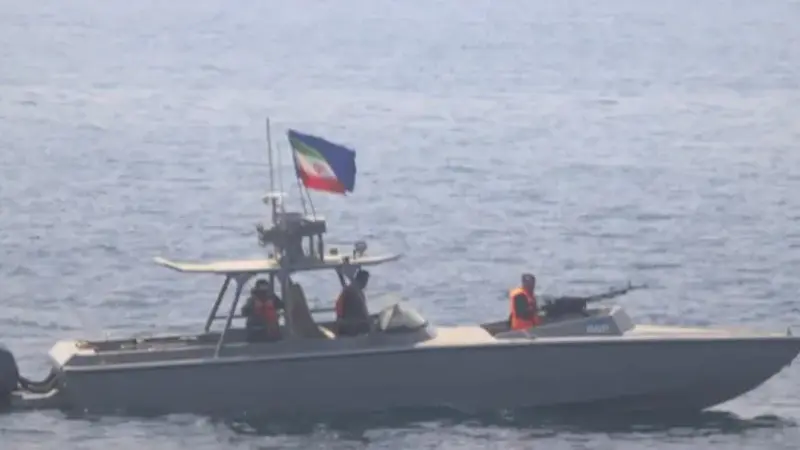
BRUSSELS — European nations are significantly boosting their presence and capabilities in the critical Strait of Hormuz, with President Emmanuel Macron affirming that France stands ready alongside 19 other countries to bolster maritime security. The collective effort by the 27-member bloc aims to strengthen the existing Aspides naval mission as the vital shipping lane gradually progresses toward operational normalcy.
This strategic pivot underscores Europes commitment to safeguarding global trade and energy supply routes through one of the worlds most volatile maritime chokepoints. The decision to potentiate the Aspides mission reflects a shared understanding among member states regarding the imperative of stability in a region frequently fraught with geopolitical tensions.
The Strait of Hormuz, linking the Persian Gulf with the Arabian Sea and beyond, witnesses the passage of approximately one-fifth of the worlds petroleum consumption. Disruptions here send ripple effects across global markets, impacting energy prices and international commerce. Europes proactive stance aims to mitigate such risks by ensuring safe passage for merchant vessels.
President Macron, addressing reporters, declared, "We are ready with 20 countries to intensify our efforts and reinforce the Aspides mission in Hormuz. Our collective security depends on the free flow of navigation in this critical waterway." His statement highlights a robust consensus among a significant portion of the European Union and its partners.
The expansion of Operation Aspides, initiated to protect shipping from attacks in the Red Sea and Gulf of Aden, will now focus more acutely on the wider security architecture of the Persian Gulf. This evolution demonstrates Europes adaptive approach to evolving threats and its willingness to take greater responsibility for international maritime security.
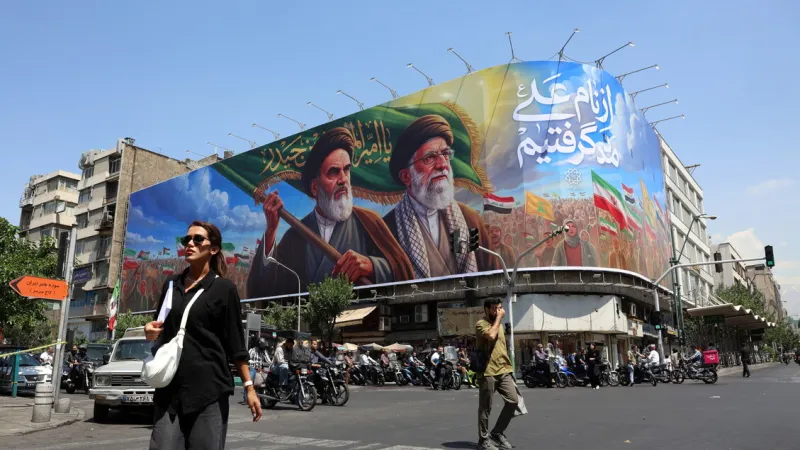
Concerns about the Strait of Hormuz have fluctuated over recent years, often escalating due to regional disputes and geopolitical maneuvering involving actors such as Iran. President Donald Trump has frequently engaged in diplomatic and rhetorical exchanges regarding the region, at times threatening strikes and working towards agreements, as seen in reports like Trump Threatens Iran Strikes As 14-Point Deal Details Emerge and Trump Declares G7 a Great Success, Signals Imminent Iran Accord.
The current assessment of the Strait slowly returning to normality suggests that while immediate threats may have receded, the underlying vulnerabilities persist. Europes enhanced mission acts as a deterrent and a reassurance to shipping companies navigating these challenging waters.
Operation Aspides, originally launched with a defensive mandate, involves the deployment of naval assets and surveillance capabilities to detect and repel threats. By potentating the mission, member states are likely committing additional vessels, aerial surveillance, and intelligence-sharing mechanisms to broaden its operational reach and effectiveness in the Strait of Hormuz.
The diplomatic groundwork for this expansion has been extensive, with numerous discussions among EU foreign ministers and defense chiefs. Meloni Praises G7 Unity, Hormuz Mission Vote Nears, indicating broader international support and coordination for such security initiatives.
This initiative also aligns with a broader European strategy to enhance its autonomous defense capabilities and project stability beyond its immediate borders. It represents a tangible step toward a more integrated and capable European security architecture, reducing reliance on other global powers for regional stability.
The involvement of 20 countries, as stated by President Macron, signifies a broad base of support and resource allocation. This collaborative model is crucial for sustaining long-term operations in a geographically expansive and strategically vital area like the Strait of Hormuz.
While the primary focus remains on maritime security, the diplomatic implications are significant. Europes robust presence sends a clear message about its resolve to protect international law and freedom of navigation, potentially influencing regional power dynamics and encouraging de-escalation.
The economic implications of a stabilized Strait of Hormuz are substantial. Reduced risks mean lower insurance premiums for shipping, more reliable supply chains, and ultimately, greater predictability for global trade. This benefits not only European economies but also international partners reliant on these routes.
Looking ahead, the success of the potentated Aspides mission will depend on sustained political will, effective coordination among participating nations, and robust engagement with regional stakeholders. The current steps mark a significant commitment to enduring stability in a region critical to global prosperity.