 Demian Sahputra

Italian Premier Giorgia Meloni concluded the G7 summit by expressing profound satisfaction with the surprising convergences achieved among global leaders, signaling a unified front on critical international issues. During a post-summit press conference, she also indicated that discussions regarding Italy's potential participation in a mission to the Strait of Hormuz would commence within the next 60 days, allowing ample time for parliamentary deliberation before any approval is sought.
Meloni characterized the shared understanding forged during the high-stakes gathering as "excellent news," particularly given the complex geopolitical landscape of 2026. The Premier emphasized that such unanimous agreement was far from a foregone conclusion, underscoring the diligent diplomatic efforts undertaken by member states.
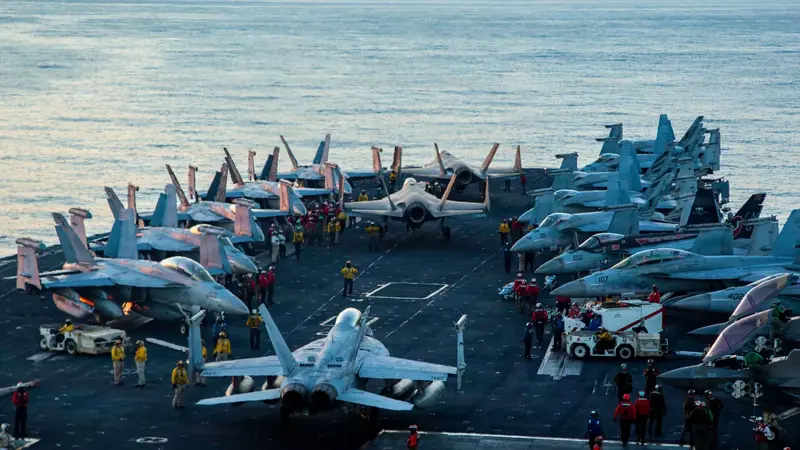
The proposed mission to the Strait of Hormuz represents a significant geopolitical commitment. This strategic waterway, vital for global oil shipments, has been a persistent flashpoint for international tensions in recent years. Italy's potential involvement would mark a notable expansion of its security responsibilities in a critical region.
"For the mission to Hormuz, we will see in the next 60 days," Meloni stated, clarifying the timeline. "We will give Parliament time for the debate. It is too early to say when we will ask for approval." This commitment to comprehensive legislative scrutiny highlights the gravity of the decision and the democratic process governing Italy's foreign policy.
The G7, comprising leading democratic economies, frequently addresses pressing global challenges ranging from economic stability to security concerns. The spirit of cooperation highlighted by Meloni resonates with previous efforts to find common ground amidst diverse national interests. Discussions at past summits, such as when Evian G7 Summit Concludes; Merz Hails Shared Language Before Trump-Macron Talks, often set precedents for future collaboration.
While Premier Meloni remained largely general about the specific areas of G7 convergence, observers speculate discussions likely encompassed ongoing conflicts, global economic recovery strategies, and perhaps emerging technological governance. This aligns with broader European concerns, as President Sergio Mattarella has previously urged a shift from mere AI discourse to concrete action.
Italy, under Premier Meloni, has consistently sought to balance its European commitments with a more assertive and proactive role on the international stage. Its consideration of participation in collective security initiatives, particularly those involving critical maritime routes, reflects a growing commitment to global stability and trade security.
The Strait of Hormuz remains a crucial choke point, linking the Persian Gulf to the open ocean and facilitating a substantial portion of the world's oil trade. Any international mission there would primarily aim to safeguard freedom of navigation and deter potential threats to international shipping, endeavors requiring broad international backing and careful diplomatic coordination.
The impending parliamentary debate in Italy will test the unity within the ruling coalition and the broader political consensus on foreign policy. Securing legislative approval for a significant military or security mission abroad often involves extensive discussions and potential compromises across party lines, reflecting a healthy democratic process.
The 60-day window provides a critical period for intense consultations within government ministries, with defense and foreign affairs officials likely preparing detailed briefings for lawmakers. The outcome of these deliberations will significantly shape Italy's immediate foreign policy trajectory and its profile within international security alliances.
Italy has historically contributed to various international peacekeeping and security operations, reflecting its unwavering commitment to multilateralism and global stability. Decisions on such deployments are rarely taken lightly and always involve robust public and political discourse to ensure broad consensus.
The reported "convergences" at the G7 suggest a period of renewed diplomatic engagement among the world's leading economies, potentially paving the way for coordinated responses to other pressing global challenges, including climate change initiatives and humanitarian crises.
While specific statements from President Donald Trump regarding the G7 outcomes or the Hormuz mission were not detailed in Meloni's press conference, the presence of the US delegation leader is always a significant factor in G7 deliberations, particularly on matters of global security. Past G7 discussions illustrate how Macron, Merz Diplomacy Shifts Trump's Russia Stance at G7.
Italy's willingness to consider a role in the Hormuz mission underscores its strategic positioning in the Mediterranean basin and its broader interest in maintaining stability in regions critical to global trade and energy security. This move signals a proactive approach to safeguarding international commerce.
The coming weeks will be crucial as the Italian government prepares its case for parliamentary approval, balancing national interests with the broader goals of international cooperation and security. The transparency promised by Premier Meloni in this process will be key to garnering sustained public and political support.