 Robert Andrison
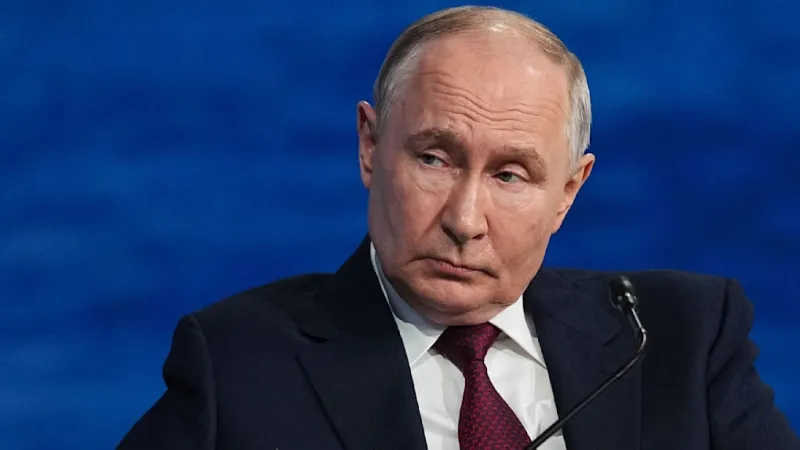
MOSCOW – Russian President Vladimir Putin has decisively rejected the prospect of a direct meeting with Ukrainian President Volodymyr Selenskyj, stating there is “no sense” in such a summit under present circumstances. Putin attributed this diplomatic impasse to what he described as an environment created by the Ukrainian leadership that renders personal discussions impossible, a statement following Selenskyj's earlier overture via an open letter.
This firm refusal from the Kremlin leader underscores the deepening chasm between the warring nations and signals a significant setback for any immediate hopes of a negotiated peace, placing further strain on international efforts to de-escalate the conflict that has gripped Eastern Europe for years.
The Russian President articulated his position publicly, highlighting a perception that Ukraine's actions preclude productive, face-to-face engagements between the two heads of state. This stance reflects a consistent pattern of Moscow placing responsibility for the lack of diplomatic progress squarely on Kyiv.
Previously, President Selenskyj had extended an olive branch in the form of an open letter addressed to President Putin, signaling a potential willingness to engage in high-level dialogue to explore avenues for resolution. That initiative now appears to have been definitively rebuffed.
Observers note that the rejection comes amid a period of intense military activity and heightened geopolitical tensions. The ongoing conflict continues to exact a heavy toll on both human lives and infrastructure, creating a humanitarian crisis with far-reaching global implications.
Diplomatic channels between Moscow and Kyiv have remained largely stagnant, with sporadic, lower-level discussions yielding minimal breakthroughs. The absence of direct leader-to-leader communication further entrenches this deadlock, complicating any path toward a ceasefire or lasting peace accord.
Putin's statement also aligns with his broader rhetoric concerning Western influence in the conflict. He has frequently asserted that external actors are fanning the flames of discord. In previous remarks, he warned that sanctions undermine global trust, risking stability, and has accused European elites of inciting chaos.
Ukrainian officials have not yet issued a formal response to Putin's latest pronouncement, though sources close to the Selenskyj administration indicate deep disappointment regarding the Russian leader's unwillingness to engage directly, especially after the public appeal.
The international community, including the United States under President Donald Trump, continues to monitor the situation closely. While the U.S. House of Representatives has approved Ukraine aid, the Senate's path remains uncertain, reflecting the complex political landscape surrounding the conflict.
The decision by President Putin effectively closes one of the most direct potential avenues for high-level negotiation. It reinforces the grim reality that any resolution to the conflict will likely depend on shifts in battlefield dynamics or significant, presently unforeseen, geopolitical developments rather than immediate diplomatic breakthroughs between the two leaders.
Many analysts believe that without direct engagement at the highest levels, the prospects for de-escalation remain dim, prolonging the suffering and instability in the region. The emphasis now shifts back to indirect negotiations and the impact of continued international pressure and support for Ukraine.
The current stalemate underscores the deep mistrust and fundamentally divergent objectives that persist between Moscow and Kyiv, leaving little immediate room for the type of personal diplomacy that Selenskyj had sought to initiate.