 Dodi Irawan
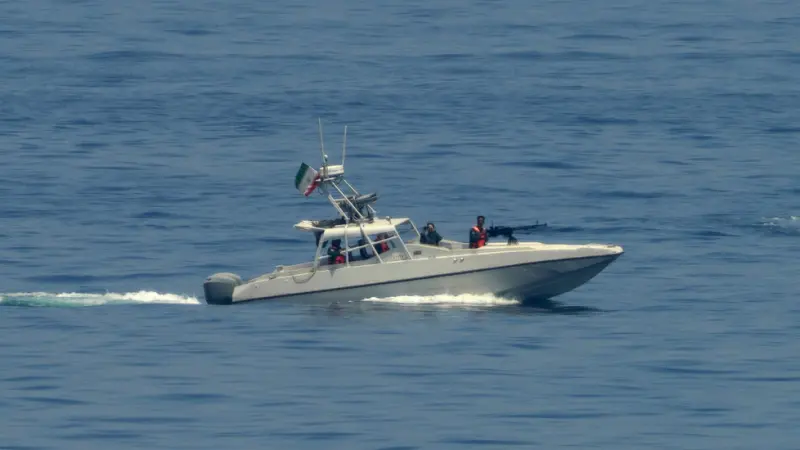
WASHINGTON — The U.S. Navy today neutralized six Iranian fast-attack boats in the volatile Strait of Hormuz, hours after Tehran-backed forces reportedly launched drone and missile attacks targeting facilities in the United Arab Emirates and a commercial vessel transiting the critical waterway, signaling a dangerous escalation of regional tensions.
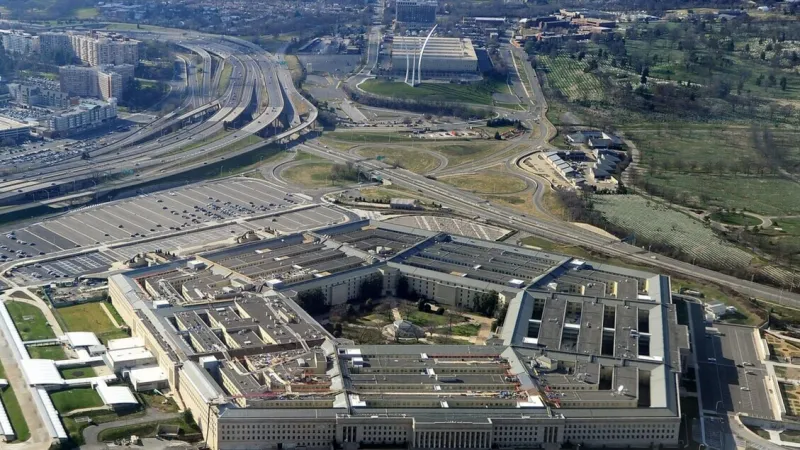
The confrontation unfolded early Tuesday morning when U.S. naval assets, including elements of the U.S. Fifth Fleet, intercepted a flotilla of Iranian Islamic Revolutionary Guard Corps Navy (IRGCN) vessels. According to Pentagon sources, the Iranian boats displayed hostile intent and fired warning shots at allied commercial shipping before U.S. forces engaged them in a defensive maneuver, sinking six of the smaller craft.
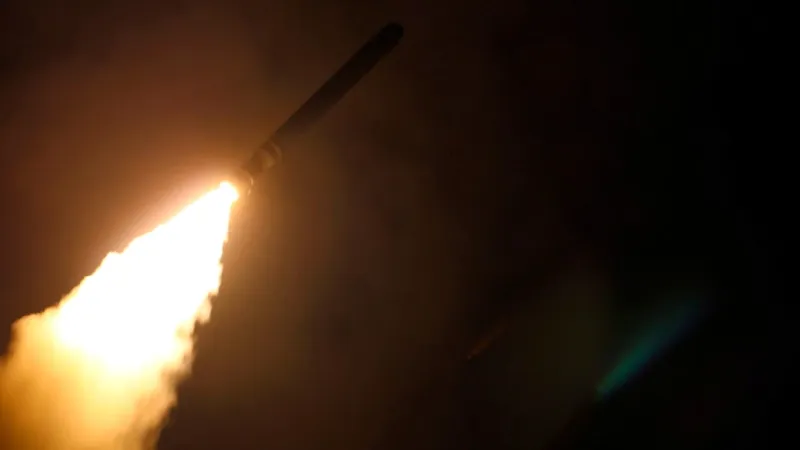
Earlier, explosions were reported near key infrastructure in the UAE, with initial assessments suggesting strikes by drones and possibly cruise missiles originating from Iranian-aligned groups. Simultaneously, a crude oil tanker, identified as the MV Pacific Dawn, reported being struck by an unmanned surface vessel while navigating the Strait, sustaining moderate damage but no casualties among its crew.
These coordinated assaults represent a significant uptick in hostilities in a region already fraught with geopolitical complexities. The Strait of Hormuz, a narrow chokepoint through which approximately one-fifth of the world's oil supply passes, has been a flashpoint for years, with previous Iranian provocations disrupting global maritime traffic.
President Donald Trump addressed the nation from the Oval Office shortly after the incidents. "America will not tolerate aggression against our allies or the disruption of global commerce," President Trump declared. "We have taken decisive action to protect our interests and ensure the freedom of navigation. Iran's reckless behavior will be met with unwavering strength."
A Pentagon spokesman confirmed the U.S. military action, emphasizing that the engagement was purely defensive. "Our forces operated within international law, responding directly to imminent threats posed by the IRGCN boats," the spokesman stated, adding that efforts were underway to de-escalate the broader situation while maintaining a robust deterrent posture.
Iranian state media, however, presented a different narrative, alleging that U.S. naval forces initiated the engagement and infringed upon Iranian territorial waters. Tehran condemned the U.S. action as an "act of piracy" and vowed a "crushing response" if its interests or security were further threatened, though details of their alleged losses remained vague.
The United Arab Emirates Ministry of Foreign Affairs issued a strong condemnation of the attacks on its territory, describing them as "terrorist acts" that threaten regional stability and international peace. The UAE government affirmed its right to self-defense and called on the international community to take a firm stand against state-sponsored terrorism.
Global leaders expressed grave concern over the rapidly deteriorating security situation. United Nations Secretary-General Antonio Guterres urged all parties to exercise maximum restraint and pursue diplomatic solutions to prevent a wider conflict that could have devastating consequences for the Middle East and beyond.
The immediate aftermath saw a spike in global oil prices, with Brent crude futures rising by over three percent following the news. Shipping insurers and analysts warned of increased premiums and potential rerouting of vessels, highlighting the critical economic implications of instability in the Strait of Hormuz.
This crisis places President Trump's 2026 foreign policy priorities under intense scrutiny, particularly his administration's commitment to countering Iranian influence and safeguarding Gulf security. Alliances with regional partners like Saudi Arabia and the UAE are expected to play a crucial role in shaping the response.
Analysts predict a period of heightened vigilance and potential for further confrontations as both sides assess their next moves. Diplomatic channels, while strained, remain open, with back-channel communications reportedly being explored to prevent an uncontained military escalation.