 Stefani Rindus
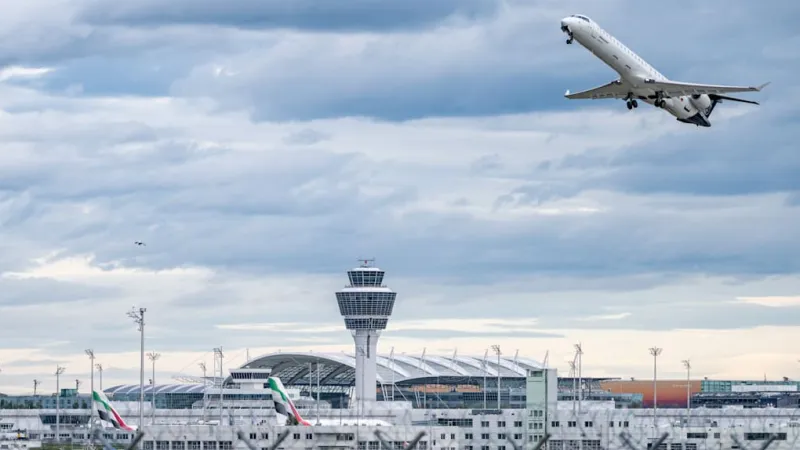
Munich, Germany – Air traffic at Munich Airport was briefly brought to a standstill earlier today after an unexplained odor of fire permeated parts of the facility, prompting a swift and comprehensive operational suspension. While the immediate threat has been cleared, allowing flights to gradually resume, authorities are actively investigating the elusive source of the concerning smell.
The detection of the unusual aroma triggered immediate emergency protocols, leading airport management to halt all takeoffs and landings as a precautionary measure. This decision, prioritizing the safety of passengers and personnel, inevitably resulted in widespread flight delays and diversions, impacting thousands of travelers.
Emergency response teams, including fire brigades and technical personnel, were deployed across the airport grounds. Their rapid assessment focused on identifying any potential ignition sources or hazardous conditions. The stringent safety procedures underscore the critical nature of airport operations, where even a faint hint of danger necessitates extreme vigilance.
For several hours, the airport remained in a state of heightened alert, with passengers advised to monitor their flight status closely. The disruption underscored the vulnerability of complex travel hubs to unforeseen incidents, even those without an immediate visible cause.
A spokesperson for Munich Airport confirmed that an all-clear was eventually issued after extensive checks yielded no evidence of an active fire or hazardous material. While this brought a measure of relief, the underlying mystery of the scent's origin persists.
Investigators are now faced with the challenging task of pinpointing the source. This process often involves meticulous examination of ventilation systems, electrical conduits, and maintenance areas, as well as considering external environmental factors that might have carried a scent into the terminals.
Such incidents, though rare, highlight the rigorous safety standards governing international airports. Any indication of smoke or fire, irrespective of its perceived severity, demands an immediate, decisive response to prevent potential catastrophic outcomes. Past incidents, such as when Munich Airport Tower Ablaze, Flights Grounded Amid Major Disruption, demonstrate the sensitivity of such infrastructure.
The temporary grounding of flights serves as a stark reminder of the delicate balance involved in maintaining smooth air travel while adhering to paramount safety directives. The swift action of airport staff and emergency services likely averted a more serious situation, regardless of the eventual cause.
Munich Airport, one of Europe's busiest air travel hubs, handles millions of passengers annually. Disruptions of this nature ripple through global air networks, affecting connecting flights and schedules far beyond Germany’s borders.
Authorities have reiterated their commitment to a thorough investigation, aiming to provide a definitive explanation for the unsettling odor. Until then, the incident stands as a testament to the proactive measures taken to safeguard air travel.