Gabriella
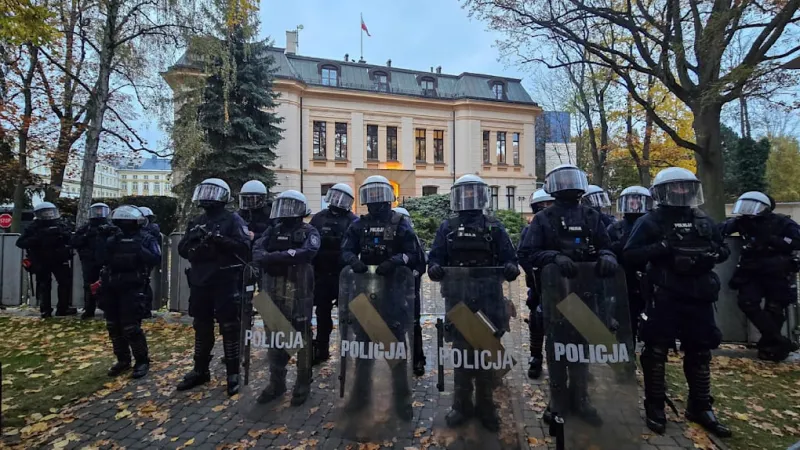
WARSAW — A profound constitutional crisis is escalating in Poland, leading to the resignations of two prominent ambassadors and prompting President Karol Nawrocki to issue a stark warning regarding the nations security. The escalating power struggle, centered on the authority and independence of Polands Constitutional Court, marks a significant challenge to the countrys democratic institutions and international standing.
The diplomatic departures underscore the severity of the internal political turmoil. While the identities of the resigning envoys were not immediately disclosed, their decision signals a growing apprehension within the diplomatic corps regarding the rule of law and political stability in Poland.
President Nawrocki publicly characterized the ongoing dispute as a direct threat to national security. His pronouncement highlights the gravity of the situation, elevating what might typically be considered an internal legal or political skirmish to a matter of paramount state concern.
The long-simmering tensions surrounding Polands Constitutional Court have been a flashpoint for years, drawing scrutiny from both domestic observers and international bodies, particularly the European Union. Critics argue that the government has systematically sought to exert control over the judiciary, undermining its impartiality and independence.
The constitutional court, designed as a bulwark against executive overreach, has increasingly become a battleground for political factions. Rulings from the court have significant implications for legislation passed by the parliament and for the overall balance of power within the state.
Observers suggest that the ambassadors actions reflect a deep-seated frustration with the governments perceived disregard for constitutional norms and the principles of judicial autonomy. Such resignations from high-ranking diplomatic posts are rare and typically indicative of a profound disagreement with state policy or governance direction.
The ramifications of this internal strife extend beyond Polands borders. The nations standing within the European Union has been repeatedly challenged over concerns about the rule of law. This latest escalation could further strain relations with Brussels and other member states that prioritize democratic checks and balances.
For President Nawrocki to frame the conflict as a national security issue suggests potential broader impacts, perhaps on Polands alliances, its economic stability, or its ability to project a unified front on the international stage. A weakened judiciary can create unpredictability that deters foreign investment and cooperation.
Past attempts to resolve the judicial crisis have largely failed, leading to a prolonged period of uncertainty regarding the integrity of Polands legal framework. This ongoing instability affects not only political discourse but also the daily lives of citizens and the operational environment for businesses.
The international community will be closely monitoring developments in Warsaw. The integrity of independent institutions, like Polands Constitutional Court, is often viewed as a cornerstone of democratic governance and a prerequisite for stable, predictable international partnerships.
As the power struggle intensifies, the Polish government faces increasing pressure to address the underlying causes of the constitutional impasse. The resignations serve as a potent symbol of the deep fissures within the countrys political landscape and the urgent need for a resolution that upholds the rule of law and restores confidence in state institutions.
The path forward for Poland remains uncertain, but the current crisis represents a critical juncture. The decisions made in the coming weeks and months will undoubtedly shape the future trajectory of Polands democratic health and its role within Europe and beyond.