 Debby Wijaya
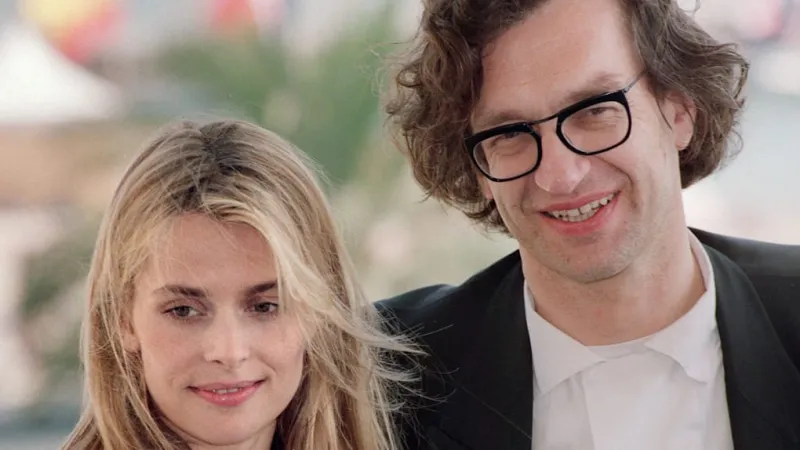
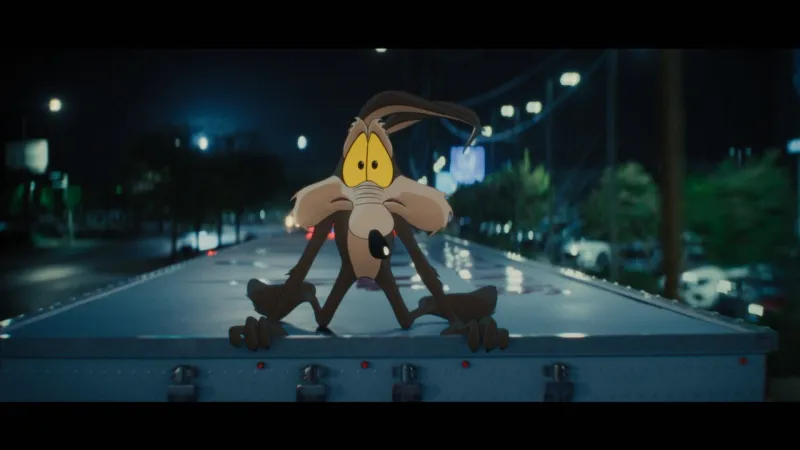
BERLIN – Celebrated German auteur Wim Wenders is reportedly exploring artificial intelligence solutions following an unprecedented wave of demands for content alteration targeting his early film catalog. The acclaimed director seeks innovative methods, including a rumored AI-driven houseplant intervention, to navigate a burgeoning moral furor within Germany's cultural landscape, which critics suggest is fostering increasingly absurd demands on artistic expression.
The rapid escalation of calls for changes to classic works reflects a growing tension between artistic integrity and evolving societal sensitivities in Germany. This movement, often characterized by its swift judgments, has placed significant pressure on historical productions across various artistic mediums.
Wenders, known globally for seminal works like Paris, Texas and Wings of Desire, represents a cornerstone of German cinema. His films often explore profound themes of alienation, memory, and the human condition, earning him numerous accolades and a revered status in contemporary film history.
While specific titles remain largely undisclosed in public discourse, the demands for censorship reportedly concern elements within Wenders early films deemed problematic by contemporary standards. This situation mirrors broader debates about recontextualizing historical art through a modern lens.
The unconventional approach of employing artificial intelligence, particularly the peculiar detail of a houseplant managing adjustments, underscores the perceived extremity of the situation. Sources close to the production suggest Wenders views this as a potential path to preserving the essence of his original vision while appeasing external pressures.
This development raises profound questions about the future of German cultural heritage. The idea that foundational cinematic works might be altered post-production due to shifts in public sentiment signals a potentially dangerous precedent for artistic freedom and historical preservation. Concerns are mounting about whether Germany's memory of cultural contributions could similarly fade under such scrutiny, mirroring other societal challenges.
Cultural critics and film historians have voiced significant concerns, emphasizing the slippery slope phenomenon. Dr. Lena Schmidt, a professor of media studies at the University of Berlin, stated, "To retroactively sanitize art is to rewrite history, stripping it of its original context and the very societal norms it once reflected."
Germany is not alone in grappling with such debates. Across Europe and North America, cultural institutions frequently confront demands to re-evaluate or modify historical artifacts and narratives. However, the reported use of AI for such purposes introduces an entirely new dimension to the ethical considerations involved.
The integration of AI into artistic revision poses complex technical and philosophical challenges. How an algorithm, even one personified as a digital houseplant, could intelligently reinterpret or modify narrative elements without fundamentally altering the artists intent remains a central point of skepticism and intrigue.
Beyond artistic integrity, the financial implications for film archives and distribution could be substantial. The costs associated with AI-driven revisions, coupled with the potential devaluation of original cuts, might further complicate the preservation efforts of historical film.
The unfolding situation with Wim Wenders stands as a stark indicator of the evolving pressures on creators and custodians of culture. It prompts a critical examination of how society balances historical context, artistic freedom, and contemporary moral frameworks in an increasingly digitized and sensitive world.