 Robert Andrison
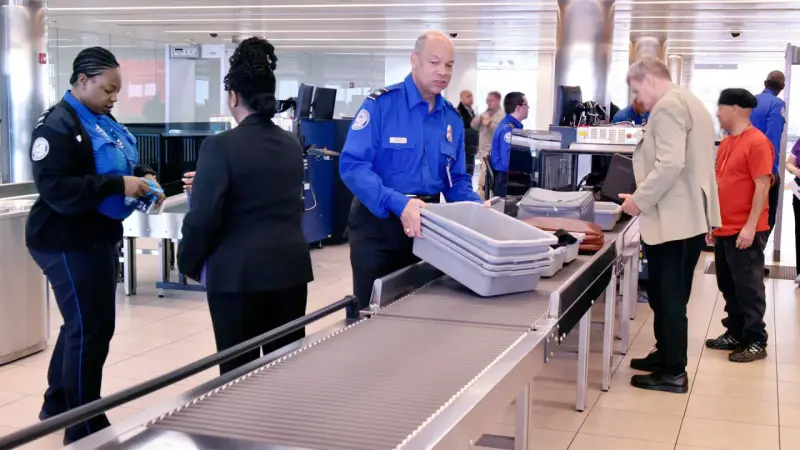
WASHINGTON — Thousands of Transportation Security Administration (TSA) workers across airports nationwide have missed their first paycheck as of late January 2026, due to an ongoing government shutdown, plunging many into immediate financial hardship and raising critical concerns about the nation's airport security. This unprecedented financial strain has left a vital segment of federal employees struggling to meet basic living expenses, forcing difficult choices for families depending on timely wages.
Many TSA officers, who are considered essential personnel, continue to report for duty without compensation, highlighting their commitment to national security despite profound personal sacrifice. One such worker, who requested anonymity to speak candidly, expressed their despair, stating, "I don't want to depend on anybody else. I work hard for my money, and now it's just gone." This sentiment resonates deeply among the tens of thousands affected by the budget impasse.
The financial repercussions are immediate and severe. Rent payments, mortgage installments, grocery bills, and childcare expenses are accumulating for these government employees. Some workers report having to deplete meager savings or rely on charitable organizations and food banks to make ends meet, a situation they never anticipated while serving the public.
This payroll disruption stems from a protracted standoff between Congress and President Donald Trump over appropriations for several federal agencies. The shutdown, which began weeks ago, shows no immediate signs of resolution, leaving federal workers in an agonizing state of uncertainty about when their next payment will arrive.
President Trump has maintained his position on key funding priorities, asserting the need for a comprehensive budget agreement that addresses national security concerns. Meanwhile, congressional leaders have been unable to reach a compromise, leaving crucial government operations, including airport security, operating on an unfunded basis.
TSA workers are integral to safeguarding air travel, conducting rigorous screenings of passengers and baggage at hundreds of airports daily. Their morale and ability to focus, however, are being tested by the severe financial pressure, potentially impacting the efficiency and robustness of security protocols.
Industry experts and aviation advocacy groups have voiced apprehension over the long-term effects of the shutdown on airport operations. Staffing shortages, increased absenteeism due to financial stress, and a potential exodus of experienced personnel could compromise security standards and lead to significant travel disruptions for millions of passengers.
Past government shutdowns have offered glimpses into similar challenges, though the duration and specific impacts vary. In prior instances, federal employees often received back pay once a resolution was reached. However, the current situation’s extended nature amplifies anxiety and diminishes workers' ability to plan or absorb the financial shock.
Union representatives for federal employees, including those representing TSA officers, have intensified their calls for an immediate end to the shutdown, emphasizing the human cost. They advocate for fair treatment of essential workers who cannot legally strike but are nonetheless bearing the brunt of political gridlock.
The dilemma for TSA personnel is stark: continue working without a guarantee of immediate pay or prioritize their family's immediate financial needs. Many feel trapped, caught between their professional obligations and the pressing realities of their household budgets, a situation that underscores the fragility of their financial stability.
As negotiations continue on Capitol Hill, the plight of TSA workers remains a potent symbol of the shutdown's real-world consequences. The nation watches as dedicated public servants, including those tasked with securing its airports, navigate an increasingly precarious financial landscape, hoping for a swift and equitable resolution.