 Chris Robert
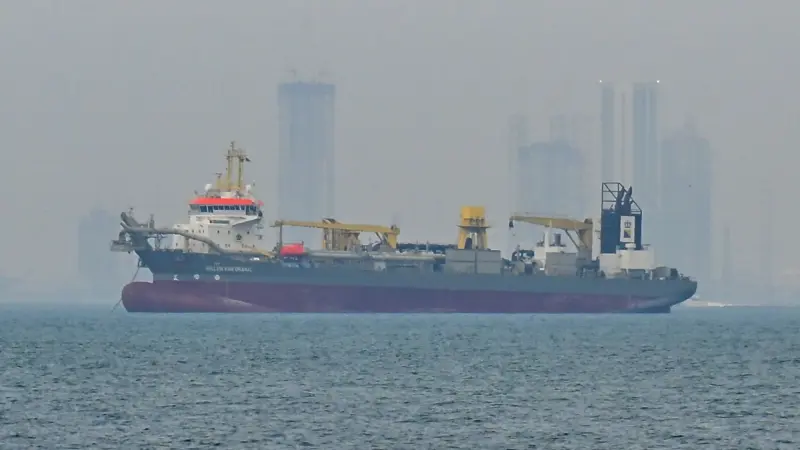
WASHINGTON — International maritime organizations and several global powers are demanding immediate naval escorts for commercial shipping through the Strait of Hormuz, following a sharp escalation in attacks by Iranian forces this week that threaten vital global energy supplies and maritime safety. The concentrated appeal for military protection comes after multiple tankers reported harassment and direct assaults, prompting widespread concern across the shipping industry and international capitals.
The latest wave of incidents, detailed by the US Fifth Fleet and various shipping associations, included several close encounters and at least two successful boardings of commercial vessels by Iran's Islamic Revolutionary Guard Corps Navy (IRGCN) within the narrow chokepoint. These actions, described by analysts as increasingly audacious, have rekindled fears of a broader conflict in a region critical to global trade.
"The situation in the Strait of Hormuz has become untenable," stated Jakob Larsen, head of maritime security for BIMCO, one of the world's largest shipping associations, in a virtual briefing today. "We cannot expect our crews and vessels to operate under such constant threat. A robust, internationally coordinated naval presence is no longer a suggestion; it is a necessity."
President Donald Trump's administration has condemned Iran's actions vehemently, reiterating its commitment to freedom of navigation. White House Press Secretary Sarah Huckabee Sanders, speaking to reporters, called Iran's behavior a clear violation of international law and a direct challenge to global economic stability.
The Strait of Hormuz, a mere 21 miles wide at its narrowest point, is a strategic maritime passage through which approximately one-fifth of the world's total oil consumption, along with significant volumes of liquefied natural gas, passes daily. Disruption to this flow impacts everything from energy prices to manufacturing costs globally.
Calls for escorts have gained significant traction among traditional US allies, including the United Kingdom and France, whose own commercial interests are heavily reliant on the Strait. Both nations have expressed deep apprehension over the latest developments and are reportedly engaged in diplomatic talks regarding a joint response.
Despite the growing consensus for enhanced security, the practicalities of implementing a large-scale escort mission present significant challenges. Questions remain regarding which nations would contribute naval assets, the rules of engagement for such an operation, and the overall command structure.
Iran, through its foreign ministry spokesperson, has maintained that its actions are purely defensive and aimed at protecting its sovereignty and security in the face of what it perceives as provocative foreign military presence. Tehran has repeatedly accused external powers of destabilizing the region.
Energy markets have reacted with volatility, with crude oil prices seeing a notable jump in trading as news of the incidents spread. Shipping insurance premiums for transit through the Persian Gulf have also surged, adding another layer of cost and complexity for commercial operators.
Experts from the Washington-based Atlantic Council warned that a miscalculation or accidental escalation could have catastrophic consequences for the region and the global economy. "The tightrope walk in Hormuz requires extreme diplomatic skill and military restraint, yet the current trend lines suggest a perilous trajectory," noted Dr. Carla Jones, a senior fellow.
The push for escorts recalls previous periods of heightened tension in the Gulf, particularly during the 1980s Tanker War, where US and other naval forces provided protection for shipping. However, the geopolitical landscape of 2026 presents a different set of complexities and actors.
Diplomatic efforts are reportedly underway behind the scenes to de-escalate tensions, but public demands from the shipping industry highlight the perceived inadequacy of current deterrents. The international community grapples with balancing the need for security with the risks of further militarization in the volatile waterway.
The pressure on President Trump's administration to articulate a clear strategy for safeguarding the Strait is intensifying. Any move toward a more robust military presence would undoubtedly be met with strong reactions from Tehran and could potentially reshape regional alliances.