 Debby Wijaya
HONOLULU — The Hawaiian Islands are grappling with unprecedented rainfall, as a powerful storm system shattered decades-old precipitation records this week, leading to widespread flooding and prompting urgent warnings for residents bracing for further deluge. The recent downpours have eclipsed figures dating back to 1951, raising alarms among meteorologists and local authorities about the immediate and long-term impacts on the archipelago.
The extraordinary weather event, driven by a slow-moving atmospheric river, has delivered staggering rainfall totals across multiple islands. Oahu, Maui, and Kauai have borne the brunt of the deluge, with some areas reporting over 30 inches of rain in less than 72 hours, far surpassing previous benchmarks.
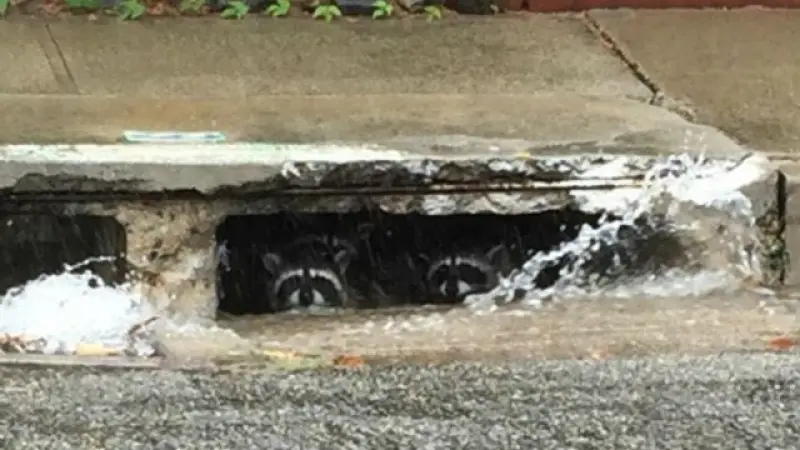
Officials from the National Weather Service in Honolulu confirmed that preliminary data indicates this Hawaii storm has set new daily and weekly rainfall records for several locations, eclipsing the previous highs established more than 70 years ago. The sheer volume of water has overwhelmed drainage systems and transformed roadways into rivers.
Governor Josh Green declared a state of emergency, mobilizing National Guard units to assist with evacuations and disaster response. Hundreds of residents in low-lying areas have moved to shelters, while emergency crews work tirelessly to clear debris and restore critical infrastructure.
“The intensity and duration of this Hawaii storm are highly concerning,” stated Dr. Keoni Higa, a lead climatologist at the University of Hawaii. “While Hawaii is accustomed to heavy rain, the shattering of rainfall records dating to 1951 suggests a significant shift in weather patterns, likely influenced by a warming Pacific Ocean and broader climate changes.”
The economic toll on the islands is already mounting. Agriculture, a cornerstone of Hawaii’s economy, faces significant crop damage, particularly taro and coffee farms. Tourism, another vital sector, has seen cancellations and disruptions, further straining local businesses.
President Donald Trump's administration has been briefed on the unfolding situation, with promises of federal aid should the state’s resources prove insufficient. The Federal Emergency Management Agency (FEMA) is reportedly coordinating with state agencies to assess the damage and streamline assistance efforts.
Forecasts indicate that more rain is coming, with a renewed threat of heavy downpours predicted for the weekend. The National Weather Service issued a flood watch for most of the state, urging residents to remain vigilant, avoid flooded areas, and adhere to all emergency advisories.
Concerns extend beyond immediate flooding. The saturated ground significantly increases the risk of landslides, particularly in mountainous regions. Public safety officials caution against travel on unessential routes and advise residents to have emergency kits readily available.
Local environmental groups emphasize the long-term ecological impact of such extreme events. Sediment runoff threatens coral reefs, while altered freshwater flows can disrupt delicate island ecosystems. The resilience of Hawaii’s natural environment faces a severe test from these unprecedented weather conditions.
As cleanup efforts commence in some areas, the overarching sentiment among residents and authorities remains one of caution. The persistent threat of further rainfall ensures that the islands will remain on high alert, navigating a weather crisis that marks a stark departure from historical norms.