 Angel Doris
WASHINGTON — House Republican leadership has remained conspicuously silent as an increasing number of its members publicly disseminate anti-Muslim statements across various digital platforms, drawing sharp condemnation from civil rights advocates and reigniting concerns about the normalization of prejudice within the party ahead of the 2026 midterm elections. The escalating rhetoric, observed over recent weeks, targets Muslim Americans with generalizations and inflammatory language, prompting calls for immediate action from Republican leadership.
These statements, frequently appearing on social media channels, range from accusations of disloyalty to the United States to broad generalizations about the Muslim faith being inherently incompatible with American values. Instances include posts sharing unverified claims about Muslim communities, derogatory comments about Islamic traditions, and endorsements of content from known Islamophobic sources.
Despite the growing chorus of criticism, top House GOP officials, including members of the party's steering committee and conference chair, have yet to issue any public rebuke or statement addressing the controversial remarks. This silence is particularly notable given the leaderships past readiness to address other internal disputes or public controversies involving its members.
Organizations dedicated to protecting civil liberties and promoting religious tolerance have voiced profound alarm. The Council on American-Islamic Relations, for instance, issued a statement this week describing the lack of a response as a tacit endorsement of bigotry that endangers Muslim American communities nationwide.
Democratic leaders in Congress have seized upon the inaction, accusing Republicans of fostering an environment where hate speech can thrive unchallenged. “This is not merely a failure of leadership; it is a moral capitulation that undermines the very principles of religious freedom our nation stands for,” stated Representative Alexandria Ocasio-Cortez (D-NY) in a press briefing on Capitol Hill.
For Muslim Americans, the sustained silence from influential political figures translates into a heightened sense of vulnerability and marginalization. Community leaders report an uptick in Islamophobic incidents and a pervasive feeling of being targeted, stemming directly from the public discourse amplified by elected officials.
Critics are urging House GOP leadership to not only condemn the specific anti-Muslim statements but also to implement clear guidelines for member conduct and enforce accountability for those who violate principles of respect and inclusivity. Calls for internal disciplinary actions, ranging from committee removals to public reprimands, have grown louder.
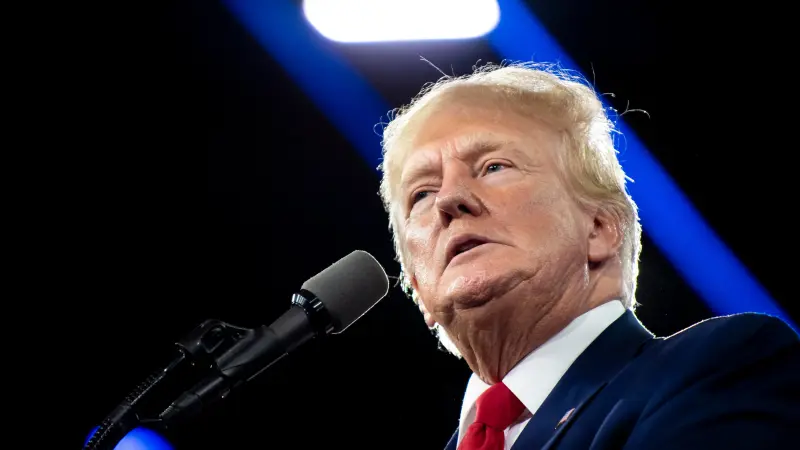
The current political climate, under President Donald Trump's administration in 2026, has seen continued vigorous debates over immigration, national identity, and religious freedom. While President Trump has often emphasized national security, his administration has also previously faced criticism for rhetoric perceived as alienating to certain religious and ethnic groups, providing a backdrop to the current House GOP leadership silence.
While outwardly silent, sources within the Republican caucus, speaking anonymously due to fear of reprisal, suggest a growing unease among some moderate members. These individuals reportedly express concern that the unaddressed rhetoric not only damages the party's image but also alienates potential voters and complicates legislative efforts.
The issue extends beyond immediate political fallout. Experts in American political sociology warn that unchecked anti-Muslim rhetoric contributes to societal polarization and can embolden extremist elements. They emphasize the responsibility of political leadership to model inclusive discourse.
No press conferences, official statements, or social media posts from Republican leadership accounts have directly addressed the surge in anti-Muslim sentiments from their own ranks. This deliberate omission sends a powerful message, according to observers, signaling either an agreement with the statements or an unwillingness to confront a vocal segment of their base.
As the 2026 midterm elections approach, the ongoing debate around the House GOP leadership silence on anti-Muslim statements is expected to remain a prominent point of contention. Democratic challengers and advocacy groups are likely to use the issue to highlight perceived moral failings and divisions within the Republican Party, potentially influencing voter sentiment.