 Angel Doris
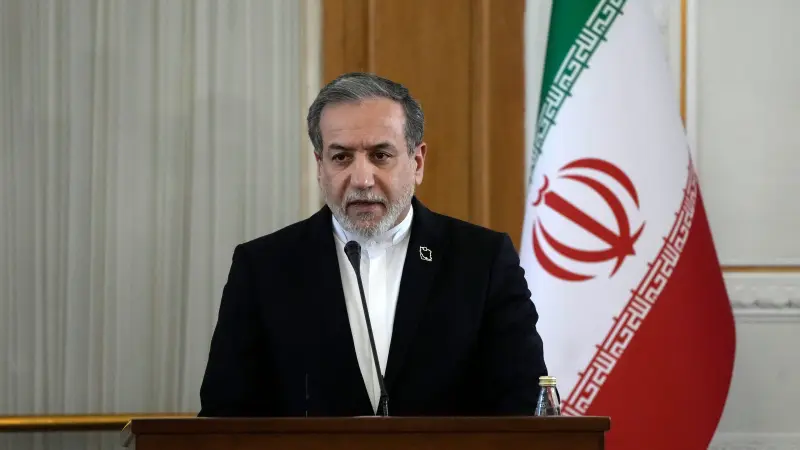
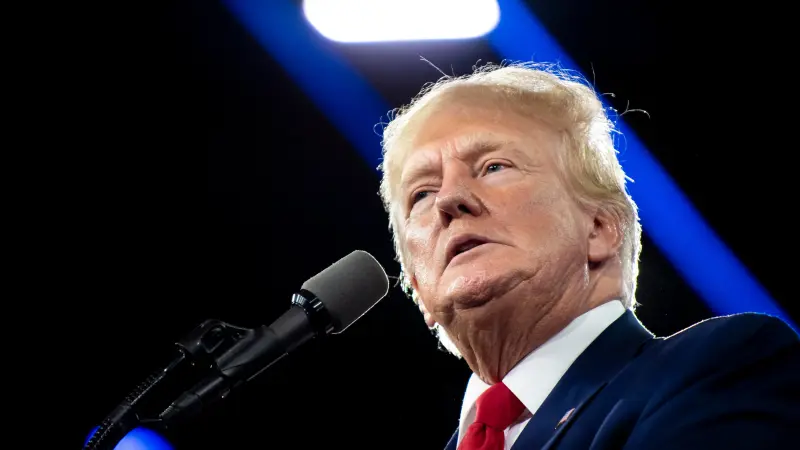
WASHINGTON — President Donald Trump today announced a pivotal diplomatic initiative, revealing that a contingent of US negotiators will travel to Pakistan for high-stakes discussions aimed at de-escalating tensions with Iran. The unexpected move signals a renewed push for dialogue concerning Tehran's nuclear ambitions and its role in regional security, utilizing Pakistan as a neutral intermediary.
The White House confirmed the decision follows weeks of back-channel communications and a direct request from President Trump to explore all avenues for a peaceful resolution. This marks a significant shift in strategy, bypassing traditional European mediators in favor of a direct engagement facilitated by an emerging regional player.
The team, expected to depart within the week, will comprise senior State Department officials, national security advisors, and experts on nuclear non-proliferation. Their mandate is to lay the groundwork for potential face-to-face negotiations with Iranian representatives, focusing on a comprehensive framework for de-escalation.
President Trump emphasized the urgency of these talks during a press briefing, stating, “We need to talk. Iran needs to talk. Pakistan has graciously offered to host, and we believe this is a credible path forward to prevent further instability. We are sending our best people to negotiate with Iran.”
Sources familiar with the preparations indicate the primary objectives include a robust verification mechanism for Iran's nuclear program, a cessation of support for proxy forces in the Middle East, and a general commitment to regional peace. The talks are not expected to be a swift resolution but rather the beginning of a complex diplomatic process.
Pakistan's Prime Minister, who spoke with President Trump last week, expressed cautious optimism regarding the role his nation could play. He highlighted Pakistan's long-standing policy of fostering regional stability and its unique position to bridge diplomatic gaps between Washington and Tehran.
The decision to engage in these Trump says US negotiators to head to Pakistan for Iran talks comes amid persistent international concerns over Iran's uranium enrichment activities and a volatile geopolitical landscape in the Persian Gulf. Previous attempts at multilateral diplomacy have yielded limited progress, prompting the administration to seek alternative approaches.
Analysts suggest that the choice of Pakistan as a venue is strategic, reflecting its burgeoning relationship with both the United States and various Middle Eastern nations. Its geographic proximity to Iran and its diplomatic ties make it an attractive, albeit unconventional, choice for such sensitive discussions.
Critics, however, voiced skepticism, questioning the efficacy of bilateral talks outside established international frameworks. Some congressional leaders urged the administration to coordinate closely with European allies and the United Nations Security Council to ensure any potential agreement holds international legitimacy.
Nevertheless, the announcement has garnered measured support from several international bodies, which view any direct communication between the two adversaries as a positive step. The hope is that these discussions could pave the way for a more stable and predictable future in one of the world's most critical regions.
The US negotiating team faces an arduous task, navigating decades of mistrust and complex geopolitical dynamics. Their success hinges on their ability to find common ground and establish confidence-building measures that can lead to more substantive engagement between Washington and Tehran.
The initial phase of talks is expected to focus on agenda-setting and procedural matters, laying the groundwork for more detailed discussions on key contentious issues. Both sides are under immense pressure to demonstrate flexibility and a genuine commitment to diplomatic solutions. This diplomatic gambit by President Trump underscores a determination to use non-military means to address enduring foreign policy challenges.
The international community will closely monitor the developments in Pakistan, hoping this direct engagement will yield tangible results that avert further escalation and contribute to long-term peace in the Middle East.