 Angela Stefani
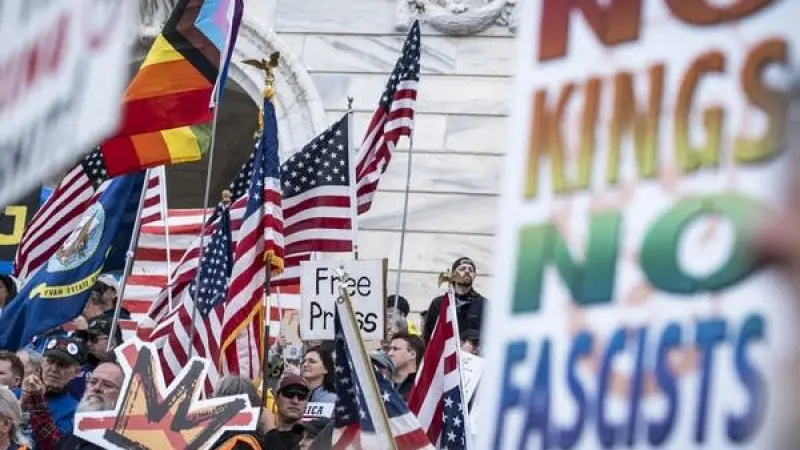
WASHINGTON — A wave of "No Kings" rallies has swept across key battleground states in recent weeks, injecting a potent, often unpredictable, dynamic into the rapidly approaching 2026 midterm elections. These grassroots demonstrations, organized by a diverse coalition of activists and concerned citizens, aim to articulate deep-seated public discontent with the perceived concentration of political power and advocate for systemic reforms to bolster democratic accountability. The movement’s rising prominence demands close scrutiny as candidates finalize their campaign strategies.
The rallies, characterized by their decentralized leadership and a shared ethos of challenging entrenched authority, have drawn considerable attention from political observers and party strategists alike. Organizers emphasize that their message transcends traditional partisan divides, focusing instead on principles of transparency, responsiveness, and equitable governance. This broad appeal has allowed the movement to resonate with disaffected voters from across the political spectrum.
One significant takeaway from these events is the palpable surge in grassroots voter engagement. Unlike traditional campaign rallies that often feature elected officials, "No Kings" events are community-driven, fostering direct participation and robust dialogue among attendees. This bottom-up approach appears to be activating segments of the electorate previously disengaged or disillusioned with the political process.
"The energy at these rallies is unmistakable," stated Dr. Evelyn Reed, a political science professor at Georgetown University. "It is not just about protesting; it is about demanding a fundamental reorientation of power. People are feeling heard, and that translates directly into increased motivation to participate in the upcoming midterms."
Reed noted that this heightened engagement could significantly alter turnout projections in several closely watched races, forcing campaigns to recalibrate their ground operations and messaging strategies to capture this emerging enthusiasm.
A second key takeaway involves the shifting narratives dominating the political discourse. The "No Kings" movement has successfully pushed issues like campaign finance reform, term limits, and a reevaluation of executive authority to the forefront of public debate. These topics, sometimes sidelined by more partisan squabbles, are now central to how candidates are being evaluated by a vocal segment of the electorate.
Candidates vying for congressional seats, state legislatures, and governorships are finding themselves under increased scrutiny. This constitutes the third major takeaway. Voters at "No Kings" events are not merely seeking assurances; they are demanding concrete commitments to reforms that align with the movement's principles. This pressure forces candidates to articulate clear stances on governance issues beyond their party platforms, risking voter alienation if they fail to adequately address these concerns.
The movement’s influence is particularly evident in closely contested races, where a motivated bloc of "No Kings" supporters could tip the scales. Campaign managers are carefully monitoring attendance and sentiment at these rallies, attempting to gauge their impact on the broader electorate. The traditional campaign playbooks are being updated to account for this new, potent force.
A fourth takeaway highlights specific policy demands emerging from the rallies. Beyond general calls for accountability, attendees frequently advocate for measures such as independent redistricting commissions, greater protection for whistleblower actions, and stricter ethical guidelines for public officials. These are not abstract ideals; they are tangible policy planks that could shape legislative agendas in the next Congress.
The fifth and perhaps most profound takeaway is the potential for these rallies to influence existing party dynamics. While officially non-partisan, the "No Kings" movement implicitly challenges the established order of both major parties. It signals a growing appetite among voters for alternatives to what they perceive as political stagnation and self-serving governance, potentially leading to realignments or the emergence of new political forces in the long term.
The energy emanating from the "No Kings" rallies serves as a stark reminder that the American electorate is dynamic and constantly evolving. As the 2026 midterm elections loom, the persistent calls for change from these grassroots movements will undoubtedly continue to shape campaign narratives, challenge incumbent politicians, and potentially redefine the very landscape of American politics. The impact of these movements extends far beyond the streets, resonating in polling booths across the nation.