 Dorry Archiles
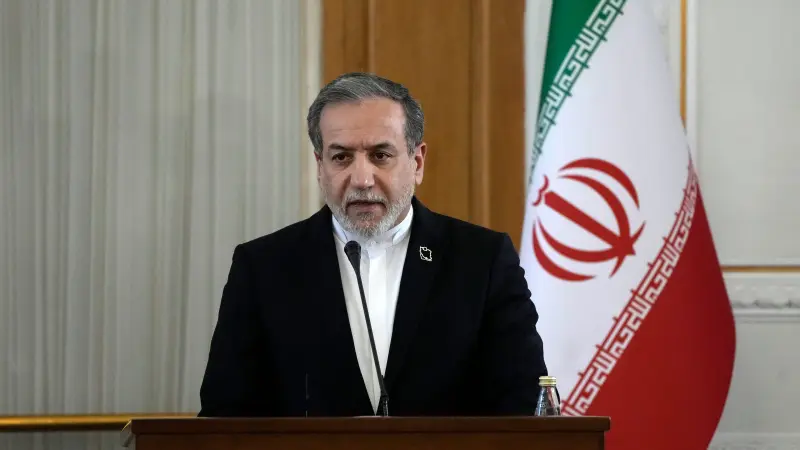
WASHINGTON — A significant breach in the U.S.-led maritime blockade against Iran has unexpectedly led to the resumption of direct talks between the Trump administration and Tehran, sources close to the diplomatic initiative confirmed today. The development follows reports that an unidentified vessel successfully navigated through the multinational naval cordon in the Persian Gulf, challenging the efficacy of President Donald Trumps stringent policy.
This surprising turn of events has forced a strategic reassessment within the White House regarding its assertive stance toward the Islamic Republic. The clandestine passage of the ship, the details of which remain under tight wraps, appears to have created an unanticipated diplomatic opening, prompting both sides to explore de-escalation avenues after months of heightened regional tensions.
President Trump, who has consistently advocated for maximum pressure on Iran through economic sanctions and naval deterrents since taking office, is now reportedly engaging in high-level discussions aimed at understanding and leveraging this new dynamic. White House officials remained tight-lipped, but senior State Department figures indicated a willingness to engage if genuine pathways to stability could be established.
The U.S.-led blockade, implemented to prevent the flow of illicit goods and to isolate Tehran financially, has been a cornerstone of American foreign policy in the Middle East. Its apparent circumvention by a vessel, however small or inconsequential its cargo, raises questions about the long-term viability and logistical challenges of such broad maritime enforcement.
Diplomatic channels, which had been largely dormant since the initial imposition of the blockade, were reactivated in recent days through undisclosed intermediaries. These initial conversations reportedly focused on the immediate implications of the blockade breach and potential steps both nations could take to prevent further escalations in the volatile region.
Analysts suggest the incident may represent a face-saving opportunity for both sides. For Iran, demonstrating an ability to bypass restrictions could strengthen its negotiating position. For the United States, engaging in talks, even under these circumstances, could be framed as a pragmatic response to evolving geopolitical realities, potentially averting a larger conflict.
Regional allies of the United States, including Saudi Arabia and Israel, are closely monitoring the situation. Their reactions to the resumption of talks, especially given the perceived failure of the blockade, will be crucial in shaping the broader regional response to any potential diplomatic breakthroughs with Iran.
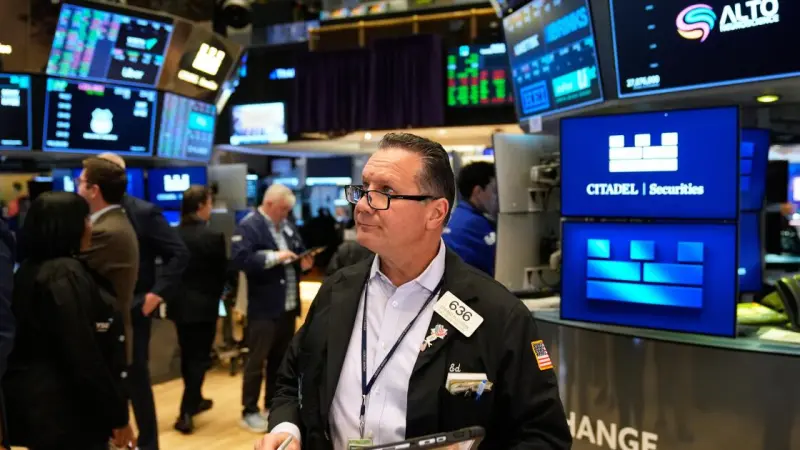
The implications for global energy markets are also significant. Any de-escalation of tensions in the Persian Gulf, a vital shipping lane for oil, could lead to increased stability and potentially impact crude prices, which have been volatile amidst the prolonged standoff.
While details of the renewed dialogue remain scarce, the very act of sitting at the negotiating table signifies a notable shift from the previous policy of non-engagement. The international community, long anxious about the potential for conflict in the Middle East, will be watching closely for concrete outcomes.
The immediate challenge for negotiators will be to establish a framework for continued discussion that addresses core security concerns without undermining either nations sovereignty or strategic objectives. The future of U.S.-Iran relations, and indeed regional stability, hinges on the careful navigation of these complex diplomatic waters.