 Edward DP Situmorang
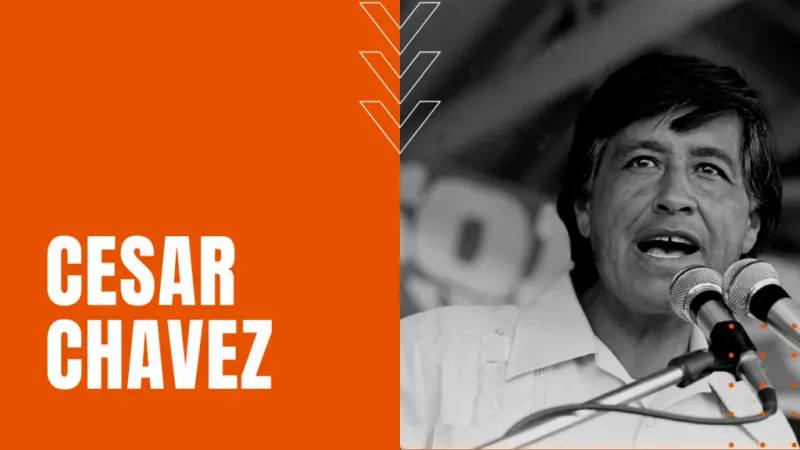
DENVER — A secretive mountain compound, home to a burgeoning religious sect led by the enigmatic figure known as Cesar Chavez, is drawing significant federal and local law enforcement attention amid mounting concerns over potential indoctrination and isolation of its members. Located deep within a rugged, undisclosed region of the Colorado Rockies, the commune, often referred to as The Cult of Cesar, has for years operated largely beneath the public radar, but recent developments have thrust its controversial practices into sharp focus.
Authorities confirm they are actively monitoring the heavily fortified compound after several former adherents came forward with unsettling accounts of rigid control, psychological manipulation, and financial exploitation. These new allegations paint a disturbing picture of life within the isolated community, governed by Chavez's self-styled prophecies and interpretations of ancient texts.
Cesar Chavez, who rose to prominence approximately a decade ago through online sermons and private gatherings, claims to possess divine insight, positioning himself as a modern-day prophet destined to guide his followers through an impending societal collapse. His teachings, a syncretic blend of apocalyptic theology and self-sufficiency, appeal to individuals seeking refuge from mainstream society, particularly those disillusioned by political and economic instability.
The compound itself is a sprawling complex, reportedly equipped with extensive surveillance systems, a perimeter fence, and armed guards, making external access exceptionally difficult. Sources close to ongoing investigations indicate that followers surrender all personal assets upon joining, committing their lives and fortunes to Chavez and his self-sustaining vision.
Recent intelligence suggests an increase in membership, prompting renewed scrutiny from federal agencies, including the FBI. While the group maintains it is a sovereign religious community exercising its constitutional rights, law enforcement is keenly aware of the historical precedents set by similar isolated sects that have escalated into dangerous confrontations.
Authorities emphasize that their current posture is one of observation and intelligence gathering, seeking to ensure the safety and well-being of individuals residing within the compound, particularly children. Concerns regarding child welfare and potential denial of essential services are among the top priorities for investigators.
Dr. Elaine Sterling, a leading sociologist specializing in cult dynamics at the University of Colorado, Boulder, described The Cult of Cesar as exhibiting several hallmark characteristics of high-control groups. "The charismatic leader, the isolation from external information, the demand for absolute loyalty, and the apocalyptic worldview are all classic indicators," Sterling explained during a recent seminar.
Former member Maria Rodriguez, who escaped the compound eight months ago, recounted a pervasive atmosphere of fear and unquestioning obedience. "Cesar controlled everything: what we ate, what we wore, even who we spoke to. He convinced us the outside world was evil, a den of temptation designed to corrupt our souls," Rodriguez told Cognito Daily in an exclusive interview.
Legal experts note the delicate balance law enforcement must strike when dealing with groups asserting religious freedom. Any direct intervention without clear evidence of criminal activity or immediate danger could be challenged in court, making a thorough and meticulous investigative approach paramount.
The increasing visibility of The Cult of Cesar serves as a stark reminder of the enduring presence of such insular communities across the United States. As federal agencies continue their cautious oversight, the remote Colorado mountains hold secrets that only time and careful investigation can fully unravel, leaving the fate of Chavezs followers uncertain.