 Demian Sahputra
JERUSALEM — A Houthi missile attack targeting southern Israel this week has immediately reignited fears of widespread disruption to vital Red Sea shipping lanes, prompting international alarm and promises of swift retaliation. The projectile, launched from Houthi-controlled territory in Yemen, was intercepted by Israel's advanced air defense systems, averting direct impact but underscoring the severe escalation of regional tensions and the persistent threat to maritime commerce.
The Israel Defense Forces confirmed the interception of a long-range ballistic missile, which appeared to be targeting the southern port city of Eilat. Military officials stated the interception occurred outside Israeli airspace, a testament to the multilayered defense capabilities designed to protect the nations strategic assets and civilian populations.
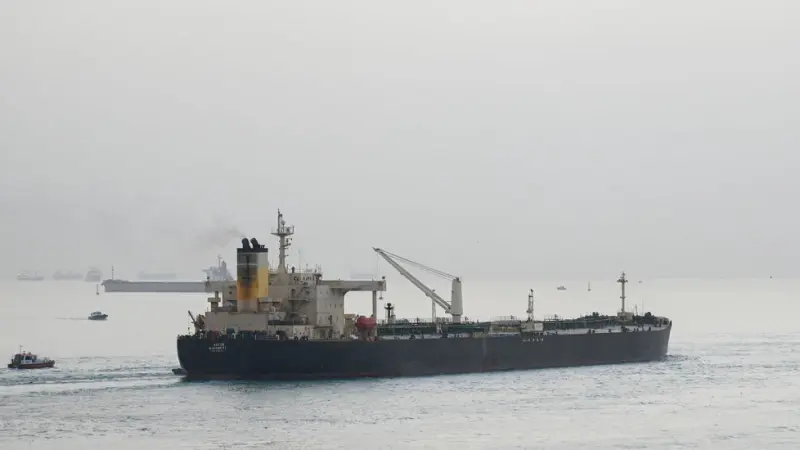
The incident instantly sent ripples through the global shipping industry, with major maritime insurers reportedly reviewing risk assessments and raising premiums for vessels traversing the Bab-el-Mandeb Strait. Several shipping companies are already considering costly rerouting options around the Cape of Good Hope, a measure reminiscent of previous periods of intense Houthi aggression.
International condemnation was swift, with numerous nations calling for an immediate de-escalation. The United Nations Security Council is expected to convene an emergency session to discuss the escalating crisis and potential responses to safeguard one of the worlds most critical maritime choke points.
President Donald Trumps administration, long a vocal critic of Houthi actions, condemned the attack as a clear act of aggression threatening global economic stability. A White House spokesperson indicated that the United States is evaluating all available options to deter further provocations and ensure freedom of navigation in international waters.
Analysts quickly linked the strike to broader regional geopolitical dynamics, particularly the ongoing shadow war involving Iran and its proxies. While the Houthis claim autonomous action, intelligence agencies often point to Tehrans material and ideological support as a critical enabler of the groups capabilities and strategic objectives.
The Yemen-based Houthi movement has repeatedly asserted its right to target Israeli interests and vessels perceived to be associated with Israel, citing solidarity with Palestinians. This recent missile launch marks a significant expansion of their operational reach and a clear signal of their intent to continue disrupting maritime traffic until their demands are met.
The economic ramifications of prolonged Red Sea instability are substantial. Global supply chains, still reeling from recent disruptions, face renewed pressure as transit times increase and shipping costs surge. This could translate into higher consumer prices and inflationary pressures across various economies.
Diplomatic efforts are intensifying to avert a wider regional confrontation. Several European and Arab nations are reportedly engaging in back-channel communications, urging restraint from all parties and seeking guarantees for the safety of commercial shipping in the Red Sea.
Dr. Elena Petrova, a maritime security expert at the Royal Institute of International Affairs, commented on the gravity of the situation. "This Houthi missile attack on Israel is not merely an isolated incident; it signifies a deliberate attempt to internationalize the conflict and exert leverage over global trade routes," she stated in an exclusive interview. "The world cannot afford to ignore this escalating threat."
The immediate future of Red Sea shipping remains precarious, contingent on the effectiveness of deterrence measures and the willingness of regional actors to de-escalate. The international community faces a renewed challenge in protecting critical trade arteries while navigating the complex web of Middle Eastern power struggles.