 Stefani Rindus
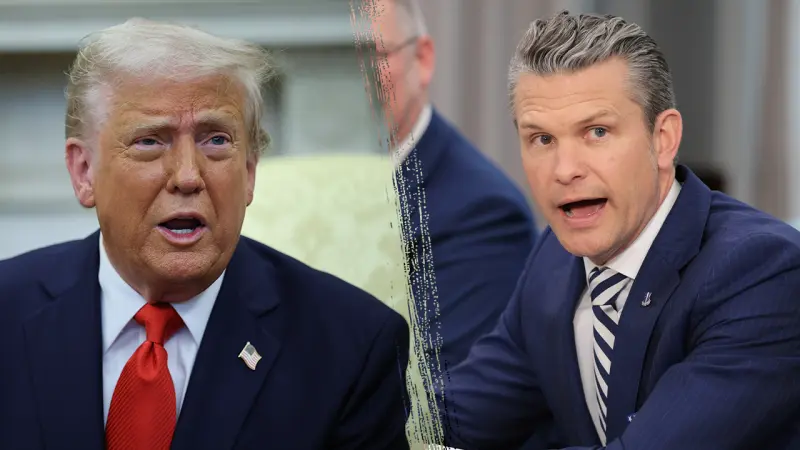
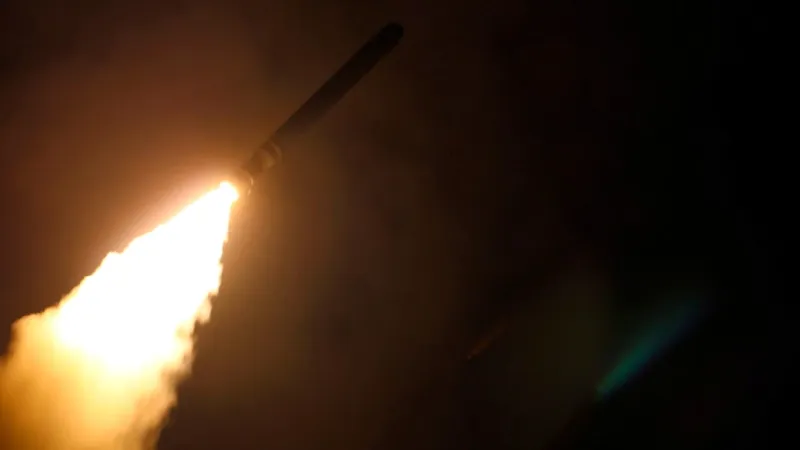
WASHINGTON — Pete Hegseth, a well-known media personality, announced today that the United States is preparing to deploy its “largest strike package yet” against Iran, indicating a significant escalation in the protracted conflict.
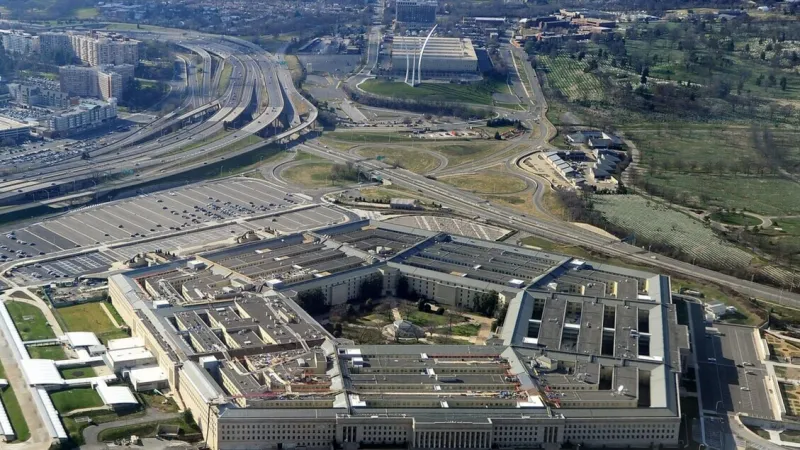
Hegseth made the assertion during a morning broadcast, specifying the operation was imminent and expected to unfold within the day. His comments immediately reverberated across political and defense circles, though no official confirmation or denial has emerged from the White House or the Pentagon by midday.
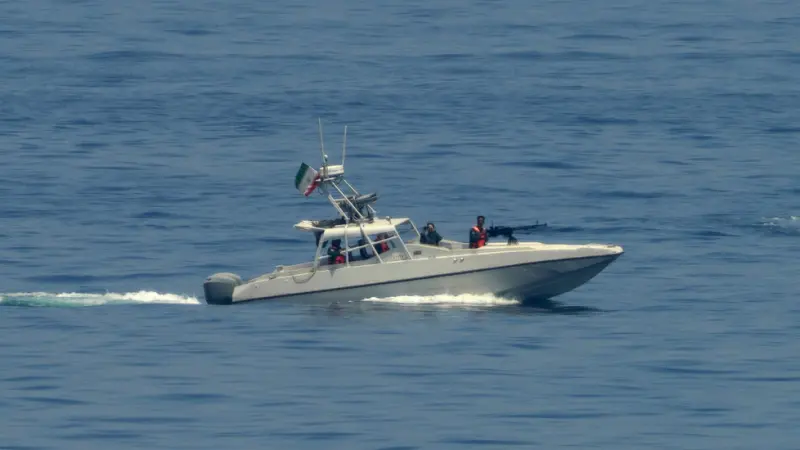
This potential military action follows a period of heightened tensions and a series of retaliatory strikes between the two nations, which have seen increased maritime incidents and cyber warfare alongside conventional military engagements.
President Donald Trump has consistently maintained a firm stance against what his administration describes as Iran's destabilizing activities in the Middle East. While details of any impending strike package remain undisclosed, the magnitude suggested by Hegseth points to a substantial shift in strategy or response to a specific, undisclosed provocation.
Analysts are keenly observing the situation, with many suggesting that such an extensive strike could aim to significantly degrade Iran's military infrastructure or deter further actions by Tehran in the region. The economic ramifications for global oil markets and regional stability would also be considerable.
Previous US military engagements in the region have typically involved targeted strikes on specific facilities or militant groups linked to Iran. A “largest strike package yet” suggests a broader scope, potentially encompassing multiple targets across various domains.
The White House Press Secretary declined to comment on Hegseth's remarks, adhering to a policy of not discussing ongoing or prospective military operations. However, the lack of an outright refutation has only intensified speculation among defense correspondents and foreign policy experts.
Regional allies of the United States are reportedly on high alert, preparing for potential Iranian counter-responses that could destabilize an already volatile Middle East. Diplomacy efforts, which have largely stalled, face further challenges should these strikes materialize.
Iran has repeatedly warned against any aggressive actions from the United States, vowing swift and decisive retaliation. The potential for a wider regional conflict remains a grave concern for international bodies and neighboring countries.
Members of Congress have called for greater transparency regarding military engagements in the region. While President Trump holds broad authority for such actions, a significant escalation would likely prompt increased scrutiny and debate on Capitol Hill regarding US foreign policy in the Persian Gulf.
The international community has largely urged both sides to de-escalate tensions and seek diplomatic solutions to the enduring impasse. An operation of the scale suggested by Hegseth would undoubtedly draw strong reactions from global powers and further strain international relations.
As the day progresses, observers anticipate further developments, with military analysts dissecting every piece of information for clues on the scope and targets of any forthcoming US military action against Iran. The world watches for what could be a pivotal moment in the ongoing conflict.