 Chandra Wijayanto
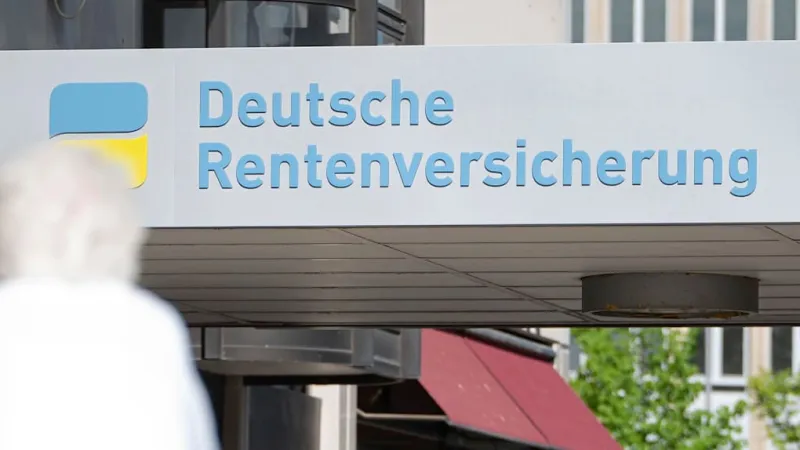
BERLIN – The Deutsche Rentenversicherung, Germany's colossal national pension insurance institution, faces intense scrutiny over accusations it operates as a "bureaucracy monster" consuming billions in taxpayer funds annually. Recent deliberations by the German Pension Commission have centered on drastic structural reforms and expenditure reductions, directly targeting the numerous executive boards and oversight committees currently deemed excessive.
The criticisms stem from a growing concern within political circles and among financial watchdogs that the vast administrative apparatus of the Deutsche Rentenversicherung has become inefficient and disproportionately costly. Critics contend that the institution's organizational complexity hinders agile decision-making and diverts substantial resources from its core mission of providing retirement security for millions of Germans.
Annually, the Deutsche Rentenversicherung manages a budget reaching hundreds of billions of euros, primarily funded by mandatory contributions from employees and employers, supplemented by significant state subsidies. The accusations of inefficiency suggest that a considerable portion of these vital funds is absorbed by administrative overhead rather than directly benefiting current and future pensioners.
The Pension Commission, a high-level body tasked with safeguarding the long-term viability of Germany's pension system, has reportedly placed the Deutsche Rentenversicherung's internal structure high on its agenda. Its mandate includes identifying areas for potential savings and streamlining operations to ensure the system remains robust for future generations amidst an aging demographic.
Sources close to the commission indicate that proposed reforms specifically target the institution's multitude of board members and committees. The rationale suggests that a leaner administrative structure could yield significant savings, reallocating funds to more critical areas or mitigating the need for future contribution increases.
Implementing such cuts, however, is expected to encounter considerable resistance. The Deutsche Rentenversicherung, with its deeply entrenched structures and considerable influence, represents a significant political and economic force within Germany. Any move to reduce its internal staff or alter its governance would likely trigger a robust debate.
Observers point to a long-standing pattern of public institutions facing similar critiques regarding administrative bloat. The scale of the Deutsche Rentenversicherung, however, amplifies the financial stakes, making its reform a central concern for the nation's fiscal health and social cohesion.
Economists warn that unchecked bureaucratic expenditure places an undue burden on German workers and businesses, who are already grappling with high social security contributions. Streamlining the pension administration could potentially free up capital for investment or reduce the pressure on the national budget.
Politically, the push for reform is gaining traction across the spectrum, with various parties advocating for greater transparency and efficiency in public spending. The current government faces increasing pressure to demonstrate fiscal responsibility and optimize the use of public funds across all sectors.
In essence, the challenge lies in balancing the need for efficient administration with maintaining robust oversight and democratic accountability within a critical social security institution. Striking this balance will be crucial for the success of any reform efforts undertaken by the Pension Commission.
The reforms proposed are not merely about financial rectitude; they also address public trust. Ensuring that every euro contributed to the pension system is utilized optimally can reinforce confidence in state institutions and the social contract they represent.
This effort to reform the Deutsche Rentenversicherung reflects a broader European trend toward re-evaluating the efficiency of large public sector entities. As populations age and economic pressures mount, governments increasingly seek innovative ways to ensure the sustainability of social welfare programs.
Looking ahead, the Pension Commission's recommendations will carry significant weight. Their final proposals are anticipated to form the basis for legislative action aimed at overhauling the sprawling pension administration and securing its financial future. The outcome will inevitably shape the landscape of German social policy for decades to come.