 Angela Stefani
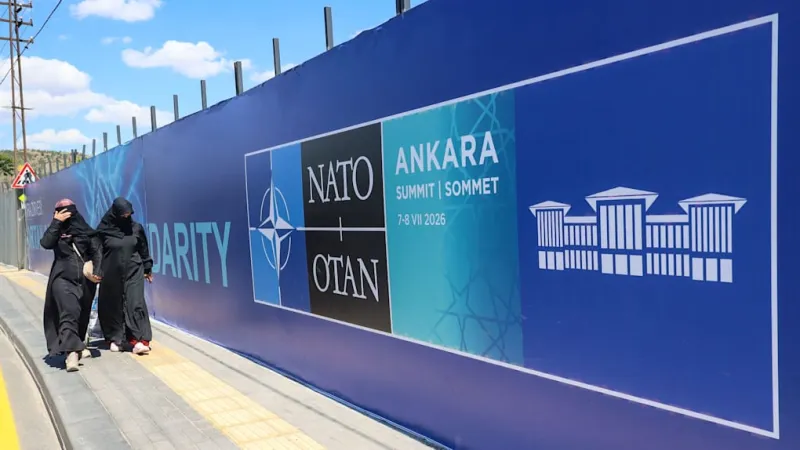
ANKARA – Turkish authorities have detained 178 individuals, including teachers, trade unionists, and journalists, on terrorism charges in a widespread crackdown across the nation. These pre-emptive arrests occurred in the days leading up to a crucial NATO summit scheduled to convene in the capital, Ankara, on July 7 and 8, sparking international concern over press freedom and human rights.
The sweeping operation saw security forces conduct raids in multiple cities, apprehending those suspected of links to various alleged terrorist organizations. While Turkish officials assert the actions are essential for national security, critics argue that the broad application of anti-terrorism laws frequently targets government opponents and dissenting voices, rather than genuine threats.
The NATO summit itself carries significant geopolitical weight, bringing together heads of state and government from the alliance member countries to discuss pressing security challenges. The timing of these mass arrests immediately before such a high-profile international gathering is noteworthy, potentially intended to project a strong stance on security domestically and internationally.
Among those taken into custody are numerous educators, who have often been a focal point of government scrutiny in past crackdowns. Trade unionists, another group frequently associated with organized dissent, also comprise a significant portion of the detained. Perhaps most critically, several journalists were arrested, further intensifying worries among international media watchdogs about the state of press freedom in Turkey.
Human rights organizations and advocacy groups have swiftly condemned the detentions, calling for transparency and due process. They emphasize a pattern of authorities using vague terrorism accusations to silence criticism and curtail fundamental freedoms, asserting that such actions undermine the rule of law and democratic principles.
This recent wave of arrests echoes previous extensive crackdowns, particularly those that followed the attempted coup in 2016. In the years since, tens of thousands of individuals have been arrested, and many more dismissed from public service, under broad anti-terrorism investigations. President Recep Tayyip Erdogan's government has consistently maintained these measures are necessary to combat threats from groups such as the Kurdistan Workers Party (PKK) and the Gulen movement, which Ankara designates as terrorist organizations.
However, the perceived arbitrary nature of some arrests and the lack of concrete evidence presented in many cases have led to persistent criticism from Western allies and international bodies. The definition of terrorism in Turkish law is often critiqued for its expansiveness, allowing for the prosecution of individuals for expressing views deemed critical of the state.
The implications for Turkey's relationship with its NATO partners are substantial. The alliance, founded on principles of democracy, individual liberty, and the rule of law, finds itself in a delicate position when a member state undertakes such widespread detentions. Discussions at the upcoming Ankara summit will undoubtedly be influenced by these developments, potentially straining diplomatic relations.
Indeed, European leaders have been grappling with evolving geopolitical dynamics, including navigating relations with key partners and preparing for shifts in global leadership, as highlighted by discussions on how European Leaders Brace for Trump Presidency. Such internal actions by a NATO member complicate the alliance's collective stance on human rights and democratic values.
The targeting of journalists is particularly alarming for international observers. A free press is considered a cornerstone of any democratic society, and the detention of reporters often signals a severe curtailment of public discourse and oversight. These actions threaten to further erode public trust and limit the flow of independent information within Turkey.
As the NATO summit approaches, the international community will be closely watching for further developments regarding the detained individuals and any official statements from Turkish authorities or alliance leaders addressing these profound human rights concerns. The arrests cast a long shadow over Ankara's role as host, challenging the very values NATO purports to uphold.