 Angel Doris
COPENHAGEN – A burgeoning phenomenon known as screen tourism, or set-jetting, is significantly bolstering Denmark's travel industry, as visitors from around the globe seek to immerse themselves in the real-world settings of their favorite films and television series. This burgeoning trend transforms cinematic landscapes into tangible destinations, drawing fans to the Scandinavian nation in unprecedented numbers.
This form of experiential travel, which sees tourists specifically choosing destinations based on their appearances in beloved screen productions, has become a potent force in modern tourism. Denmark, with its rich cultural heritage and dramatic natural backdrops, has proven particularly fertile ground for such excursions.
The appeal extends across a diverse range of genres and time periods, with sagas depicting ancient Norse warriors to contemporary political thrillers captivating international audiences. The desire to walk in the footsteps of beloved characters or stand amidst memorable scenes now directly translates into significant economic benefits for the Danish tourism sector.
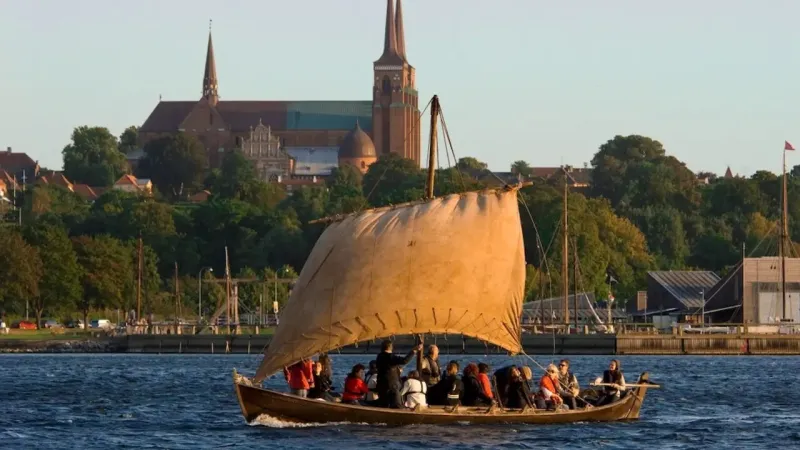
Among the most influential productions driving this surge is the historical drama Vikings. Filmed largely in Ireland but drawing heavily on Norse mythology and Danish history, the series has inspired many to explore Denmark's Viking-era sites, museums, and reconstructed villages, eager to connect with the heritage depicted on screen.
Conversely, the acclaimed political drama Borgen has propelled the modern face of Copenhagen into the global spotlight. Fans of the series often seek out key governmental buildings, charming city streets, and even specific cafes featured in the show, eager to experience the sophisticated urban environment central to its narrative.
This confluence of historical allure and contemporary drama positions Denmark uniquely to capitalize on screen tourism. Beyond these two giants, other Nordic noir productions and family-friendly Danish films subtly contribute to a broader fascination with the countrys distinctive atmosphere and aesthetics.
The mechanics of set-jetting are often fueled by social media, where travelers share their experiences, further inspiring others. Travel agencies and local tourism boards are increasingly recognizing and leveraging this potent marketing tool, developing specialized tours and itineraries tailored to eager fans.
While the immediate economic uplift from increased tourist arrivals is undeniable, screen tourism also offers a powerful form of cultural diplomacy. It introduces Denmark's landscapes, history, and contemporary society to a global audience, fostering a deeper appreciation and understanding of the nation.
Industry analysts note that the phenomenon is part of a larger trend in entertainment-driven travel, where cultural consumption directly influences vacation choices. Just as film festivals celebrate restored cinematic masterpieces, the public's engagement with on-screen narratives extends to visiting their physical locations, creating a cyclical relationship between content and tourism. For those interested in the broader world of film, exploring events such as Venice Classics Unveils 19 Restored Cinematic Masterpieces showcases the enduring power of visual storytelling.
As streaming services continue to proliferate and international productions gain wider traction, Denmark's proactive embrace of set-jetting ensures it remains a prime destination for culture enthusiasts and avid viewers alike. The future of Danish tourism appears increasingly intertwined with the captivating power of the silver screen and streaming platforms.