 Angela Stefani
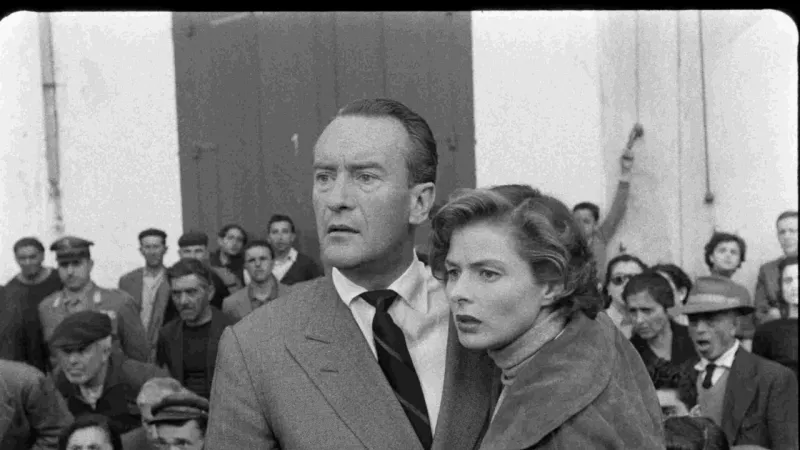
Venice, Italy – The highly anticipated Venice Classics section of the Mostra, the renowned Venice International Film Festival, is set to captivate cinephiles and critics alike with the world premiere of 19 meticulously restored films. This significant undertaking aims to preserve and reintroduce pivotal works from cinematic history, spanning a diverse range of eras and directors, from legendary figures like Ernst Lubitsch to contemporary Italian masters such as Daniele Ciprì and Franco Maresco.
These 19 films represent a global effort to safeguard precious cinematic heritage, bringing forgotten or compromised masterpieces back to their original splendor. Each restoration project involved intricate work, often leveraging advanced digital technologies alongside traditional photochemical methods, to address issues ranging from color degradation to sound imperfections.
The Venice Classics section has become a cornerstone of the festival, dedicated exclusively to the presentation of restored films and documentaries about cinema. Its mission resonates deeply with the festival's overarching goal of celebrating film as an art form and acknowledging its historical importance.
The selection for this year underscores the breadth of cinematic art, showcasing works that have influenced generations of filmmakers and captivated audiences worldwide. These carefully chosen titles highlight moments of innovation, artistic courage, and cultural impact from various national cinemas.
The inclusion of a director of Ernst Lubitsch's stature immediately signals the caliber of the program. Lubitsch, celebrated for his sophisticated comedies and unique touch, represents a golden age of Hollywood and European filmmaking, demonstrating the global reach of this initiative.
Contrasting Lubitsch's era, the presence of works by Daniele Ciprì and Franco Maresco points to a more recent, yet equally vital, period of Italian cinema. Their distinct, often provocative, style ensures the selection is not merely a nostalgic journey but a comprehensive look at film's evolving artistic expressions.
Film restoration is a painstaking process, demanding significant resources and specialized expertise. Experts must meticulously research original materials, reconstruct missing frames, repair physical damage, and digitally enhance images and sound without altering the films original artistic intent. The reward is a refreshed viewing experience for both new and returning audiences.
For younger generations, these restored films offer an invaluable opportunity to engage with cinematic history in a quality that was previously unavailable. It allows them to appreciate the genius of past filmmakers, understanding the roots from which contemporary cinema has grown.
The Venice International Film Festival, or Mostra Internazionale d'Arte Cinematografica della Biennale di Venezia, stands as the oldest film festival in the world. Its commitment to the Venice Classics section reinforces its role not only as a platform for new cinematic voices but also as a guardian of film's illustrious past.
The restoration projects often involve collaboration between national film archives, production companies, and specialized laboratories across different countries. This international cooperation is essential in recovering and preserving films that are often considered global cultural treasures.
Presenting these films as world premieres within the festival environment elevates their status, reintroducing them not just as historical artifacts but as vibrant, relevant works of art. This recontextualization sparks new critical discourse and allows for a re-evaluation of their place in cinematic canons.
The ongoing commitment to film restoration by institutions like Venice Classics signals a robust future for cinematic preservation. As technology advances, so too do the possibilities for retrieving and perfecting films that were once thought lost or irreparably damaged, ensuring their legacy for centuries to come.