 Chris Robert
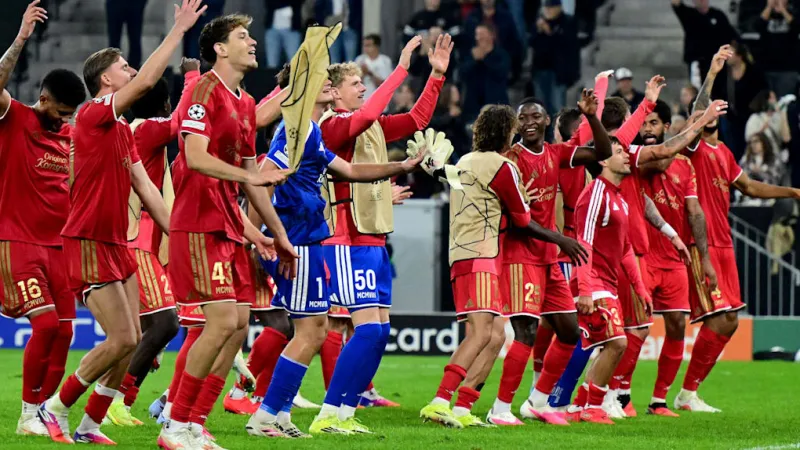
Nyon, Switzerland – The 2026 UEFA Champions League draw, conducted recently at the House of European Football, has officially unveiled the matchups for its groundbreaking new league phase. This pivotal event revealed a landscape rich with compelling underdog narratives, chief among them the astounding Miracle of Linz comeback from a three-goal deficit and the historic inclusion of a debutant club from Azerbaijan, setting the stage for a season brimming with potential upsets and unprecedented drama in Europe's most prestigious club competition.
This year marks a significant departure from the familiar group stage format, ushering in an expanded league phase designed to offer more high-stakes matches and diverse encounters. Under the new system, participating clubs will navigate a single league table, playing a series of matches against various opponents before advancing to a revamped knockout stage.
Among the standout storylines emerging from the draw is the so-called Miracle of Linz, referencing a team's improbable qualification after overcoming a substantial 0-3 first-leg deficit. This dramatic reversal captivated fans across the continent, serving as a testament to the unpredictable nature of football and providing an inspiring tale of resilience that now carries into the main competition.
Adding another layer of intrigue is the qualification of a club from Azerbaijan, marking a historic first for the nation in the Champions League proper. This achievement underscores UEFA's commitment to broadening the tournament's geographical reach and offering pathways for teams from emerging footballing regions to compete on the grandest European stage. The debutant club's journey will undoubtedly be closely watched as they face established continental powerhouses.
These Cinderella stories are anticipated to inject considerable excitement into the competition, potentially altering traditional power dynamics. The presence of such determined outsiders challenges the dominance of perennial favorites, creating a more open field where any team could conceivably mount a deep run, captivating global audiences and fostering new rivalries.
Beyond the immediate underdog narratives, the draw also produced a formidable array of matchups involving Europe's elite clubs, ensuring a series of high-caliber contests from the outset. While specific pairings remain under wraps pending official announcements, analysts project numerous clashes between continental giants, alongside intriguing encounters pitting established clubs against ambitious contenders from across the UEFA member associations.
The transition to a league phase represents a strategic overhaul aimed at maximizing competitive integrity and commercial appeal. This format guarantees each club more matches, increasing revenue opportunities and providing more consistent exposure to diverse playing styles, which will likely refine tactical approaches throughout the season.
“The new league phase is not just about more games; it is about elevating the competitive standard and embracing unpredictability,” stated UEFA President Aleksander Ceferin, speaking after the draw. “Stories like the Miracle of Linz and the Azerbaijani debutant are precisely what we envisioned – proof that hard work and strategic planning can disrupt the traditional order.”
The success of clubs from smaller leagues or those overcoming significant odds could significantly influence future UEFA financial fair play regulations and solidarity payments. Demonstrating that meritocracy can thrive even against considerable resource disparities might encourage further investment in grassroots development and infrastructure in lesser-known footballing nations.
Participation in the Champions League carries immense financial rewards, including broadcast revenue, prize money, and increased commercial opportunities. For smaller clubs, simply reaching the league phase represents a transformative economic boost, enabling investment in squad development, facilities, and youth academies, thereby fostering long-term growth.
The revamped format and the emergence of these unexpected contenders highlight an expanded landscape of opportunity. No longer confined to a limited pool of nations, the tournament now provides a more accessible platform for teams to showcase their talent and ambition, contributing to a more diversified and globally inclusive European football ecosystem.
This narrative of resilience and breakthrough is expected to resonate deeply with fans worldwide, drawing in new viewership and reigniting passion among existing supporters. The prospect of witnessing history in the making, whether through a sensational comeback or a national debut, elevates the overall fan experience and cements the Champions League status as a premier global sporting event.
As the countdown to the inaugural matches of the new league phase begins, anticipation builds for a season that promises both familiar brilliance and surprising new narratives. The 2026 Champions League draw has laid the foundation for what many predict will be one of the most exciting and unpredictable editions in the tournament's storied history.