 Robert Andrison
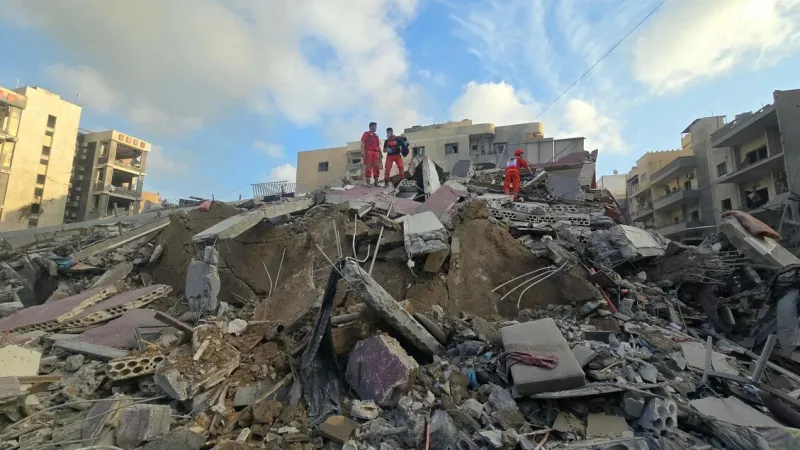
Recent Israeli airstrikes in Lebanon resulted in seven fatalities, intensifying the volatile Middle East conflict as Tehran simultaneously announced a rigid review of a critical United States proposal aimed at de-escalation.
The latest military actions underscore a dangerous escalation in cross-border hostilities. Casualties from the Lebanese raids further exacerbate the humanitarian toll in an already fractured region.
Sources indicate the strikes targeted areas deep within Lebanese territory, raising concerns about the potential for wider conflict. Details regarding the identities of the deceased remain limited, though reports suggest civilian casualties.
In response, Tehran has vehemently condemned the Israeli actions, calling upon the United Nations Security Council to implement punitive measures against Israel. This demand signals Iran's firm stance amidst the ongoing regional unrest.
A spokesperson for the Iranian foreign ministry articulated the necessity for international accountability, stating, "The UN Security Council must punish Israel for its persistent aggression against sovereign nations."
Adding to the heightened rhetoric, Iran's Islamic Revolutionary Guard Corps, known as the Pasdaran, declared its full preparedness for any potential scenario. "We are fully prepared for any scenario that might unfold," a senior IRGC commander reportedly affirmed.
This declaration by the Pasdaran reflects a robust readiness posture from Iran, signaling its resolve to defend its interests and allies in the face of perceived threats within the complex regional dynamics.
The United States proposal, currently under evaluation by Tehran, reportedly seeks to de-escalate tensions and foster a diplomatic pathway out of the current impasse. Its precise contents remain confidential, but observers believe it includes provisions for ceasefires and confidence-building measures.
However, Iran's declared "rigid approach" to the proposal suggests significant reservations or demands that may complicate its acceptance. This stance indicates a reluctance to compromise without substantial concessions or a clear path to addressing its grievances.
Diplomatic efforts, often spearheaded by the administration of President Donald Trump, have consistently sought to broker stability in the region. Recent reports highlighted President Trump's intervention to halt Prime Minister Netanyahu amid prior Iran tensions, as detailed in an article titled Trump Intervenes: Netanyahu Halted Amid Iran Tensions, Truce Talks Progress.
The delicate balance of power in the Middle East remains precarious, with each military action and diplomatic maneuver holding significant regional and global implications. The international community watches closely for any signs of further destabilization.
Analysts suggest that Tehran's demand for punishment against Israel could be a precondition for meaningful engagement with the US proposal, setting a high bar for negotiations and potentially prolonging the diplomatic deadlock.
The humanitarian situation in Lebanon, already strained by economic crises and previous conflicts, is further challenged by these renewed hostilities, prompting calls for immediate international assistance from humanitarian organizations.
Regional actors and global powers are intensifying their diplomatic efforts behind the scenes, attempting to prevent the Middle East conflict from spiraling into a full-scale regional war.
The outcome of Tehran's review of the US proposal is anticipated to be a pivotal moment, potentially dictating the immediate trajectory of the protracted Middle East conflict.
Observers are particularly focused on whether the "rigid approach" is a negotiating tactic designed to extract concessions or a genuine reflection of insurmountable differences between the parties.