Angela Stefani
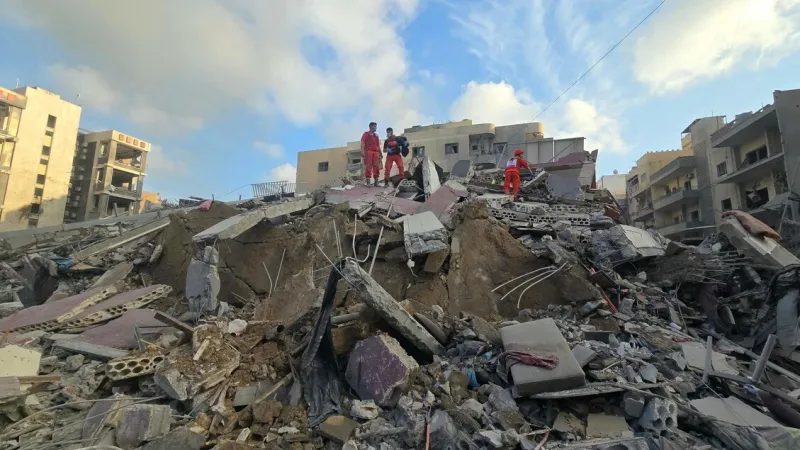
WASHINGTON – President Donald Trump has reportedly intervened to de-escalate burgeoning tensions in the Middle East, compelling Israeli Prime Minister Benjamin Netanyahu to halt further threats against Iran as a broader regional agreement is anticipated next week. This diplomatic push unfolds even as the Lebanese militant group Hezbollah signaled its acceptance of a truce, a development immediately overshadowed by the Israel Defense Forces interception of rockets launched from southern Lebanon.
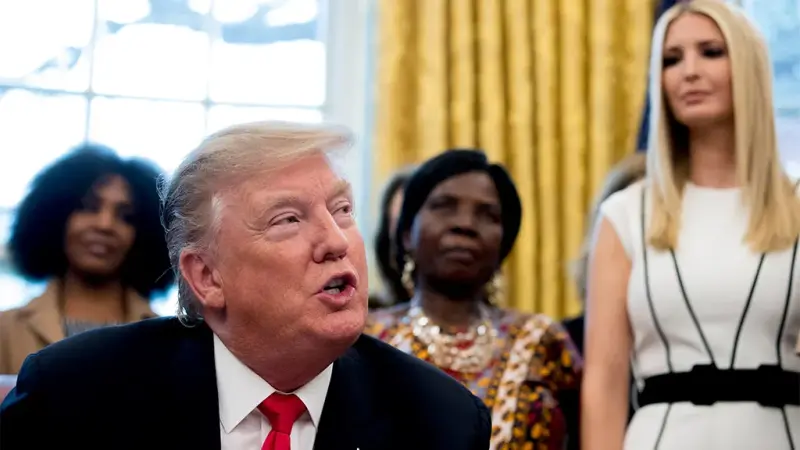
Sources familiar with the discussions indicate President Trump directly communicated with Prime Minister Netanyahu, underscoring the imperative for restraint amidst a volatile regional climate. The US administration aims to facilitate comprehensive discussions expected to culminate in significant accords within the coming days, seeking to stabilize the precarious security landscape.
The reported intervention by President Trump follows a period of heightened rhetoric and covert operations, which have fueled fears of wider conflict across the Middle East. Netanyahu's recent pronouncements regarding Iran had amplified regional anxiety, prompting calls for international mediation.
Concurrently, a spokesperson for Hezbollah confirmed the group's provisional agreement to a ceasefire. This declaration, if fully observed, could mark a crucial step towards reducing cross-border hostilities that have plagued the Israeli-Lebanese frontier for months.
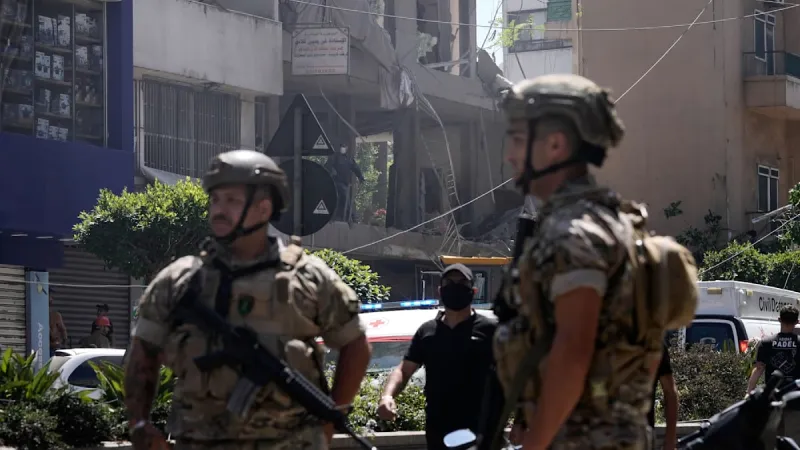
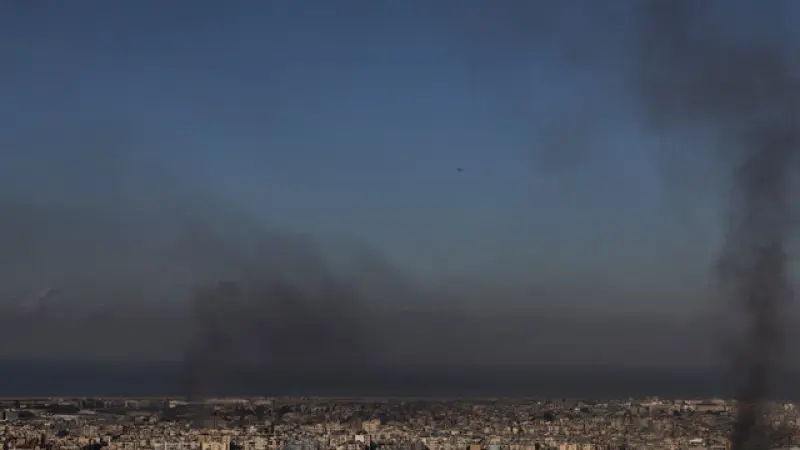
However, the fragile nature of this potential truce was starkly illustrated by events unfolding hours after Hezbollah's announcement. The IDF reported successfully intercepting multiple rockets fired from Lebanese territory targeting northern Israel, preventing casualties but highlighting persistent security challenges.
The IDF stated that its Iron Dome defense system intercepted all incoming projectiles, and retaliatory strikes were conducted against the source of the launches in southern Lebanon. These exchanges underscore the deep-seated mistrust and active conflict that peace initiatives must navigate.
Diplomatic observers suggest that the upcoming agreements, alluded to by President Trump, likely encompass a multifaceted approach to regional security. These could include protocols for border security, mechanisms for de-escalation, and renewed commitments from various parties to abide by international norms.
The involvement of President Trump in direct negotiations with key Middle East leaders reflects a sustained effort by the United States to prevent further destabilization in a region critical to global energy markets and security. Past efforts to mediate such complex disputes have often faced significant hurdles.
The broader context involves persistent friction between Israel and Iran, often playing out through proxies such as Hezbollah. The latter, an Iranian-backed group, wields significant political and military influence in Lebanon, making its participation vital for any sustainable truce along the northern Israeli border.
As the international community watches closely, the success of these anticipated agreements hinges on the willingness of all parties to adhere to their terms and to prioritize long-term stability over short-term retaliatory actions. The intricate web of alliances and animosities makes any breakthrough a delicate achievement.
The prospect of formal agreements next week offers a glimmer of hope for a region perpetually on edge. Yet, the recent rocket fire serves as a stark reminder of the challenges that remain in establishing a durable peace in the Middle East. Trump Halts Netanyahu on Beirut, Iran Threatens Global Negotiations Blockade provides additional context on previous diplomatic efforts.
The delicate dance of diplomacy continues, with the US playing a pivotal role in attempting to steer regional actors away from direct military confrontation. The immediate priority remains securing verifiable commitments that can withstand the volatile operational realities on the ground.
Security analysts caution that even with high-level interventions, the deeply entrenched grievances and strategic objectives of various state and non-state actors will continue to test the limits of any negotiated settlement. The path to lasting peace is rarely linear.
The Middle East remains a geopolitical crucible, where every diplomatic overture is met with skepticism and every security incident threatens to unravel progress. The coming week's developments will be instrumental in determining the immediate trajectory of the region.
This situation requires continuous vigilance from all global stakeholders. The international community consistently advocates for dialogue and de-escalation, recognizing that an open conflict in the Middle East carries far-reaching consequences beyond its immediate borders.
The intricate dynamics of regional power plays, coupled with the domestic political considerations of leaders like Netanyahu, add layers of complexity to any peace process. Trump's involvement underscores the critical juncture at which the region currently stands.
Ultimately, the efficacy of the anticipated agreements will be measured by their ability to foster a sustained cessation of hostilities and to lay groundwork for more substantive resolutions to core conflicts. The aspirations for peace are high, but so are the obstacles.