 Dodi Irawan
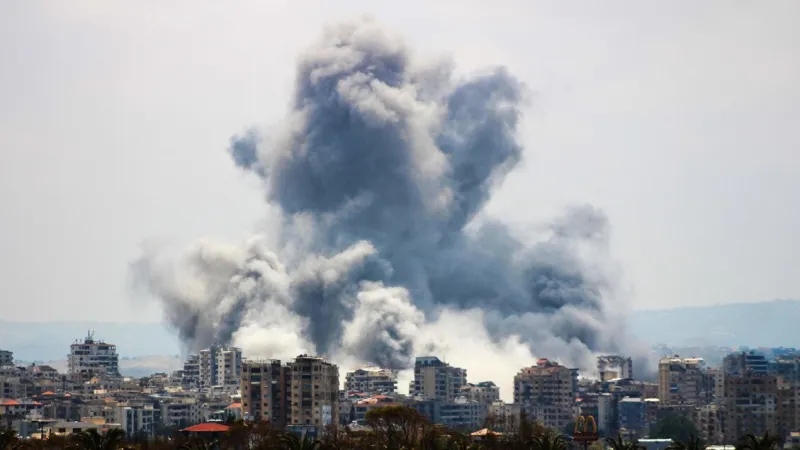
Washington, D.C. — President Donald Trump intervened directly today to avert a potential military escalation in Beirut, Lebanon, reportedly halting Israeli Premier Benjamin Netanyahu from an anticipated offensive. Simultaneously, Tehran issued a stark warning, threatening to block international negotiations if the regional tensions were to further intensify, underscoring the volatile geopolitical landscape.
The dramatic intervention by President Trump follows a period of heightened rhetoric and sporadic cross-border exchanges between Israel and the Iran-backed Hezbollah militant group operating from Lebanon. Sources within the White House indicated that the President engaged in direct communication with all principal parties to de-escalate the immediate threat.
"I also heard Hezbollah, they will stop," President Trump stated, according to reports, indicating a significant diplomatic breakthrough in calming the immediate confrontation. This assertion points to a rare direct channel of communication or mediation involving the United States and the powerful Lebanese group.
Premier Netanyahu, while reportedly acceding to President Trump's request, maintained a firm stance on Israel's security. "If they attack us we will hit, forward south," Netanyahu declared, reiterating Israel's readiness to retaliate forcefully against any perceived threats emanating from its northern border.
Concurrently, Iran escalated its diplomatic pressure. Official statements from Tehran signaled that the Islamic Republic might cease its participation in ongoing international talks, including those related to its nuclear program, should the situation in Lebanon deteriorate further. This move links regional security to broader global diplomatic efforts.
The Iranian threat to block negotiations represents a significant development. Analysts suggest this strategy aims to leverage Iran's position in ongoing multilateral discussions, potentially including those concerning the Strait of Hormuz, as a bargaining chip against Israeli military actions in Lebanon. This echoes previous warnings, as seen in an article on Iran Halts US Talks Amid Lebanon Escalation; Threatens Hormuz Closure.
The US President's proactive diplomacy follows an earlier announcement regarding an agreement between Israel and Hezbollah to de-escalate the conflict, a development also reported in Trump: Israel, Hezbollah Agree to De-escalate Lebanon Conflict. These efforts highlight a sustained push by Washington to prevent a full-blown regional conflict.
Hezbollah, a formidable non-state actor with significant military capabilities and political influence in Lebanon, has historically engaged in conflicts with Israel. Its alleged agreement to cease hostilities, as communicated by President Trump, suggests a temporary success for US mediation.
The interconnectedness of the Middle East conflict spheres means that an escalation in one area, such as the Israel-Lebanon border, can have profound ripple effects. Iran, a key supporter of Hezbollah, views the group as a critical component of its regional deterrence strategy against Israel and the US.
International observers have long expressed concern over the potential for a miscalculation to spark a wider conflagration. The diplomatic maneuvers by President Trump aim to manage these flashpoints and maintain a fragile semblance of stability.
The current climate of tension also brings into focus the complex dynamics of regional alliances and rivalries. Saudi Arabia and other Gulf states closely monitor the situation, wary of any developments that could destabilize the broader Persian Gulf region.
While President Trump's intervention appears to have temporarily de-escalated the immediate threat of an Israeli offensive, the underlying grievances and strategic calculations of all parties remain potent. The path to lasting peace in the region is fraught with challenges.
Iran's linkage of regional security to its participation in global negotiations demonstrates its intent to exert maximum pressure. The effectiveness of this strategy will depend on the resolve of international powers and the evolving situation on the ground.
The coming days will be critical in observing whether the fragile ceasefire holds and if Iran retracts its threat regarding international talks. The world watches cautiously as diplomacy continues to navigate the complex geopolitical currents of the Middle East.