 Dorry Archiles
WASHINGTON — The Trump administration today unveiled a sweeping new immigration policy that will compel many foreign nationals residing in the United States to depart the country and apply for their green cards from abroad, effectively ending a long-standing pathway to permanent residency for a significant demographic. The move, announced by the Department of Homeland Security, signals a dramatic shift towards stricter immigration enforcement and processing.
This policy change represents a fundamental alteration of the adjustment of status process, which has traditionally allowed eligible individuals already present in the U.S. to apply for lawful permanent resident status without leaving the country. Under the forthcoming regulations, certain categories of applicants, yet to be fully specified but expected to include those on various non-immigrant visas, will now face mandatory consular processing overseas.
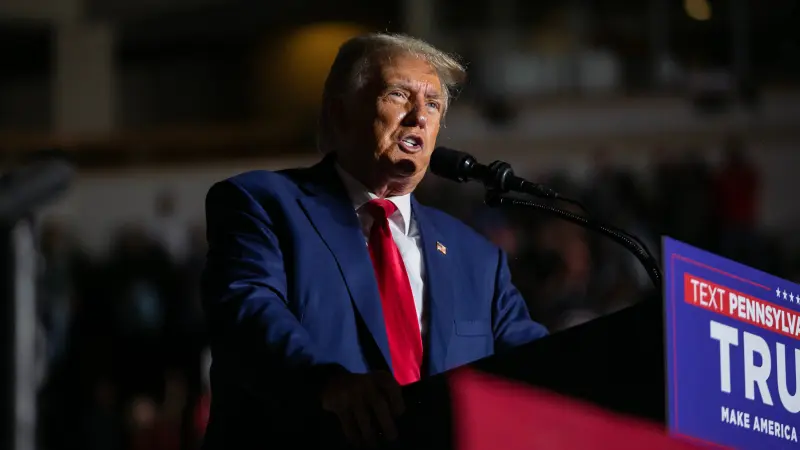
President Donald Trump has consistently advocated for policies he asserts prioritize national security and streamline immigration systems. This latest directive aligns with his administration's broader agenda to tighten borders and ensure what he terms "orderly and legal" immigration. Critics, however, argue the measure will create immense hardship and logistical nightmares for families and employers.
Immigration advocates immediately condemned the proposal, asserting it will separate families and create bureaucratic delays stretching for years. Eleanor Vance, director of the Immigrant Rights Coalition, stated, "This policy is an unprecedented attack on legal immigration pathways, forcing individuals with deep ties to American communities into an impossible choice: uproot their lives or abandon their pursuit of residency."
A senior official within the Department of Homeland Security, speaking on background, emphasized the administration's commitment to "restoring integrity" to the immigration system. "We are ensuring that all applicants follow established procedures and that our national security interests are paramount," the official remarked, suggesting the current system allows for vulnerabilities.
The specifics of which foreign nationals will be most impacted remain under review, but experts anticipate significant effects on those pursuing employment-based green cards, family-sponsored visas, and potentially even some asylum seekers whose cases are adjudicated favorably. The logistical challenges for U.S. consulates abroad, already facing backlogs, are also a major concern.
Historically, the ability to adjust status domestically has been a cornerstone of American immigration law, offering stability and reducing the financial burden and risks associated with international travel for eligible applicants. This shift marks a notable departure from decades of precedent, harkening back to a more restrictive era of immigration processing.
Businesses reliant on foreign talent, particularly in the technology and healthcare sectors, expressed apprehension. A spokesperson for the U.S. Chamber of Commerce indicated the policy could "severely disrupt workforce planning and deter skilled professionals from contributing to the American economy." They called for clear guidelines and consideration of economic impacts.
Legal challenges are expected swiftly. Civil liberties organizations are preparing lawsuits, arguing the policy could infringe upon due process rights and disproportionately affect certain immigrant communities. The battle is likely to unfold in federal courts across the nation, potentially tying up implementation for months or even years.
The exact implementation timeline for the new policy remains unclear, though administration officials indicated a phased approach following a public comment period. The regulatory process could face significant opposition from advocacy groups and certain congressional factions.
This move by the Trump administration to force foreigners in the U.S. to apply for a green card abroad is seen by many as a powerful statement ahead of the upcoming midterm elections, reinforcing the President's hardline stance on immigration. It sets the stage for a contentious debate over the future direction of American immigration policy.
The global implications of such a policy are also substantial, as other nations observe how the United States manages its borders and legal immigration pathways. International partners and human rights organizations are expected to scrutinize the policy's effects on human mobility and rights.